
The framework draws on conservation law, Florida Department of Revenue assessment guidelines, and practitioner-level multiple listing service (MLS) transaction data for Jupiter's waterfront and club community properties. Rather than a property-level MLS analysis, it makes the investment case for why this market behaves the way it does. The gap between Jupiter and the rest of South Florida is likely to widen, not narrow, over the next two decades.
The Supply Constraint
Jupiter's value proposition goes beyond constrained supply. The constraints protect something specific: the daily quality of life that luxury buyers are actually paying for. Low density, unobstructed views, minimal traffic, proximity to preserved natural landscapes, and insulation from the urban development pressures reshaping the rest of South Florida. These protections were established decades before the current demand cycle. They are not going away. And as population growth and development continue to erode quality of life in less protected markets, Jupiter's structural advantages become more valuable, not less.
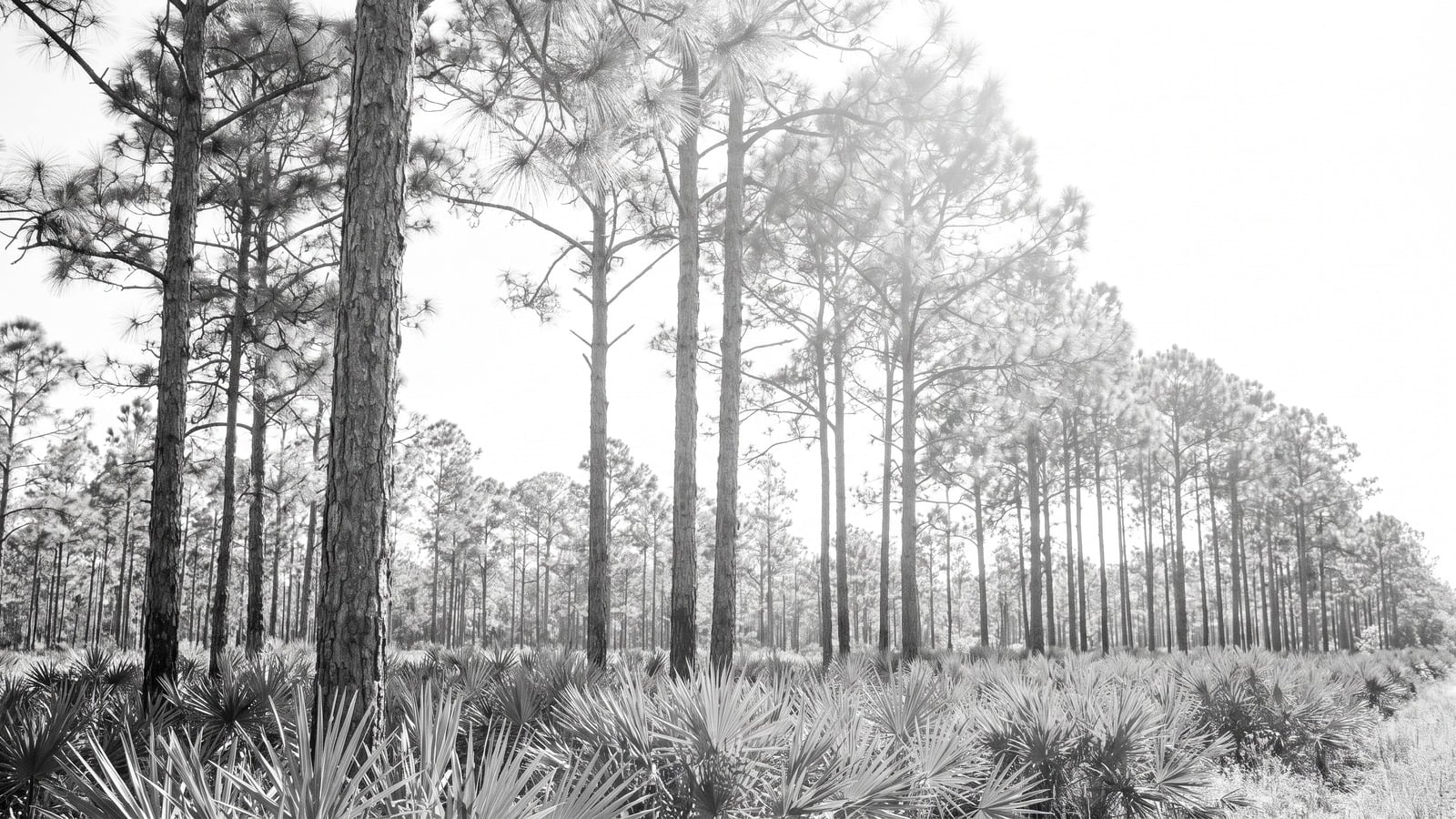
Jonathan Dickinson State Park alone protects over 11,500 acres of pine flatwoods, mangroves, and river corridor directly adjacent to Jupiter's residential communities. The Loxahatchee River's Wild & Scenic designation, established in 1985, placed significant portions of Jupiter's inland waterway permanently beyond the reach of development. Add the conservation easements through the Tequesta and Jupiter Inlet jurisdictions, the Hobe Sound National Wildlife Refuge, and Atlantic coast Army Corps setback requirements. Tens of thousands of acres surrounding Jupiter are legally undevelopable. There is no new land to build on. Northern Palm Beach County has added no net new ocean-access waterfront lots in that entire period.
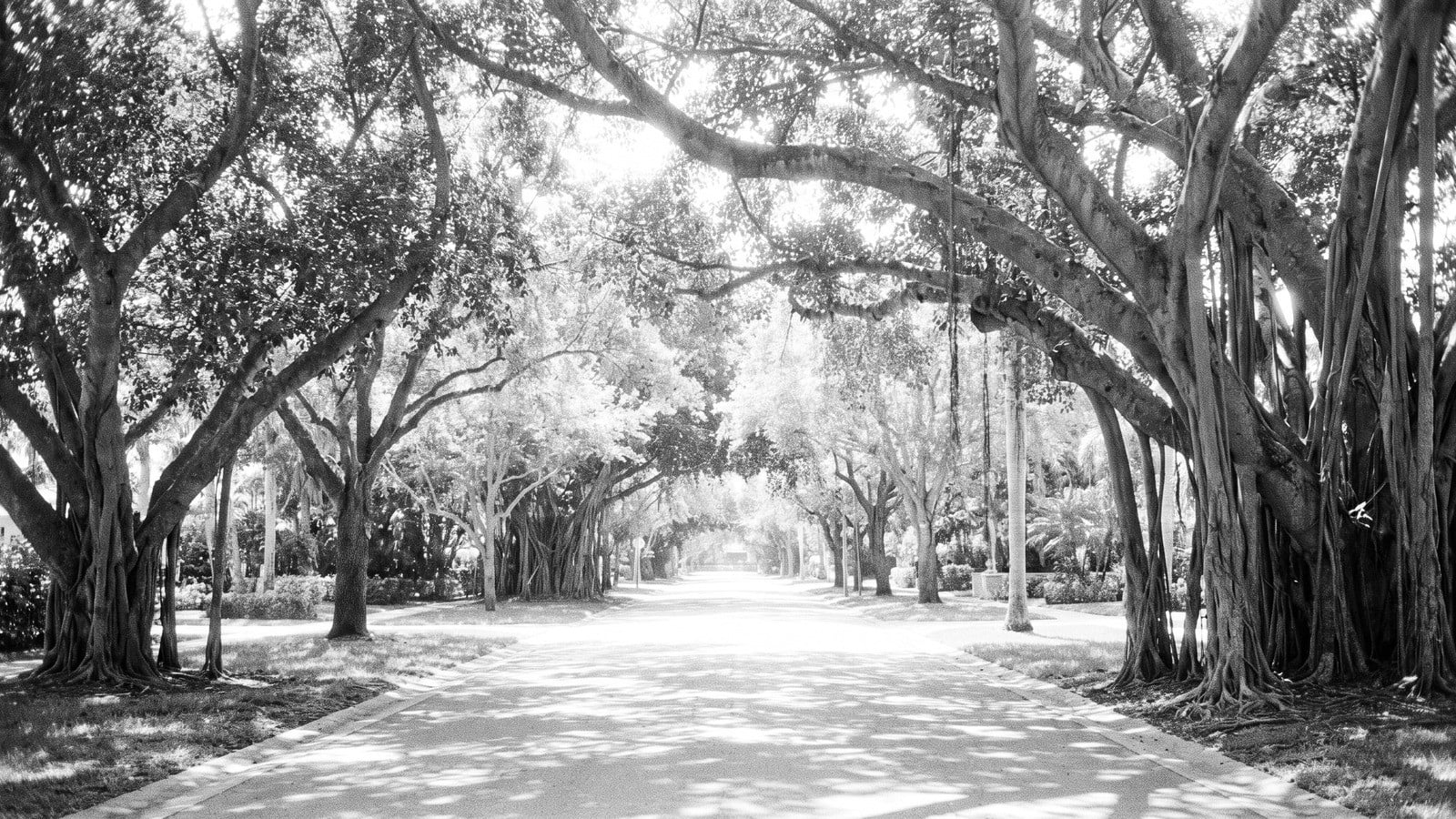
For the buyer, this translates into something more tangible than a supply chart. It means no highrise will break your waterfront sightline. No commercial corridor will generate cut-through traffic on your street. No rezoning decision will change the character of the land adjacent to your property. Jupiter is low-density by design. The conservation overlays, the river preserve, and the local planning culture have produced a community where nature is not a backdrop but the dominant feature of daily life. State parks and wildlife corridors sit within minutes of front doors. The Intracoastal is clean, quiet, and largely undeveloped along its banks. The things that degrade quality of life in other South Florida markets (density, congestion, overdevelopment, loss of green space) are structurally prevented here.
Fast forward ten or twenty years and the distinction sharpens. As population growth puts pressure on less protected markets across South Florida, the communities that failed to plan for preservation will feel it. The cost shows up in traffic, density, and erosion of the qualities that attracted buyers in the first place. Jupiter's protections are already in place. The gap in quality of life between Jupiter and the rest of the region is more likely to widen than narrow, and that gap is what ultimately supports long-term value.
Within that protected landscape, the upper tier of the market (direct Intracoastal frontage, short-run ocean-access properties, and premier club communities) represents a subset of already-scarce supply. The Bears Club, Lost Tree Village, and the Inlet Colony waterfront corridor contain a finite number of lots, none replicable by new construction.
Supply Ceiling: What the Designations Prohibit. Wild & Scenic designation on the Loxahatchee prohibits dredging, fill, and commercial development along the designated corridor. Jonathan Dickinson State Park's boundary prevents any conversion of its 11,500 acres to residential use. The Hobe Sound National Wildlife Refuge adds another 1,035 acres of protected coastal habitat. Army Corps setback requirements eliminate oceanfront lot creation along Jupiter's Atlantic coast. The combined effect is a trophy-tier waterfront inventory (direct Intracoastal frontage and short ocean-access) that has not grown since designation and cannot grow under current federal and state law.
Policy Architecture
Save Our Homes, portability, zero state income tax, and zero state estate tax are Florida-wide benefits. They apply equally in Jupiter, Palm Beach, and Miami. What makes them especially powerful in Jupiter is the asset they compound on top of. In a structurally constrained market where quality of life is permanently protected, the tax framework amplifies an already strong hold case rather than compensating for a weaker one.
The mechanics matter for execution. A buyer who purchases a $10 million Jupiter property and holds for ten years while the market appreciates at 8% annually will see market value reach approximately $21.6 million. Save Our Homes caps assessed value growth at no more than 3% per year, producing a taxable value roughly $8 million below market by year ten. At Palm Beach County's approximate combined millage rate of 18 mills, that gap generates six-figure annual tax savings that compound over the hold.
The operationally critical date is March 1. Florida's homestead exemption applies to the tax year in which the owner establishes primary residence before that date. A buyer who closes in November but misses the March 1 filing loses that full tax year's cap protection. Florida residency runs through four documented steps: Declaration of Domicile, a Florida driver's license, voter registration, and homestead filing. Each is administratively routine. The March 1 deadline is not.
Tax calculations above are illustrative, based on Florida Department of Revenue assessment guidelines and Palm Beach County millage rates. They are not tax advice. Consult a licensed CPA and Florida-qualified tax counsel before making residency or acquisition decisions.
Buyer Intelligence
Upper-decile Jupiter waterfront transactions behave differently from the broad single-family market. Direct Intracoastal and short ocean-access properties carried average days-on-market above 90 in 2024-25, with cash transactions representing the substantial majority of closes at this tier, per MLS practitioner data. Sale-to-list ratios at this tier diverge from the county average and are not predictable from municipal medians. The four principles below reflect how the most deliberate buyers in this segment have structured their approach.
Direct Intracoastal frontage, short-run ocean access (inlet proximity under ten minutes by water), and premier club communities with conserved surroundings represent the permanent scarcity tier. Conservation designations and preserve easements fix this supply. The Bears Club, Lost Tree Village, and the Inlet Colony waterfront corridor contain a finite number of lots, none replicable by new construction. Evaluate access type and conservation adjacency before price per square foot. Municipal medians do not describe this tier. Tier-specific closed comparable sales do.
At the upper tier, sellers evaluate certainty of close alongside price. Cash positions with complete documentation, early insurance indications (critical in the current Florida market), and flexible occupancy timelines have closed ahead of higher offers with contingencies. A complete file is a competitive differentiator. Treat the pre-offer preparation process as part of the negotiation itself.
Florida's insurance market has changed materially since 2021. Pre-1980 structures, flat roofs, and properties outside the Insurance Institute for Business and Home Safety (IBHS) FORTIFIED certification can face carrier eligibility issues that are not apparent until late in due diligence. Obtain a preliminary insurance indication before submitting an offer on any property built prior to 2000. Surprises at this stage cost time, leverage, and occasionally the transaction.
Jupiter's restrained planning culture and conservation overlays reward hold-through-cycle discipline, and the reward is not just financial. The longer you hold, the more the quality-of-life gap widens between Jupiter and less protected markets across South Florida. Save Our Homes compounds the tax advantage on the same timeline. The buyers who have performed best here treated the acquisition as a long-horizon position, buying access and preservation rather than momentum.
Market Comparison
Jupiter occupies a distinct position relative to the two most common alternatives. The table below describes what each market optimizes for, rather than ranking them, so buyers can evaluate fit against their own criteria.
Palm Beach Island and Jupiter share structural scarcity as the core value driver. The difference is asset type, buyer profile, and daily operating environment. Miami's value case rests on liquidity, scale, and event-driven demand. It performs differently through cycles as a result. Each is a reasonable answer to a different question.
Bottom Line
Jupiter's investment case rests less on tax savings or supply scarcity in isolation than on what those forces protect: a quality of daily life structurally insulated from the development pressures reshaping the rest of South Florida. The views, the quiet, the low density, the open water, and the proximity to preserved natural landscapes are locked in by conservation law and planning culture, and they do not fluctuate with the market. The early buy-in period may be behind us. Given the macro forces driving population growth into South Florida and the structural protections already in place, the long-term hold case in Jupiter is still early. Save Our Homes compounds the financial advantage on exactly that timeline.
For buyers relocating from dense metro markets: Jupiter is designed to stay the way it is. The conservation overlays that prevent highrises, commercial encroachment, and density increases are federal and state designations, not local zoning decisions that can be reversed. What you see today is what you will see in twenty years.
For buyers underwriting a long-term hold: The quality-of-life gap between Jupiter and less protected South Florida markets is widening, not narrowing. Population growth puts pressure on communities that failed to plan for preservation. Jupiter already has the protections in place. Save Our Homes compounds the tax advantage on exactly that timeline, and the March 1 homestead filing date is the one deadline that matters for execution.
For buyers comparing Jupiter to Palm Beach Island and Miami: All three benefit from the same Florida tax framework. The difference is what that framework compounds on top of. In Jupiter, it compounds on permanently protected low-density waterfront in a market that cannot add supply. That is the structural distinction.
Upper-decile market characterizations: References to cash share, days-on-market, and sale-to-list behavior at the upper tier reflect practitioner observation across BeachesMLS closed data for Jupiter waterfront and club community properties. These are directional characterizations, not a formal statistical extract. Tier-specific figures vary by submarket and period and should not be applied to individual property underwriting without direct MLS comp analysis.
Scope: This report is an investment framework, not a property-level MLS statistical analysis. Market characterizations draw on BeachesMLS transaction data for general reference. They do not constitute a formal MLS data extract for this report.
Tax illustrations: All tax figures are illustrative. The $10M scenario uses a purchase price of $10,000,000, an 8% annual appreciation rate, a Save Our Homes cap of 3%, and Palm Beach County's approximate combined millage rate of 18 mills (0.018). Actual millage rates vary by municipality and year. The calculation excludes the $50,000 homestead exemption, which would further reduce assessed value. These figures are not tax advice.
Market characterizations: "Upper tier," "trophy segment," and "premier club communities" are qualitative characterizations based on practitioner knowledge, not formally defined statistical cohorts. Sale-to-list and median figures cited for the Jupiter market reflect broad single-family data and should not be applied directly to trophy-tier transactions without tier-specific comp review.
Conservation designations: Loxahatchee River Wild & Scenic designation established under the National Wild and Scenic Rivers Act (North Fork). Jonathan Dickinson State Park boundary and conservation easement data are publicly available through the Florida Department of Environmental Protection and Palm Beach County Property Appraiser.
Insurance guidance: Insurance market characterizations reflect general practitioner knowledge as of early 2026. Florida's insurance market is dynamic. Buyers should obtain independent insurance counsel and current carrier eligibility assessments for any specific property.
BeachesMLS: Transaction data for Jupiter and northern Palm Beach County single-family residential. Used for general market characterizations (median range, sale-to-list posture, supply description). Not a formal statistical extract for this report.
Palm Beach County Property Appraiser: Assessment methodology, millage rate data, and Save Our Homes cap application. Publicly available at pbcgov.com/papa.
Florida Department of Revenue: Save Our Homes cap provisions, portability mechanics, and homestead exemption definitions. Published at floridarevenue.com.
National Wild and Scenic Rivers System: Loxahatchee River (North Fork) designation documentation. rivers.gov/rivers/loxahatchee.
Florida Department of Environmental Protection: Jonathan Dickinson State Park boundary data and conservation easement registry. floridadep.gov.