 Contact Contact
Palm Beach County
Oceanfront towers, Intracoastal high-rises, and boutique buildings from Jupiter Island to Boca Raton, each with a distinct ownership profile and price point.
30 Luxury Buildings
Filter by location, waterfront type, or building to find your residence.
No buildings match these filters.
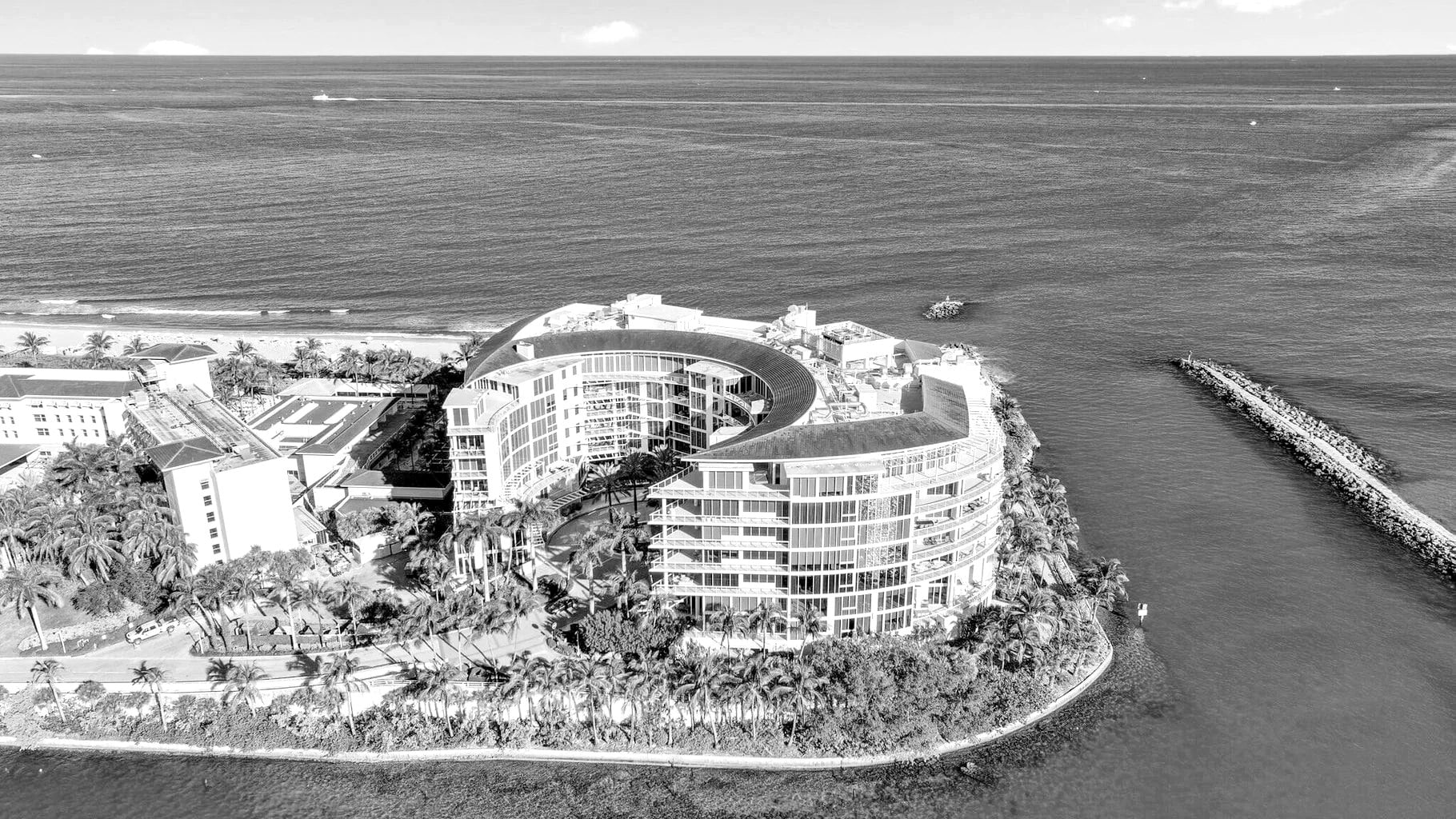
Boca Raton
Positioned on the Boca Raton Inlet with ocean and Intracoastal frontage. Optional Waldorf Astoria resort membership and full-service building operations.
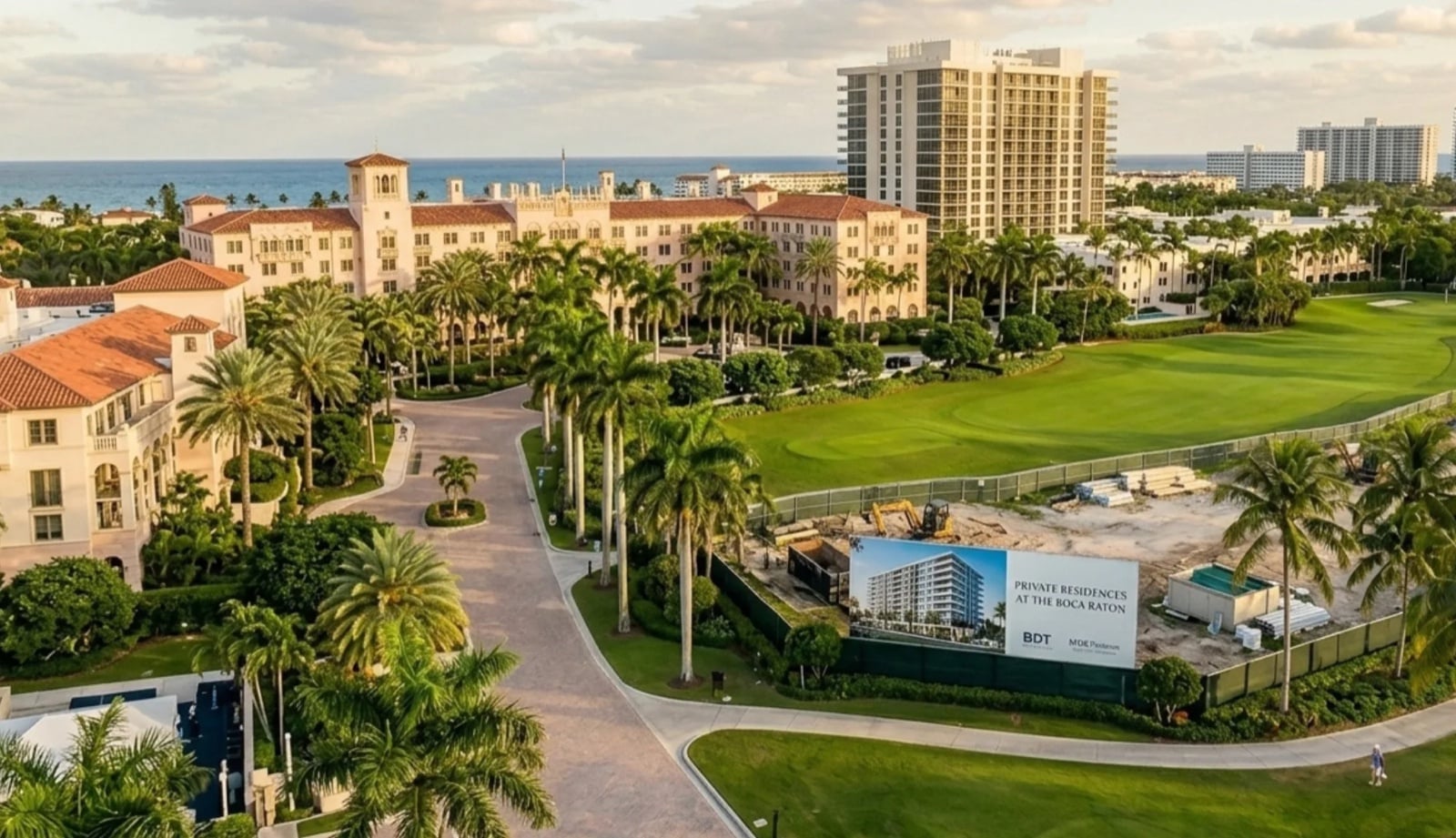
Boca Raton
Private residences inside the resort's hundred year grounds, built by its owner with hotel service and beach club access. Eight stories facing Lake Boca.

Boca Raton
Hotel-branded residences with Mandarin Oriental five-star management. Steps from Mizner Park in Boca Raton, with floor plans ranging to 8,800 SF.

Boca Raton
Three contemporary towers walkable to Mizner Park, with rooftop pool and full-service amenities. Additional phases currently under development.
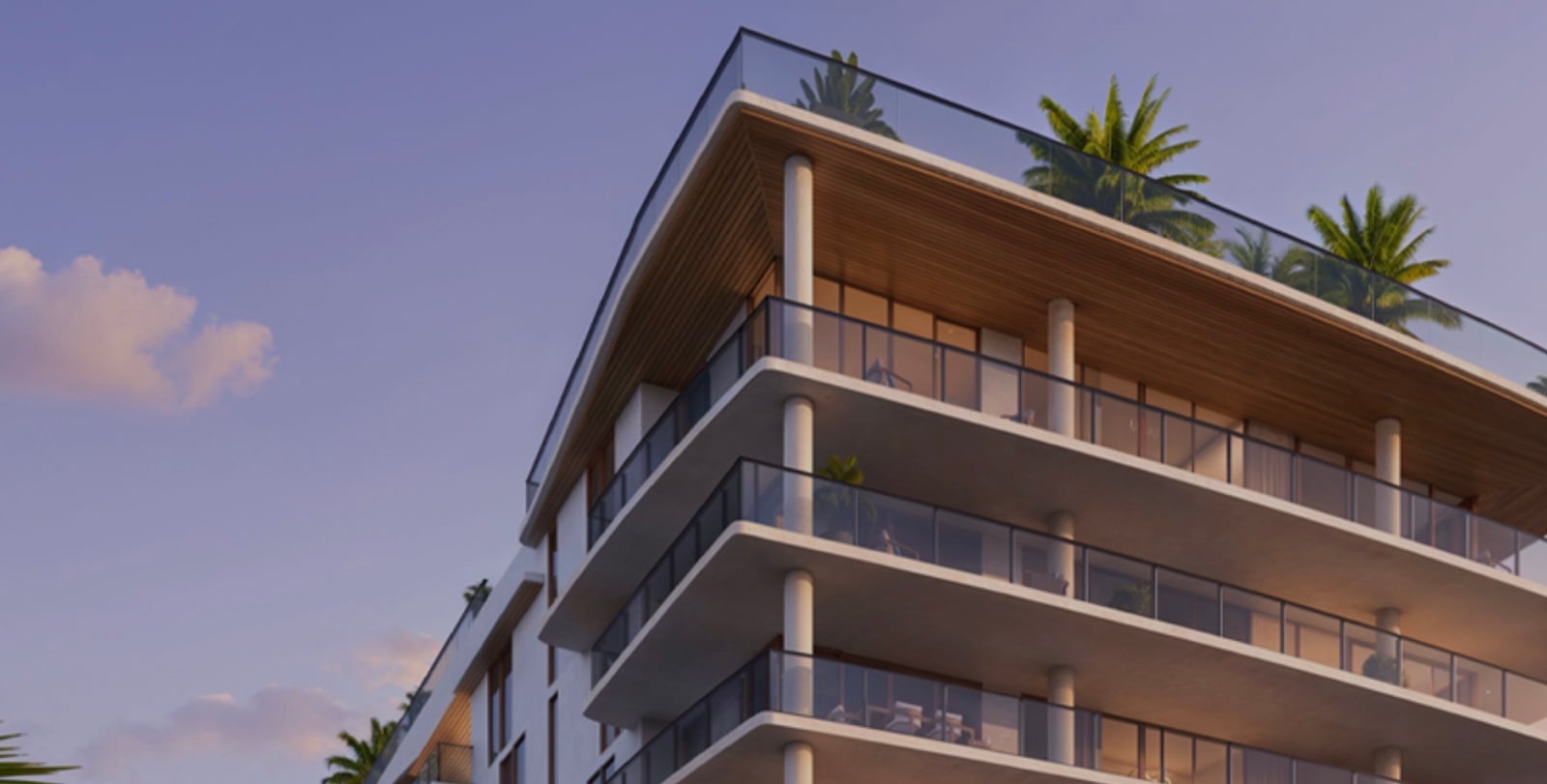
Boca Raton
An all glass facade on East Palmetto Park Road downtown, with a rooftop amenity level looking to the ocean and the Intracoastal.

Palm Beach
Among the barrier island's newest oceanfront buildings, completed 2019. Sawtooth footprint for ocean and Intracoastal views, interiors by Champalimaud.

Palm Beach
Oceanfront on the south end with the island's most generous floor plans. A renovated multi-level beach deck under the signature orange umbrellas.

Palm Beach
Ocean-to-Intracoastal living where the island narrows. Gatehouse plus doormen around the clock, and clubhouses at both the pool and the beach.

Palm Beach
Oceanfront on 400 feet of private Palm Beach beachfront. Low density, private elevator entry and ceilings from 10 to 11 feet.

Palm Beach
Oceanfront on eight private acres of South Ocean Boulevard in Palm Beach. Among the largest floor plans on this stretch, with a strict no-rental policy.

Palm Beach
Eugene Lawrence modernism at Sloan's Curve, with wraparound balconies reading ocean, lake and golf. Six Har-Tru courts inside the gate.

Palm Beach
Four oceanfront buildings on South Ocean Boulevard in Palm Beach. Private beach access in a campus-style setting.

West Palm Beach
Intracoastal waterfront on South Flagler Drive completed in 2022. Full-service amenities and walkability to downtown West Palm Beach.

Palm Beach
Oceanfront where Worth Avenue meets the sand, the avenue's shops out the lobby. Direct beach access, pool and guarded 24-hour security.

Palm Beach
The corner where Worth Avenue meets the ocean, with a private tunnel to the sand. Rooftop sundeck, heated pool and full service.
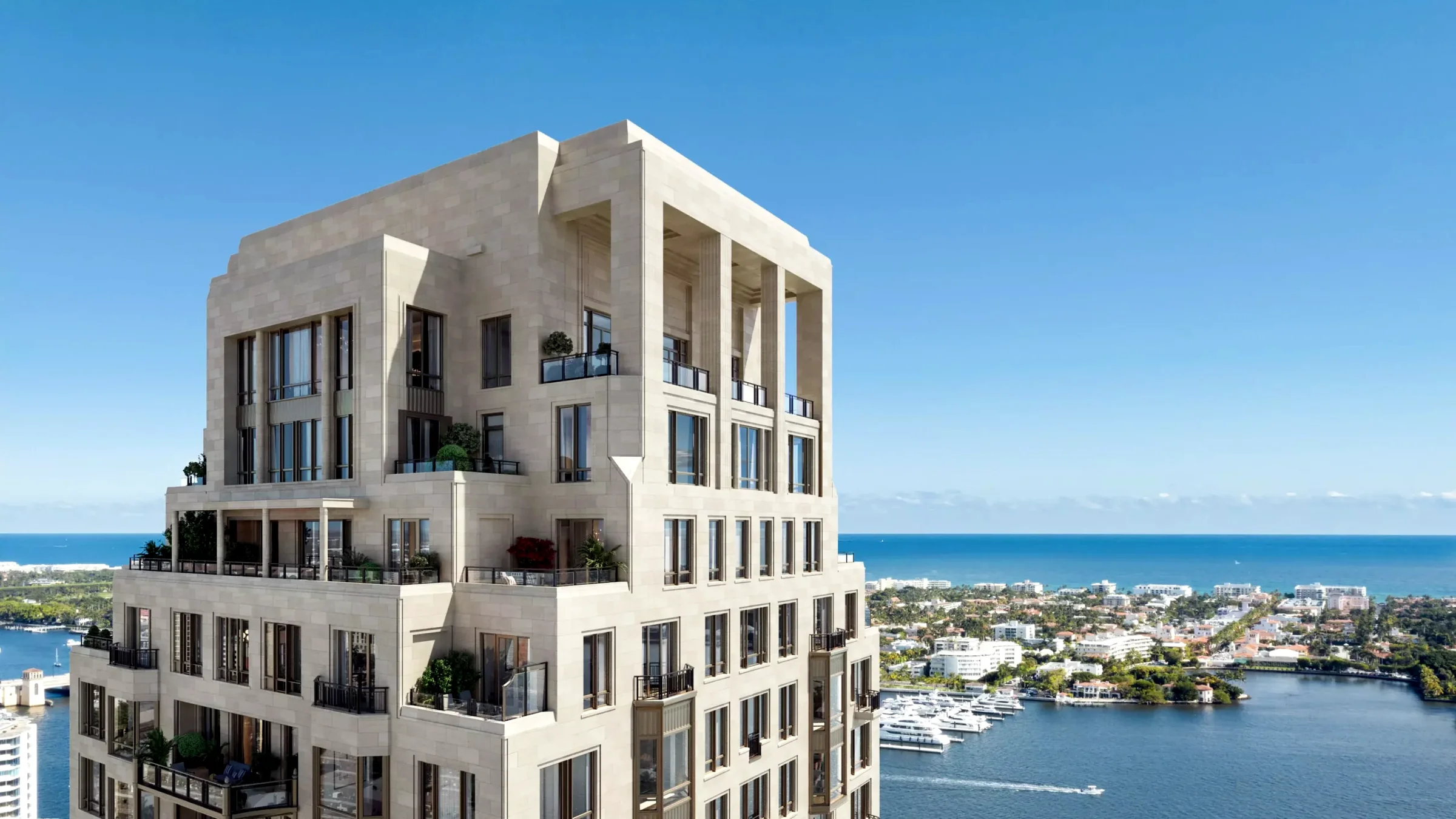
West Palm Beach
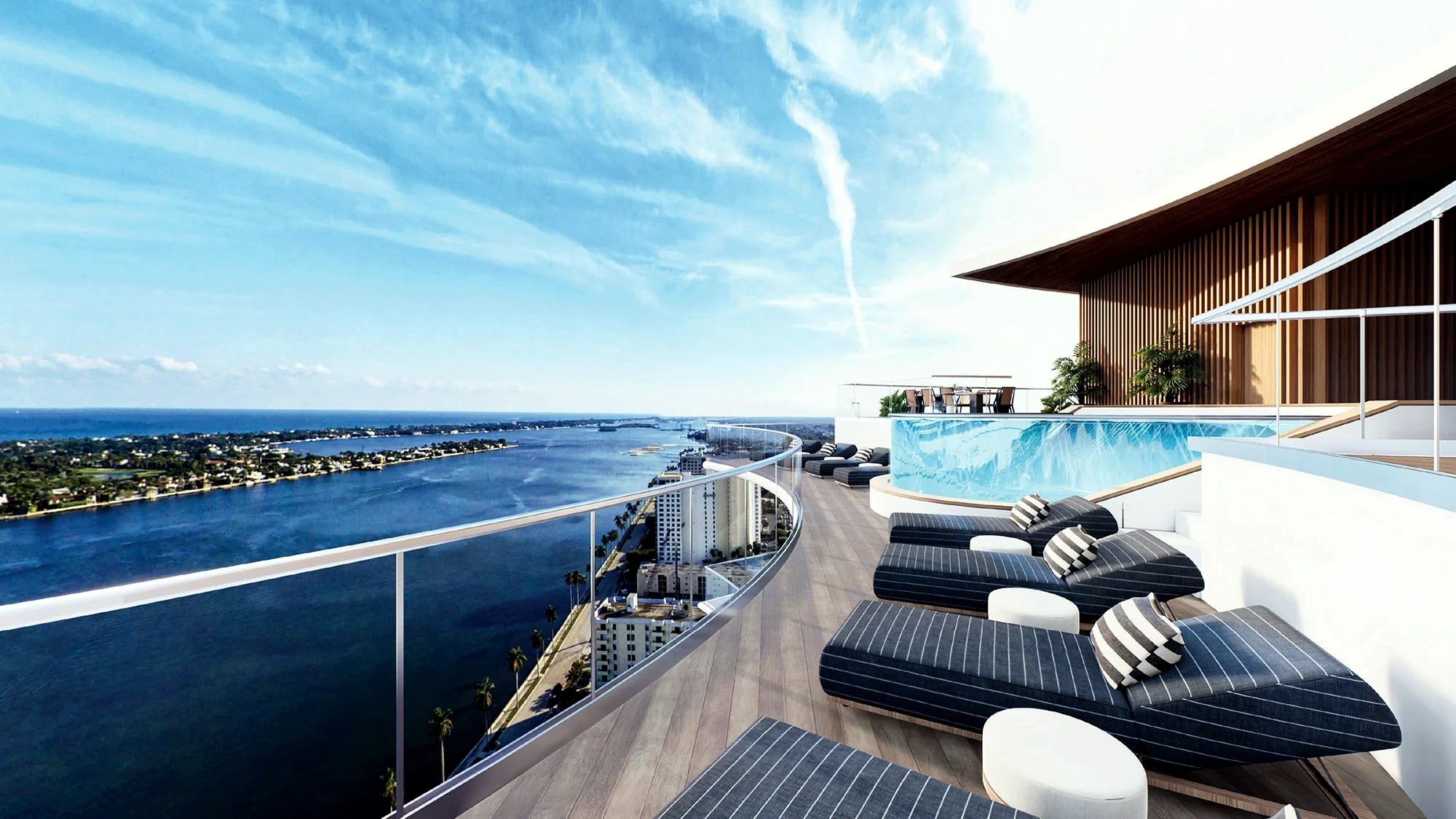
Robert A.M. Stern Architects' first Florida high-rise. Twin towers by Related Ross on South Flagler Drive with 50,000 SF of private club amenities.
West Palm Beach
Completed ultra-luxury on South Flagler Drive. Two residences per floor, interiors by Jean-Louis Deniot. Developer sold out; resales available.

Palm Beach
Edward Durell Stone's courtyard landmark of duplex residences near Worth Avenue. The county's first condominium, with the town's first rooftop pool.
West Palm Beach
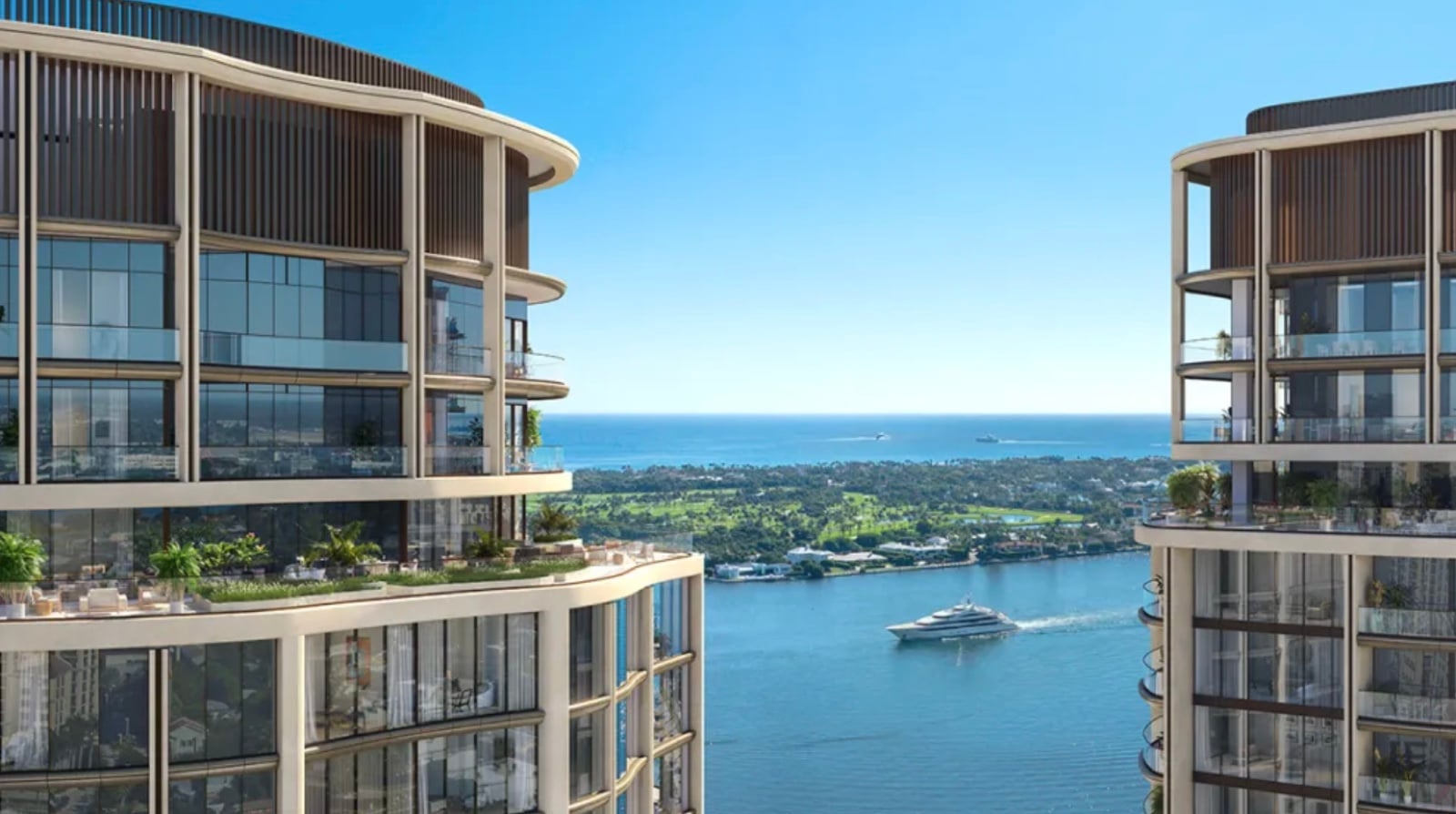
Two towers beside South Flagler House, with a private elevator to every residence and more than 90,000 square feet of amenities.

West Palm Beach
Sixty-nine residences on the Intracoastal, directly across from Palm Beach Island. Floor plans from 3,575 to 9,231 SF.

Palm Beach
Directly across from the guarded town beach, a short walk to Worth Avenue. Private elevators, two garage spaces and a full-building generator.
West Palm Beach
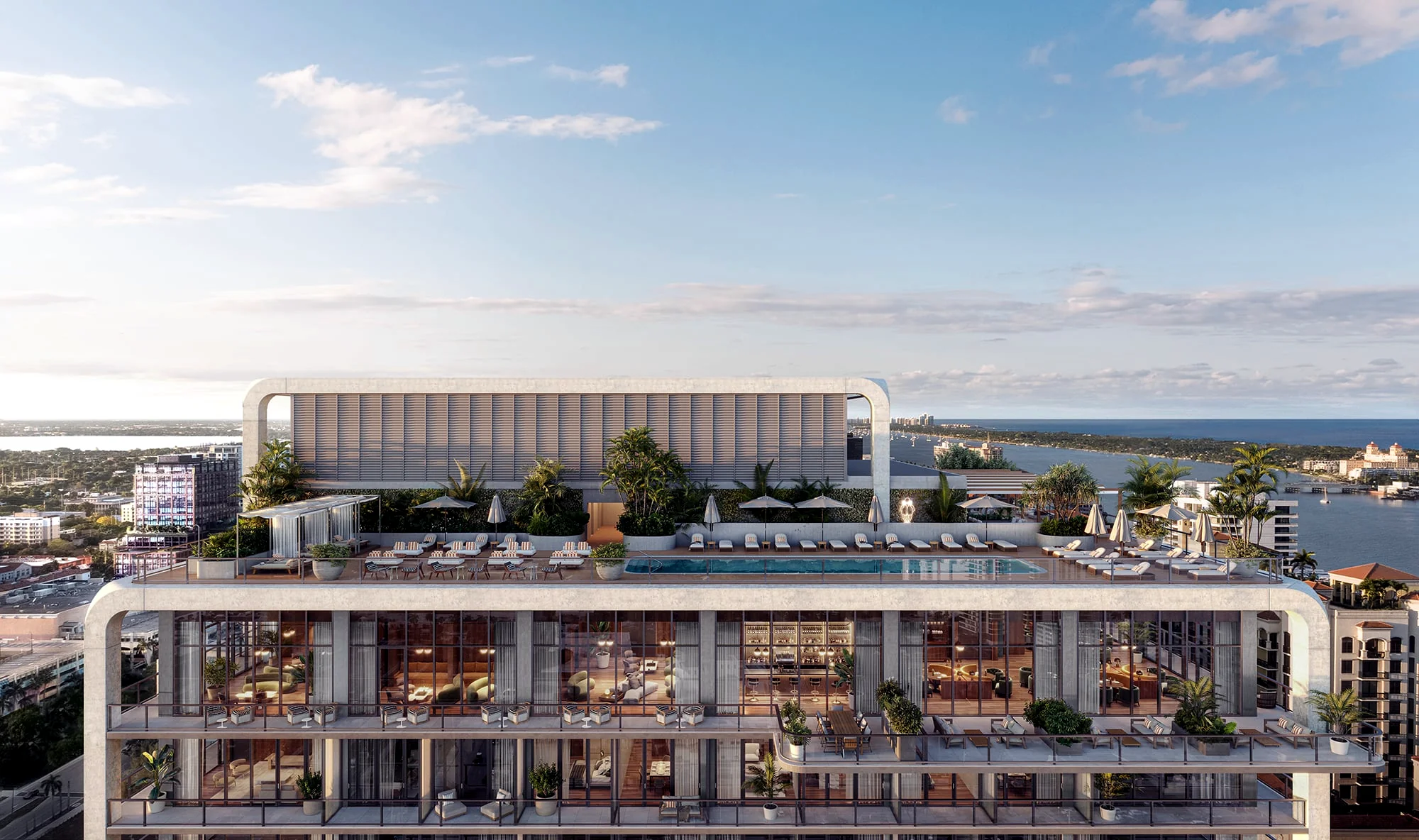
Cipriani condo-hotel with Bellini dining, a rooftop lounge and a hotel rental program downtown.
West Palm Beach
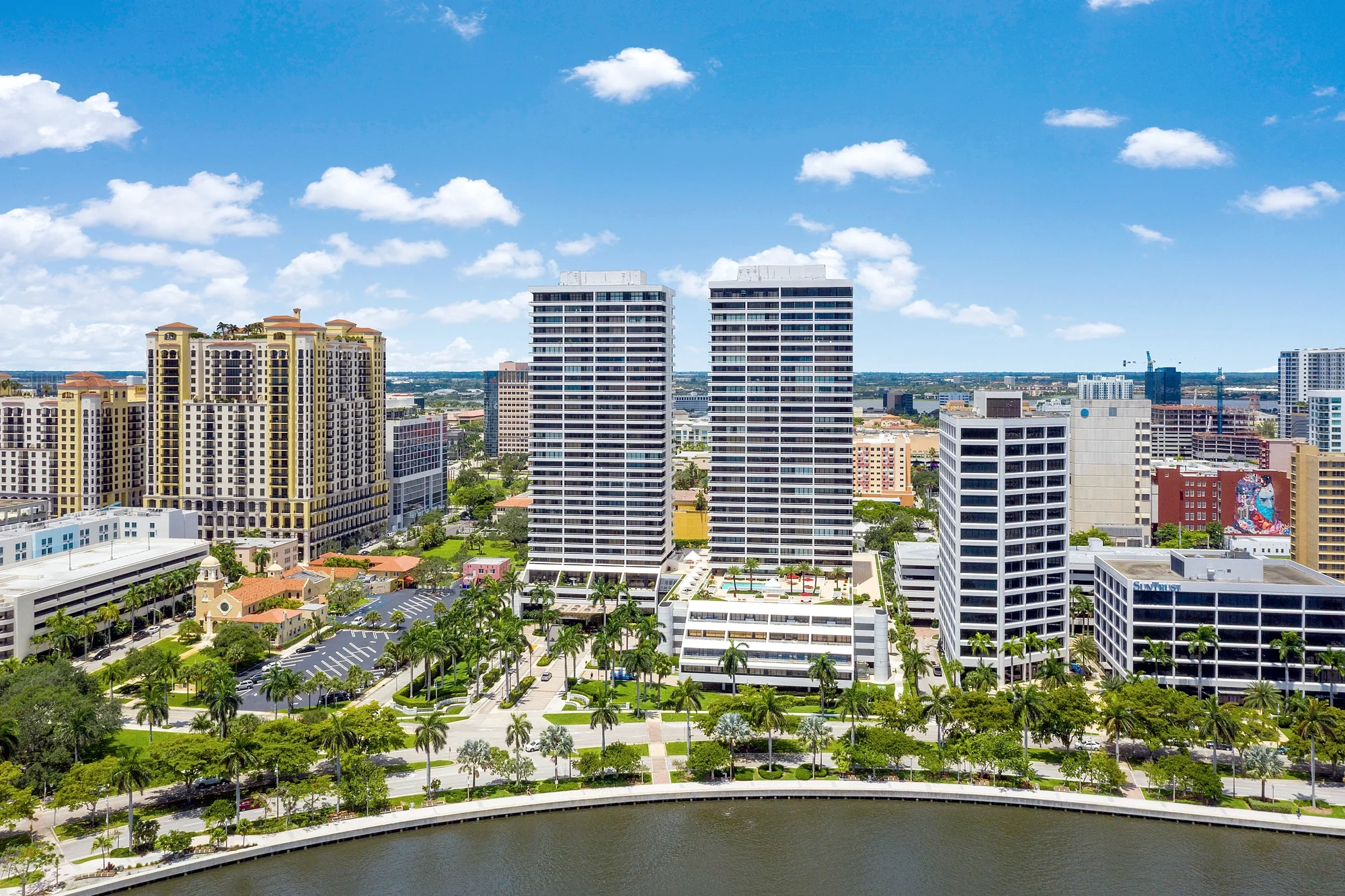
Two 32-story towers in downtown West Palm Beach. Floor-through layouts deliver water and city views. Walkable to Clematis Street and Brightline.
West Palm Beach
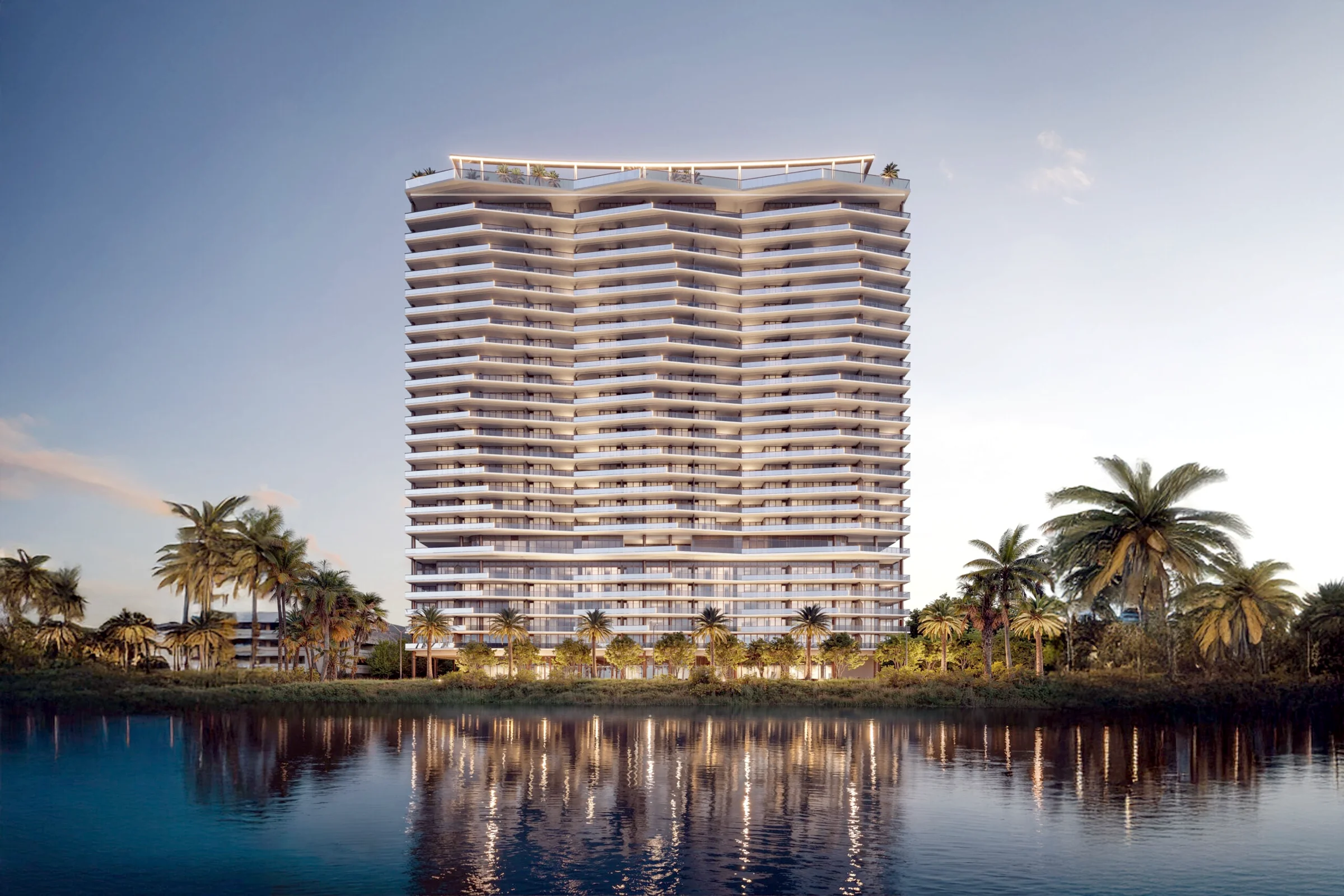
Clear Lake waterfront by Arquitectonica, with family amenities across three levels and dedicated children's and teen programming.
West Palm Beach
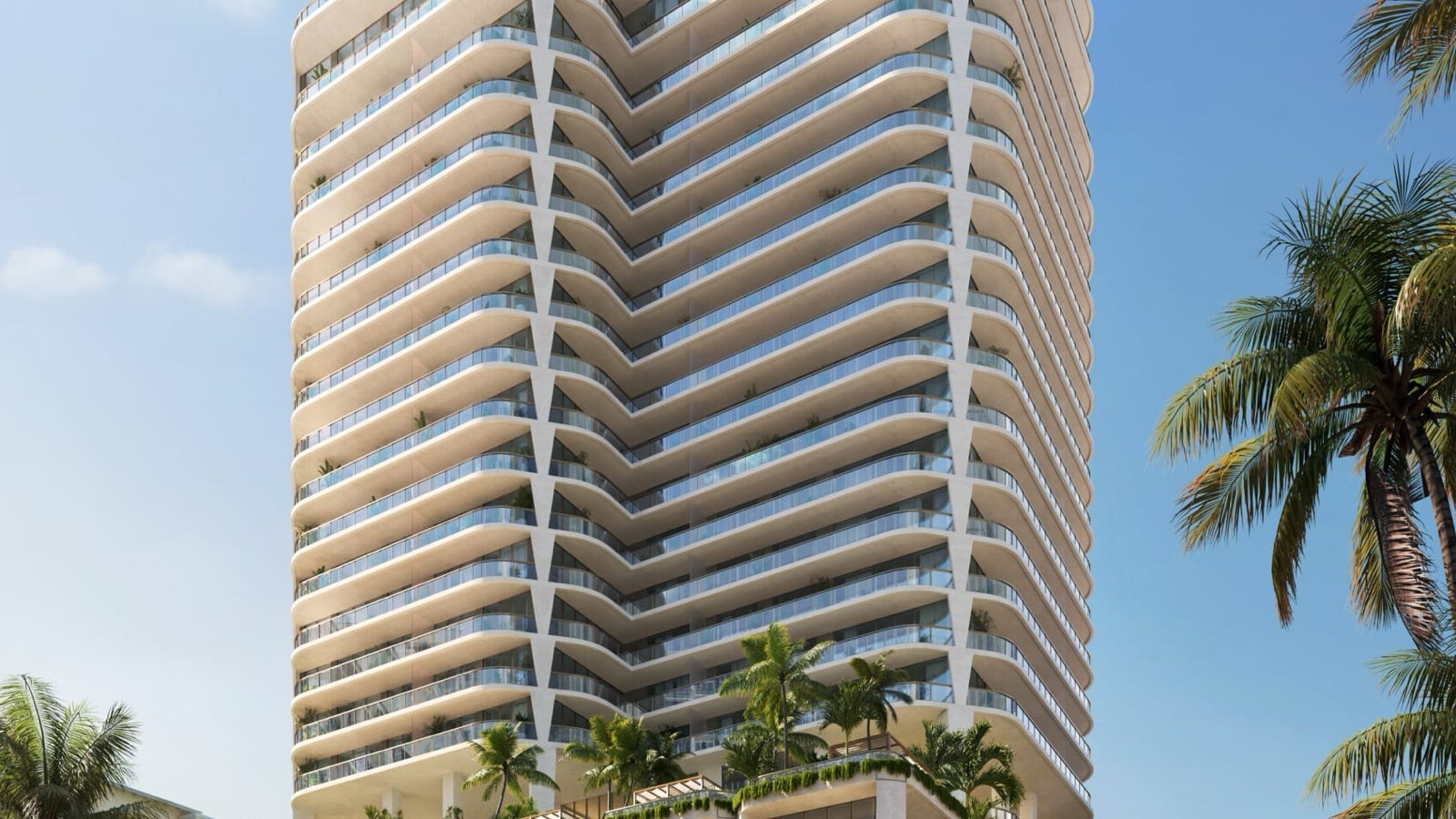
The brand's first American residences, a downtown tower where every home is a corner unit with wraparound terraces. A full floor is given to wellness.

Palm Beach
A full-service cooperative on the site of Flagler's Royal Poinciana Hotel, beside the Plaza. On-site dining, salon and staff across six waterfront acres.

Palm Beach
Oceanfront residences on the grounds of The Breakers Palm Beach. Full resort access including golf, spa, nine restaurants, and concierge services.

Palm Beach
Two boutique buildings on the quiet east end of Sunset Avenue. Doorman and valet, plus a private garden or cabana for every residence.

West Palm Beach
Estate-scale residences on the Intracoastal, overlooking Palm Beach Island. Floor plans up to 9,061 SF with full-service concierge and valet.

Palm Beach
The landmarked 1926 hotel conversion on the lakefront at Bradley Place. Hotel-scale rooms and lawns running to the Intracoastal seawall.
West Palm Beach
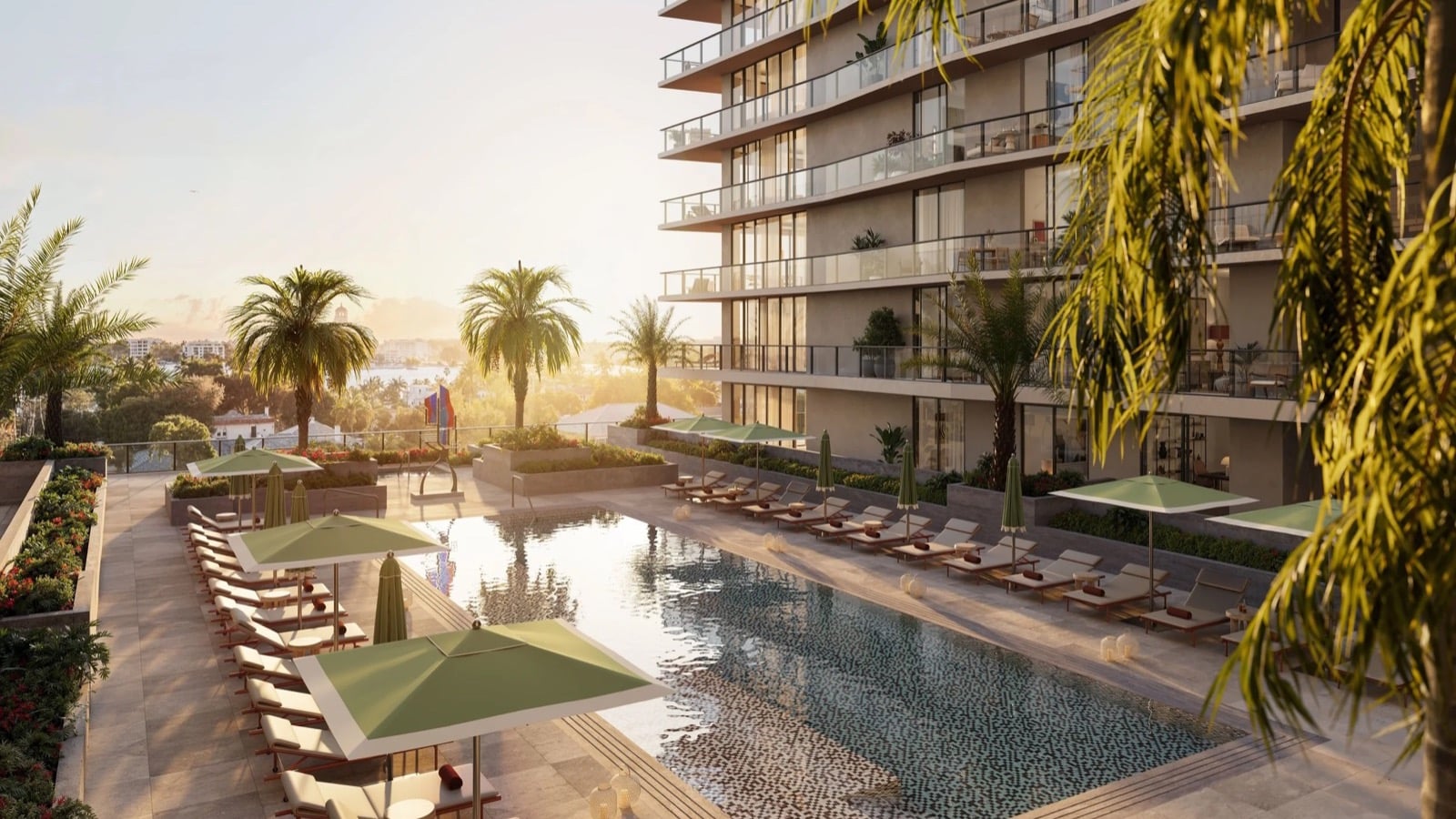
The first condominium in the Nora warehouse revival, where the neighborhood is the amenity, under a rooftop of pool, bowling and pickleball.
West Palm Beach
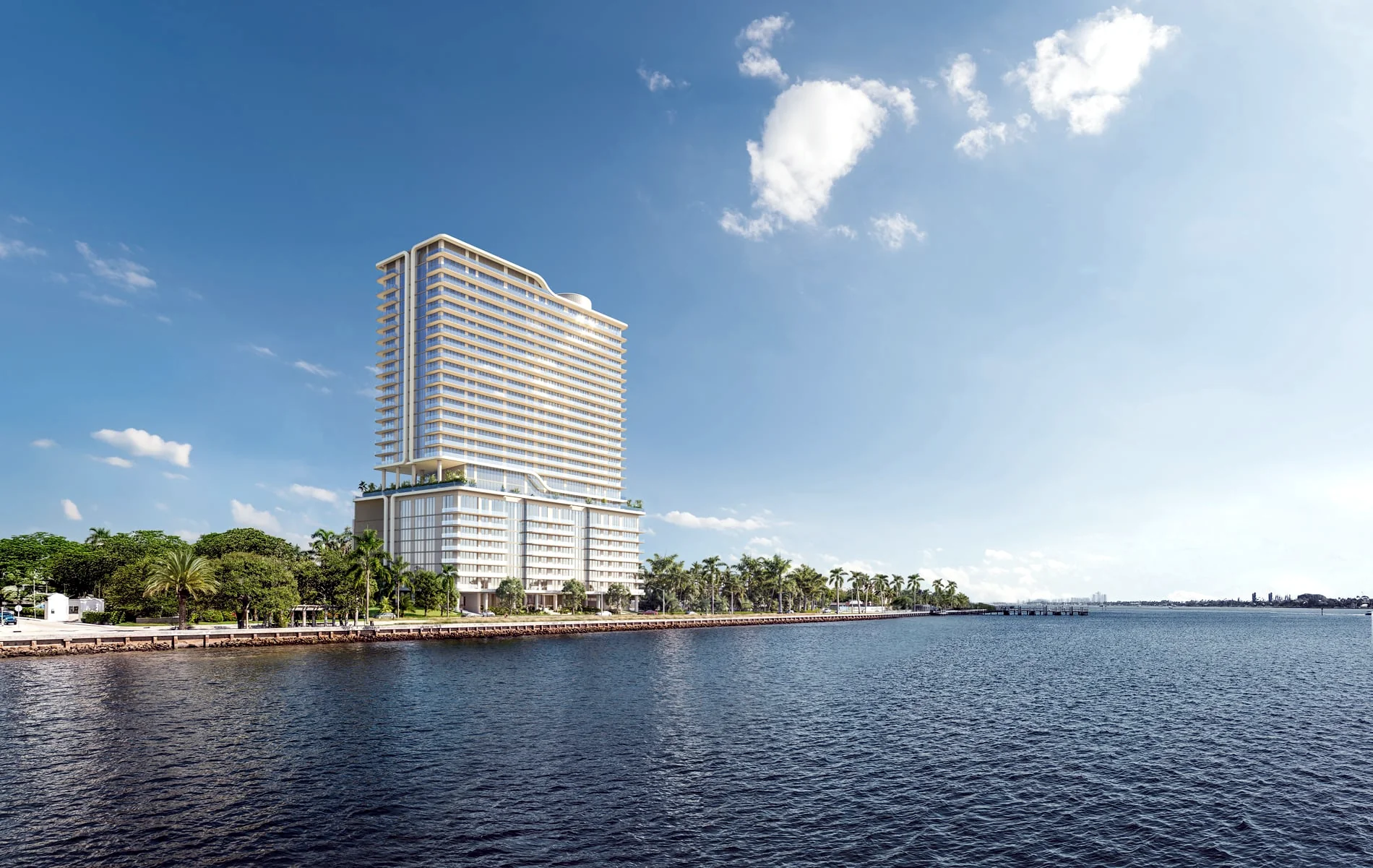
The city's first branded waterfront tower, where every residence faces east. Managed services, Cove Club membership, and Marriott Bonvoy enrollment.
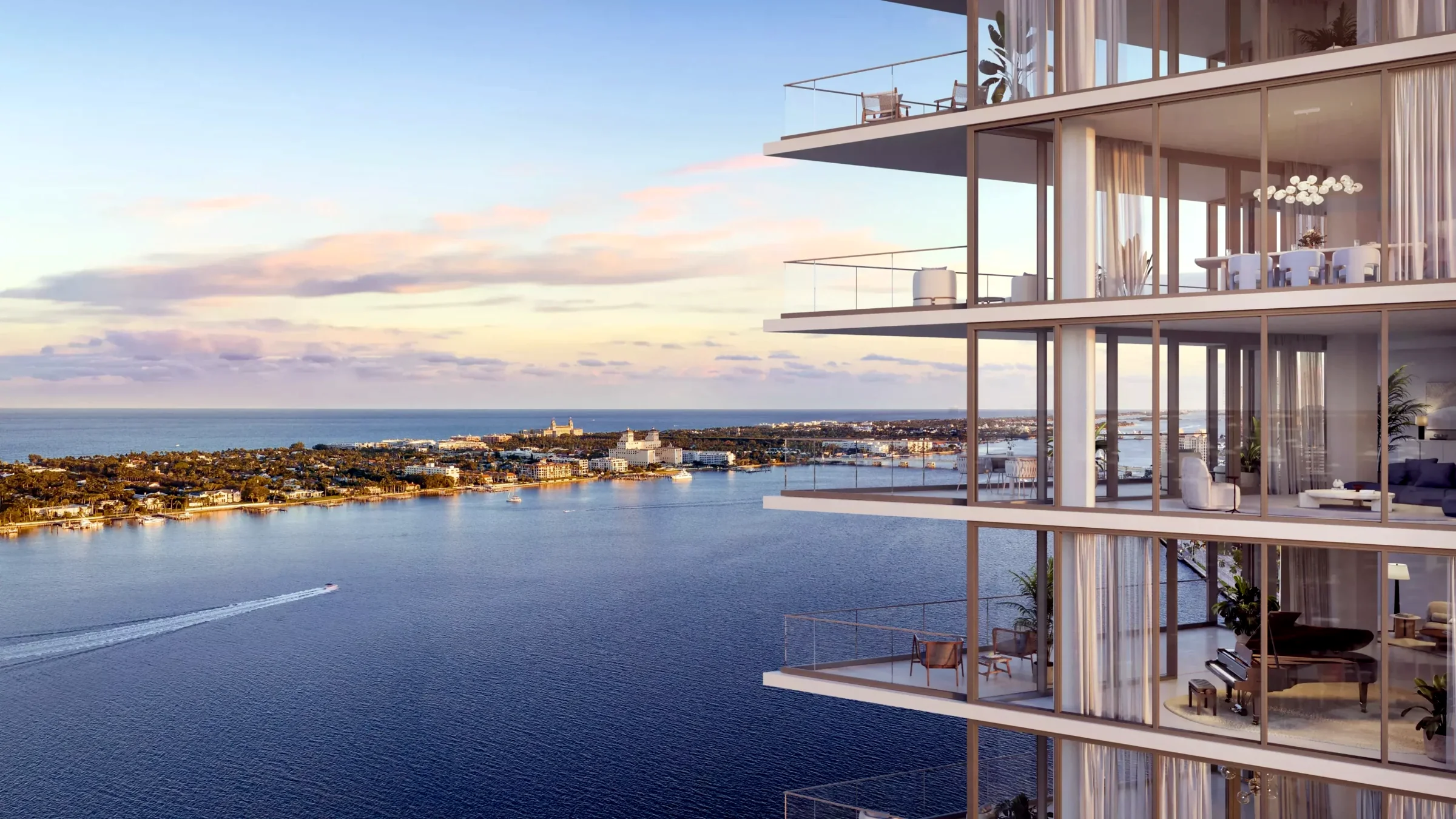
West Palm Beach
Related Ross's second condominium tower, with an Equinox-managed wellness program, Roger Ferris + Partners architecture and Rottet Studio interiors.
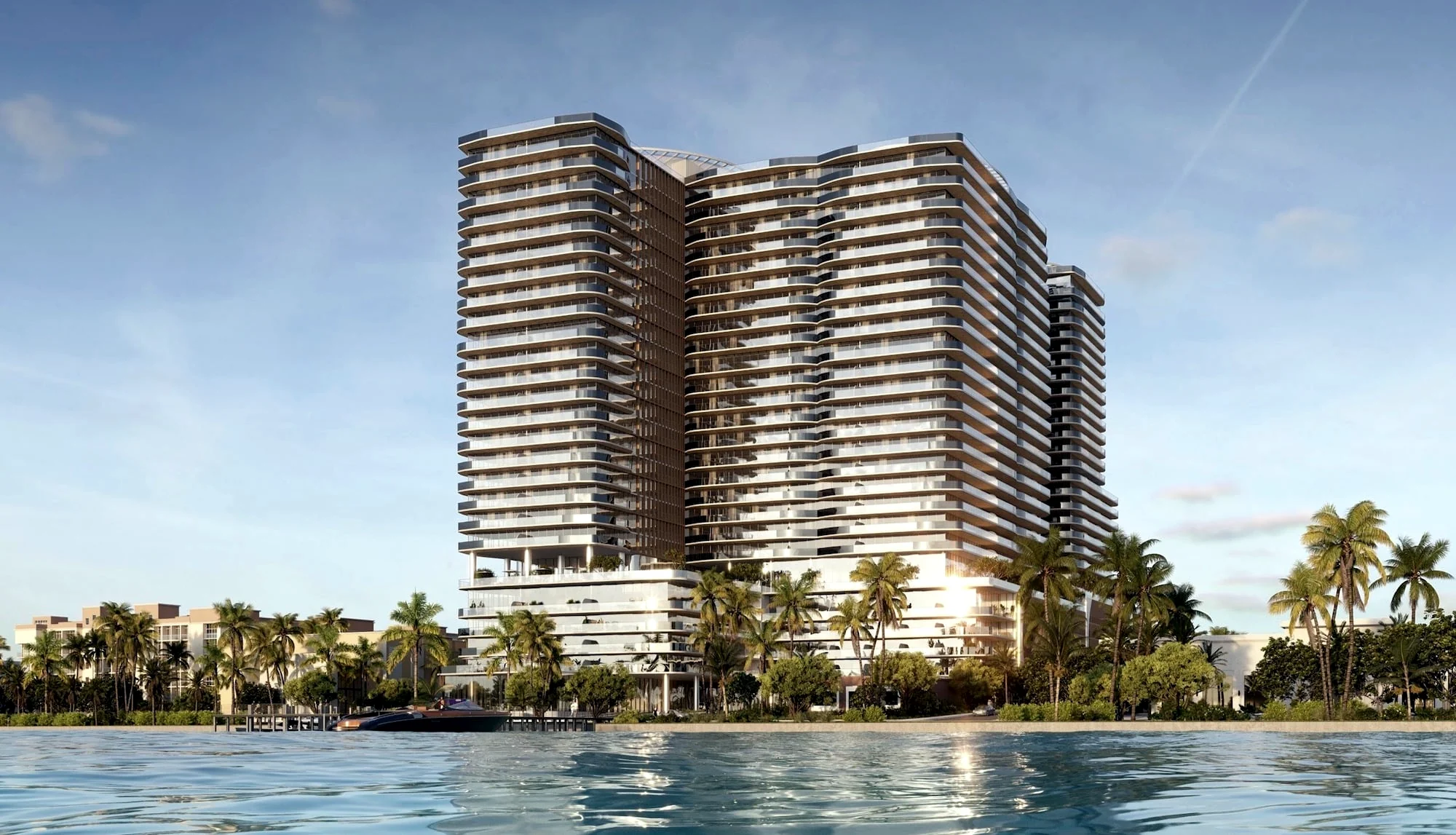
West Palm Beach
José Andrés' first Palm Beaches restaurant, private marina, full-building generator, and nearly 80,000 SF of amenities managed by Arch Amenities Group.
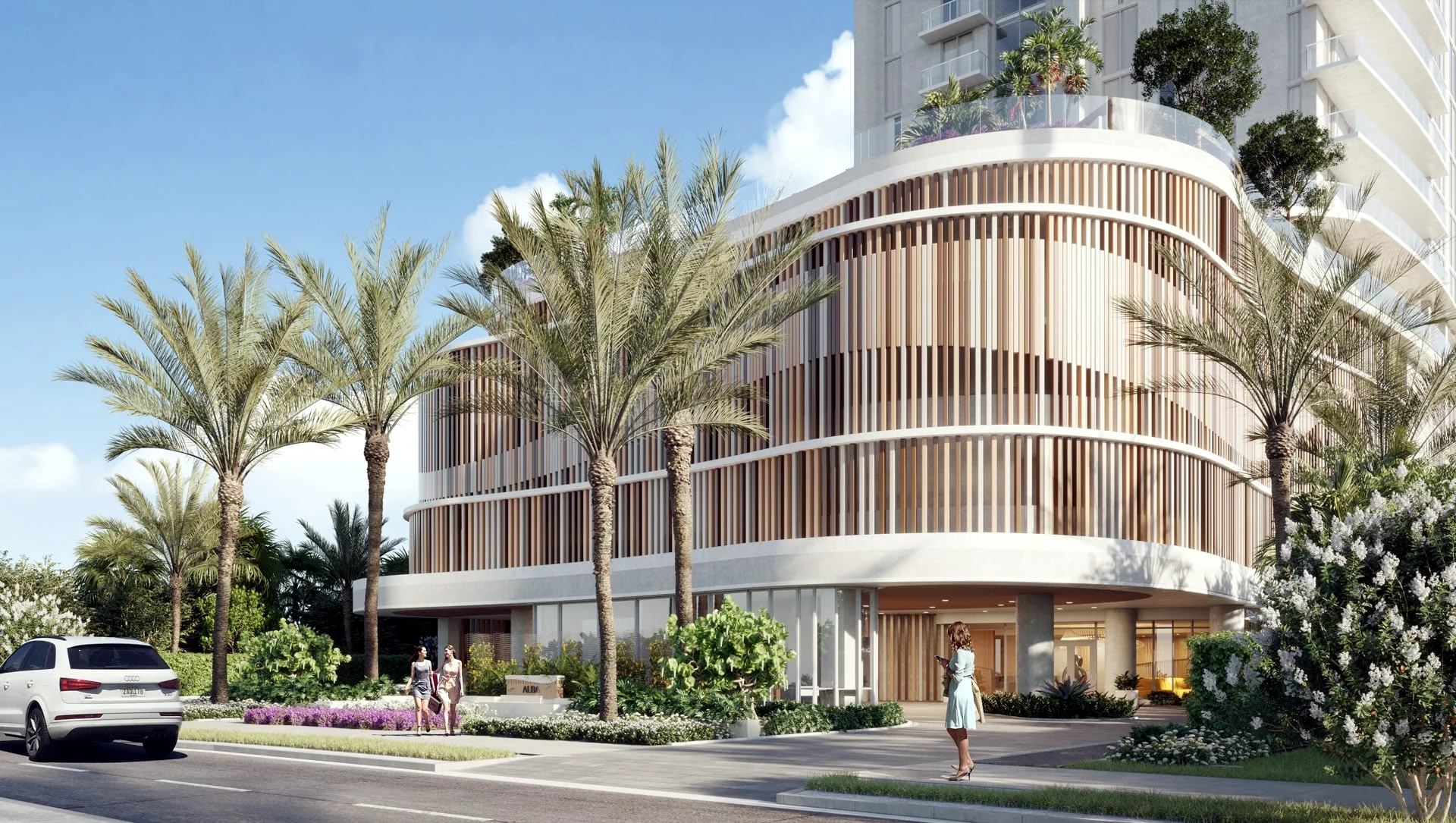
West Palm Beach
Northwood's first luxury waterfront building. Private dock, townhomes, and Mount Sinai concierge medical care on the Intracoastal.
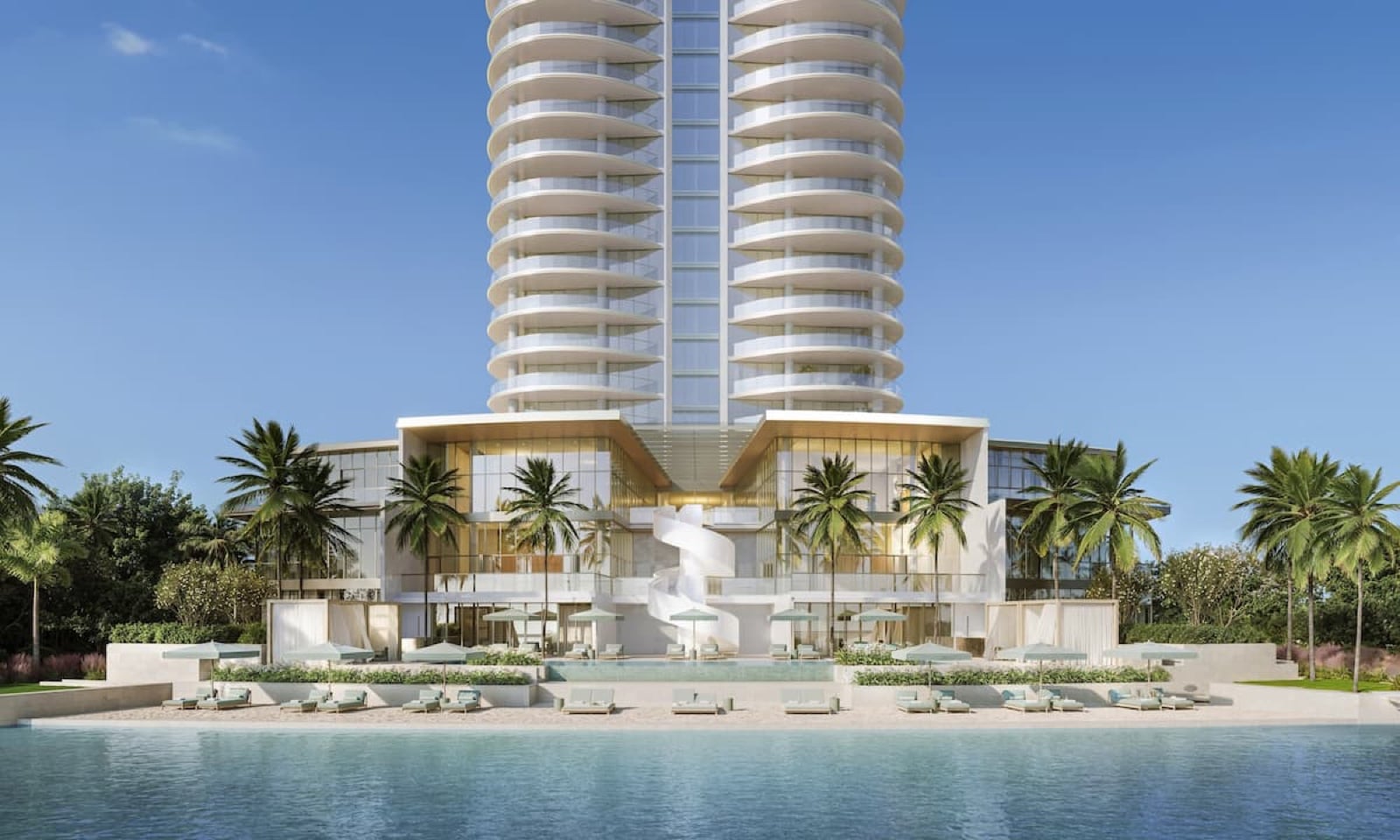
West Palm Beach
The brand's first residences in Florida, a Safdie Architects tower on the Northwood waterfront with private villas on the Intracoastal.

Singer Island
Hotel-branded oceanfront residences managed to Ritz-Carlton standards. Housekeeping, in-residence dining, valet and concierge available to owners.

Singer Island
The island's tallest building at 43 stories, with dining on the top floor. One- to three-bedroom plans at the oceanfront's most approachable pricing.

Singer Island
Contemporary oceanfront delivered in 2018, flow-through plans opening ocean to Intracoastal. Floor-to-ceiling glass on an island of vintage towers.

Lake Park
Twin towers above the harbor marina, opened in 2026 with restaurants in the building. A one-acre amenity deck and docks at the door.

Singer Island
One residence per floor across twin 19-story towers. Every unit is 4,000+ SF with private elevator entry and 360-degree ocean and Intracoastal views.

Singer Island
Boutique oceanfront with private elevator entry to each residence. Floor plans from 2,800 to 7,900 SF with both Atlantic and Intracoastal exposure.

Singer Island
The island's newest oceanfront tower, completed by Kolter in 2020 beside the state park. Few residences per floor and current construction throughout.
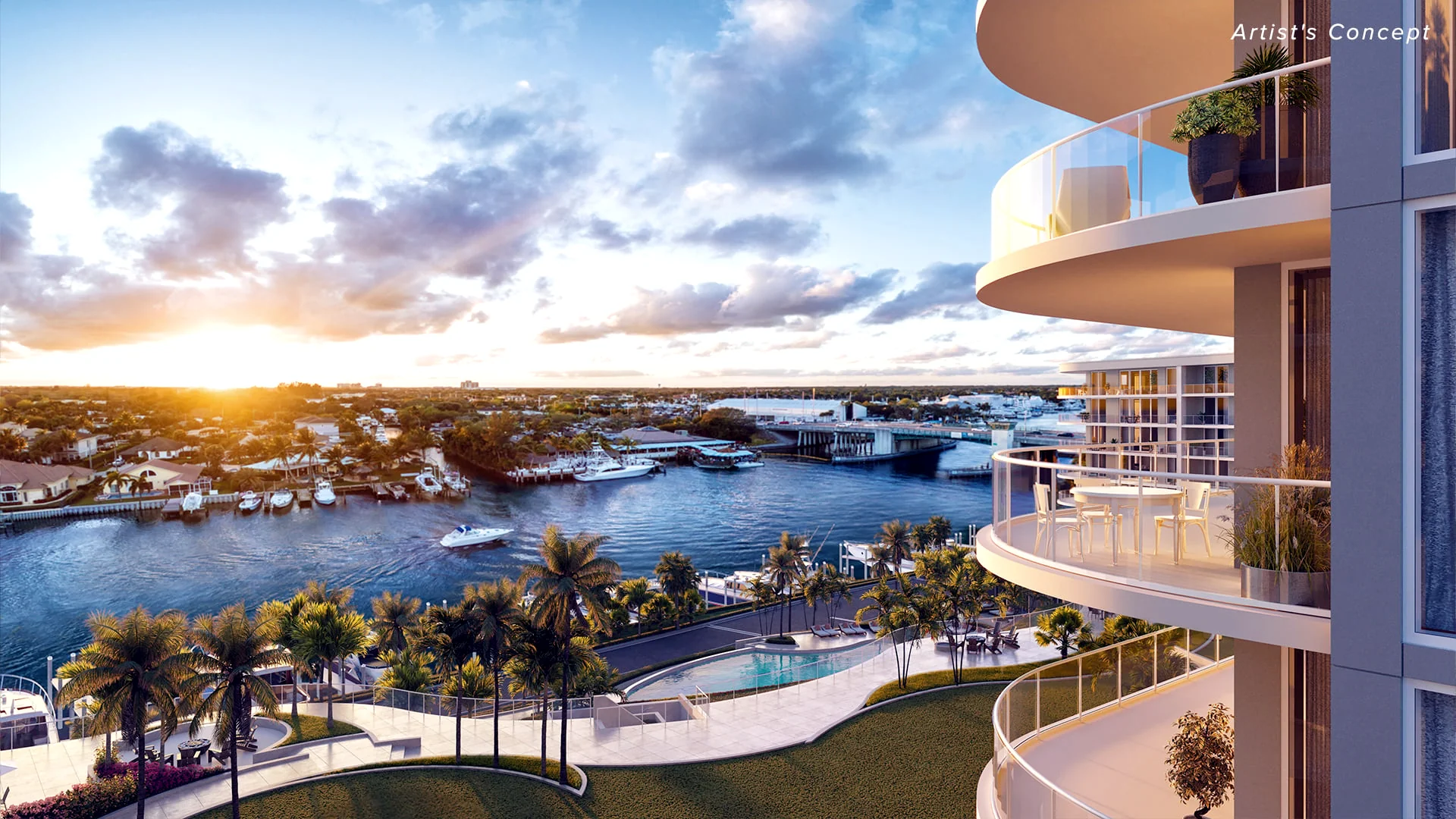
Palm Beach Gardens
The brand's only condominium development to carry its Estate Collection designation, for estate-scale floor plans. Marina-front living on the Intracoastal.
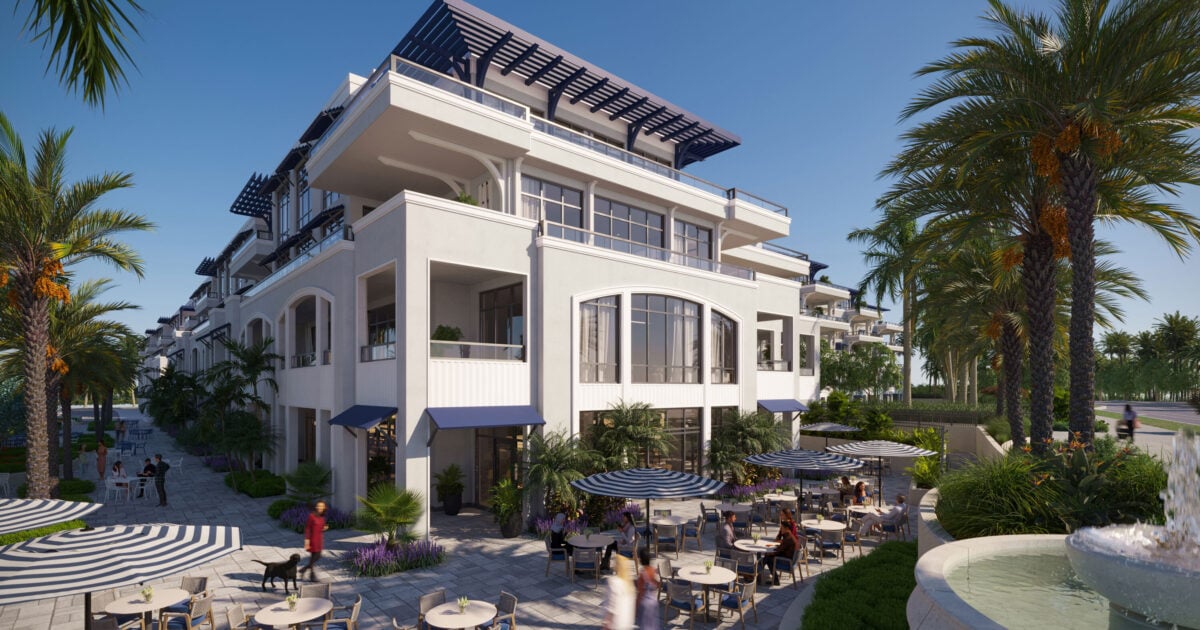
Juno Beach
Four five story buildings about 400 yards from the beach at Donald Ross Road, with shops and restaurants below.
Jupiter Island
The newest oceanfront construction on Jupiter Island. Private climate-controlled garages and direct beach access in a landmark building.

Jupiter Island
Jupiter Island oceanfront below the island’s estate prices. Flow-through floor plans with Atlantic and Intracoastal views.
Market Intelligence
Closed sales in the selected window, grouped by building.
Data as of September 28, 2026 · Updated daily from Beaches MLS
Closed sales, Beaches MLS. Buildings with fewer than three sales show counts only.
The Building Landscape
Palm Beach County’s condominium market runs from full-service oceanfront towers on the island to boutique buildings along the Intracoastal and hotel-branded residences on the mainland. Each building carries its own ownership profile, defined less by address than by service level, age, and how carefully its board holds the reserves.
The stock divides cleanly. Older oceanfront buildings offer the most interior space for the money and a settled, established character. Newer construction commands a premium for current building code, impact glass, and column-free floor plates. Between them sit the hotel-branded residences, where a global operator runs the service and the amenities carry a name.
| Range | Oceanfront towers, Intracoastal high-rises, and hotel-branded residences |
|---|---|
| Setting | The island, the mainland waterfront, and Boca Raton |
| Vintages | Older oceanfront value against a new-construction premium |
| Service | Full-service and hotel-branded operators |
| First Diligence | Reserves, the milestone inspection, and board approval |
| How It Trades | By service level, age, and how the board holds reserves |
What matters most in a condominium is rarely visible in the listing photos. The reserve study, the milestone inspection, the board’s approval process, and the assessment history tell you more about the years ahead than any finish. We read those documents before you offer, and we tell you plainly which buildings earn their premium and which are carrying deferred cost.
Side by Side
Market data is pulled live from the MLS on a trailing twelve-month basis, across all property types. Building details below are reference.
View All Luxury Condos →Common Questions
The county has five distinct corridors, each with its own pricing logic and buyer profile.
Jupiter Island. The most private corridor. SeaGlass and The Claridge offer oceanfront living on one of Florida’s least developed barrier islands. SeaGlass sits at the top of the island’s two buildings, and The Claridge is the more accessible entry point.
Palm Beach Island and South Palm Beach. The island’s oceanfront buildings (Bellaria, Two North Breakers Row, Sloan’s Curve, The 2500 Building) are supported by scarcity and proximity to Worth Avenue. 3550 South Ocean in the adjacent Town of South Palm Beach offers newer construction (2019) at a lower entry point than Palm Beach proper.
West Palm Beach Intracoastal. The Bristol, One Watermark Place, La Clara, and The Plaza sit on the Intracoastal with views toward Palm Beach Island. This corridor includes the county’s most expensive building overall (The Bristol) and offers the best walkability to dining, cultural venues, and the Brightline station.
Singer Island. Three luxury buildings compete on the oceanfront: Ritz-Carlton Residences, Oasis, and Ocean’s Edge. Lower density and wider beaches than Palm Beach, with proximity to MacArthur State Park.
Boca Raton. 1000 Ocean on the Boca Inlet, Mandarin Oriental Residences, and Alina Residences offer hotel-branded, inlet-front, and walkable urban options.
The buildings profiled here span a wide range. Each building page carries its own live market data. The middle of the range offers the widest selection: Oasis, Ocean’s Edge, Bellaria, Ritz-Carlton, Sloan’s Curve, Mandarin Oriental, 1000 Ocean, and La Clara. At the top of the range, the field narrows to SeaGlass, One Watermark Place, Two North Breakers Row, and the upper inventory at The Bristol.
Price per square foot varies by building age, location, and service level. Post-2015 construction along the West Palm Beach Intracoastal commands among the highest prices per square foot in the county. Palm Beach Island oceanfront sits below it. Singer Island’s luxury buildings are the most accessible of the three corridors on a per-square-foot basis. These ranges shift by floor level and exposure within each building.
Six buildings operate full-service residential programs with 24-hour concierge, valet, and amenity staffing: The Bristol, Two North Breakers Row, One Watermark Place, La Clara, 1000 Ocean, and Alina Residences. Two additional buildings carry hotel brand affiliations: the Ritz-Carlton Residences on Singer Island and the Mandarin Oriental Residences in Boca Raton. Hotel-branded buildings provide access to the brand’s global loyalty programs, service standards, and in some cases food and beverage operations on-site.
The trade-off is higher carrying costs. Full-service and hotel-branded buildings carry the highest HOA fees, driven by staffing, insurance, and reserve requirements. Buyers who spend fewer than six months per year in residence should weigh whether the fee structure aligns with their usage. Boutique buildings with lower staffing (Bellaria, SeaGlass, Oasis, Ocean’s Edge, 3550 South Ocean) carry proportionally lower fees while still providing concierge and security.
Four factors determine the fee: unit size (assessed per square foot), building staffing level, insurance costs (windstorm premiums have increased significantly since 2020), and reserve fund contributions. Full-service buildings like The Bristol and the Ritz-Carlton carry higher fees because they maintain larger staff, more extensive common-area programming, and deeper reserves.
Building size also matters. In a boutique building like SeaGlass or 3550 South Ocean, per-unit exposure to special assessments is higher because fewer owners share major capital costs such as roof replacement or elevator modernization. Larger buildings spread those costs more broadly but may have more complex governance. In every case, the reserve study and assessment history matter more than the current monthly fee.
The most recently completed luxury buildings in the county are Mandarin Oriental Residences in Boca Raton (2023), La Clara in West Palm Beach (2022), SeaGlass on Jupiter Island (2022), Alina Residences in Boca Raton (2021), and The Bristol and 3550 South Ocean (both 2019). Alina has additional phases under development.
Several new projects are in pre-construction along the West Palm Beach waterfront, including South Flagler House, The Berkeley, and Forte on Flagler. Post-2015 construction generally means current Florida building code compliance, impact-rated glass throughout, modern mechanical systems, and smart-home infrastructure. For buyers who want to avoid near-term capital replacement costs and special assessments for building envelope work, this segment offers the least near-term structural risk.
Most luxury buildings in the county permit pets, though restrictions vary. Common limits include weight caps (25 to 50 pounds is typical), breed restrictions, and limits on the number of animals per unit. 3550 South Ocean and Oasis include dedicated pet areas on-site, which is uncommon at this density level.
Pet policies are set by each condominium association and can change. Buyers with dogs over 50 pounds or with multiple pets should confirm the current rules before making an offer, as some buildings that technically allow pets have weight limits that exclude larger breeds. We maintain current pet policy details for every building profiled here.
Florida’s condominium insurance market has tightened significantly since 2020, with windstorm premiums rising across the board. Each condominium association carries a master policy covering the building’s structure, common areas, and windstorm exposure. Individual owners are responsible for their interior contents, improvements, and personal liability through an HO-6 policy.
Newer buildings (post-2002) generally receive more favorable underwriting because they were engineered to post-Hurricane Andrew building codes. Older oceanfront buildings may face higher premiums or difficulty securing coverage, which can trigger special assessments that affect every owner. The master policy’s deductible structure, the reserve study, and any recent or pending assessments are essential due diligence items before closing.
Oceanfront buildings sit directly on the Atlantic with private beach access, east-facing sunrise views, and salt air exposure that accelerates exterior maintenance. The trade-off is typically higher insurance costs, greater storm exposure, and in some corridors, less walkability to dining and retail. Jupiter Island, Palm Beach Island, South Palm Beach, and Singer Island are the county’s oceanfront corridors.
Intracoastal buildings (The Bristol, One Watermark Place, La Clara, The Plaza) face the waterway with views toward Palm Beach Island. They offer protected water access for boating, walkability to downtown West Palm Beach, and generally lower insurance costs. The Bristol and La Clara are both within walking distance of Clematis Street, Rosemary Square, and the Brightline station.
Rental policies vary by building and are set by each condominium association. The 2500 Building prohibits rentals entirely. 3550 South Ocean requires a minimum one-year lease. Many buildings require board approval for tenants and limit how frequently a unit can be leased per year. Some restrict rentals during the first year or two of ownership.
Rental restrictions shape both resale flexibility and daily living experience. Buildings with strict no-rental or long-minimum-lease policies tend to have more stable, owner-occupied communities with lower common-area wear. For buyers who may need to lease during periods of non-occupancy, confirming the specific policy before making an offer avoids surprises at closing.
On Jupiter Island, SeaGlass and The Claridge are the two options, separated primarily by construction vintage and price tier. On Singer Island, Oasis, Ocean’s Edge, and the upper floors of the Ritz-Carlton compete directly, each offering oceanfront with different trade-offs in density, floor plan size, and service level.
On Palm Beach Island, Bellaria and Two North Breakers Row compete at the upper end. In West Palm Beach, The Bristol, One Watermark Place, and La Clara overlap on the Intracoastal. In Boca Raton, 1000 Ocean and Mandarin Oriental compete at the top of the market, while Alina offers a walkable urban alternative. Comparing across corridors is less useful. An equivalent budget at Bellaria and at the Ritz-Carlton delivers fundamentally different lifestyles and resale dynamics.
The process typically takes 30 to 60 days from accepted offer to closing. Most luxury condo transactions at the upper end are cash purchases. Financing is available but less common at this level, and some buildings restrict financing or require minimum equity thresholds. Buyers should expect a building application and board approval process that can take two to four weeks, including personal and financial references.
Due diligence should include reviewing the association’s financials, reserve study, insurance summary, and any pending litigation or special assessments. Florida requires sellers to provide condominium documents to the buyer, who has a statutory cancellation period after receipt. A real estate attorney familiar with Florida condominium law is essential for reviewing the governing documents, particularly any use restrictions, alteration policies, and assessment obligations.
Start with three questions: how many months per year will you be in residence, what is your tolerance for HOA governance complexity, and do you need the building to be walkable to dining and retail. Seasonal owners who spend three to four months per year may not benefit from full-service HOA fees. Buyers who want walkability are limited to West Palm Beach (La Clara, The Bristol) or Boca Raton (Alina, Mandarin Oriental). Privacy-focused buyers gravitate to low-density buildings like SeaGlass, Oasis, or Bellaria.
We advise touring your top two or three buildings before comparing pricing. Floor plan, ceiling height, light quality, and elevator experience are difficult to evaluate from a listing sheet. A 30-minute visit to each finalist typically resolves what weeks of online research cannot.
Building selection starts with understanding your priorities. We can help narrow the field.