
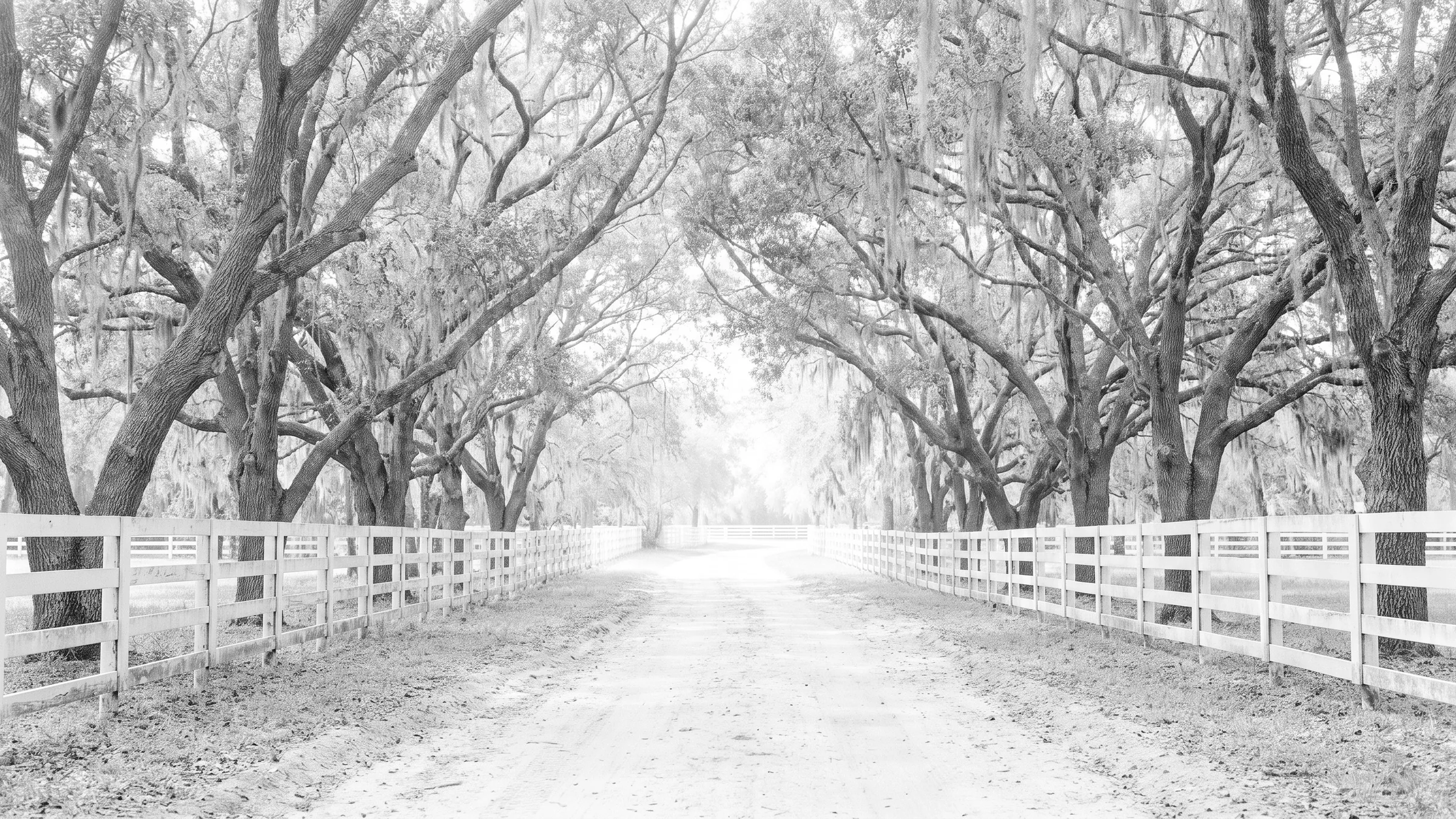

Palm Beach Equestrian Estates for Sale image

Winter Equestrian Capital

Palm Beach Equestrian Estates for Sale

World-class horse properties in Wellington, Jupiter Farms, and Palm Beach County. Competition-grade facilities, polo estates, and private ranches for the serious equestrian.

Scroll to Explore

117

Active Listings

$3.4M

Median List Price

N/A

Median Days on Market

208

Sold, Last 12 Months

117 properties

14991 Palm Beach Point Boulevard, Wellington, FL 33414

14991 Palm Beach Point Boulevard

Wellington, 33414

3405 Olde Hampton Drive, Wellington, FL 33414

3405 Olde Hampton Drive

Wellington, 33414

4723 125th Avenue S, Wellington, FL 33449

4723 125th Avenue S

Wellington, 33449

10250 El Paraiso Place, Delray Beach, FL 33446

10250 El Paraiso Place

Delray Beach, 33446

3151 Hickstead Place, Wellington, FL 33414

3151 Hickstead Place

Wellington, 33414

3454 Grand Prix Farms Drive, Wellington, FL 33414

3454 Grand Prix Farms Drive

Wellington, 33414

10468 El Caballo Court, Delray Beach, FL 33446

10468 El Caballo Court

Delray Beach, 33446

3604 Olde Hampton Drive 1a -1h, Wellington, FL 33414

3604 Olde Hampton Drive 1a -1h

Wellington, 33414

2312 Appaloosa Trail, Wellington, FL 33414

2312 Appaloosa Trail

Wellington, 33414

19153 SE Jupiter River Drive, Jupiter, FL 33458

19153 SE Jupiter River Drive

Jupiter, 33458

10527 El Paraiso Place, Delray Beach, FL 33446

10527 El Paraiso Place

Delray Beach, 33446

14366 Belmont Trace, Wellington, FL 33414

14366 Belmont Trace

Wellington, 33414

5656 South Shore Boulevard, Wellington, FL 33449

5656 South Shore Boulevard

Wellington, 33449

15590 SEA MIST Lane, Wellington, FL 33414

15590 SEA MIST Lane

Wellington, 33414

1482 Pelham Road, Wellington, FL 33414

1482 Pelham Road

Wellington, 33414

3601 Grand Prix Farms Drive, Wellington, FL 33414

3601 Grand Prix Farms Drive

Wellington, 33414

15691 Sunnyland Lane, Wellington, FL 33414

15691 Sunnyland Lane

Wellington, 33414

1601 Clydesdale Avenue, Wellington, FL 33414

1601 Clydesdale Avenue

Wellington, 33414

The Equestrian Market, by Area

Closed sales in the selected window, grouped by area.

Data as of July 28, 2026 · Updated daily from Beaches MLS

AreaHomes SoldMedian PriceMedian $/SqFtDays on MarketSold to Last Ask
Wellington672$780K▲ 4.0%$324▲ 2.2%4596.3%

Closed sales, Beaches MLS. Areas with fewer than three sales show counts only.

The Equestrian Capital of the World

Wellington is the Winter Equestrian Capital of the World, hosting the sport’s marquee competitions from January through April: the Winter Equestrian Festival, the Global Dressage Festival, and high-goal polo at the International Polo Club. The concentration of top-tier competition, infrastructure, and community is unmatched anywhere.

For serious riders, ownership here is direct access to the highest levels of the sport, from competition-grade estates with private arenas and extensive stabling to polo compounds with stick-and-ball fields. Beyond Wellington, Jupiter Farms, Ranch Colony, and Hobe Sound offer greater acreage at lower cost. The table above reads live from the MLS so you can see how each enclave is pricing now.

CapitalWellington, the Winter Equestrian Capital of the World
SeasonJanuary through April, when the marquee competition circuits run
DisciplinesHunters and jumpers, dressage, and high-goal polo
Prime AreasGrand Prix Village, Palm Beach Point, and Saddle Trail Park in Wellington
What Drives ValueThe footing, the stabling, the arenas, and the hacking access to the showgrounds
First DiligenceFooting, agricultural zoning, facility condition, and water supply
  • StablingBarns sized for the discipline, with rubber matting, ventilation, fly systems, and automatic waterers. Staff quarters add value on competition properties.
  • Riding ArenasDressage rings with mirrors and letters, and larger jumping arenas with jump storage. Covered arenas extend usability, and footing is critical, whether a synthetic blend or a sand-fiber mix.
  • Turnout and PaddocksBoard, vinyl, or diamond-mesh fencing, never barbed wire, with shade structures, water, and proper drainage. In Florida's climate, fly control and shade are essential.
  • Support InfrastructureTack and feed rooms, wash racks with hot water, hay and bedding storage, and equipment areas. Competition farms add walkers, lunging areas, and trailer parking with hookups.
  • WellingtonThe center of the sport and the reason the circuits winter here, with the deepest concentration of farms and infrastructure in the county.
  • Grand Prix VillageThe address closest to the showgrounds, prized for direct hacking access to the international arenas.
  • Palm Beach Point and Saddle Trail ParkEstablished Wellington enclaves with generous acreage and bridle-path access to the competition venues.
  • Loxahatchee and Jupiter FarmsLarger parcels and greater privacy a short haul north, at a lower cost per acre than the showground enclaves.
  • Hobe SoundQuiet acreage on the Martin County line for owners who value seclusion over proximity to the ring.
  • Year-round riding weatherUnlike seasonal destinations in the Northeast or Europe, the county offers riding weather every month, so a farm trains, breeds, and rides all year rather than shutting down for winter.
  • A support network that never leavesThe veterinarians, farriers, trainers, and feed suppliers built for international competition serve resident horses out of season as much as in it.
  • Proximity to the showgroundsWithin Wellington, hacking access to the arenas is the single biggest driver of both use and value, which is why the enclaves closest to the ring command the most.
  • Buy for the season, lease the restMany owners occupy for the January-to-April circuit and lease in the off-months, which a well-located property supports.
  • Footing comes firstOn an equestrian property the footing is the single most consequential and expensive variable, and it decides value as directly as the residence does. Have the arenas and their base evaluated by a specialist, and budget for replacement, because footing wears and the cost to redo it is significant.
  • Confirm zoning and leasing rulesAgricultural zoning, the number of horses permitted, and the rules on seasonal leasing vary by community and by parcel. Verify what the property is entitled to before you count on a barn size, a stallion operation, or off-season rental income.
  • Inspect the facility, not just the houseBarns, arenas, wash racks, and fencing carry their own deferred maintenance. Commission a facility assessment alongside the home inspection so the condition of the stabling and the arena footing is known before closing.
  • Verify staff support and waterCompetition properties depend on staff housing and a reliable, sufficient water supply for horses, wash racks, and arena maintenance. Confirm the well or utility capacity and the condition of any staff quarters before you plan around them.

Frequently Asked Questions

Equestrian property runs from acreage in Loxahatchee or Jupiter Farms at the entry end up to turnkey competition farms in Grand Prix Village. Hacking distance to the Wellington showgrounds carries the steepest premium. The live table above shows per-area pricing.

From January to April, Wellington hosts the Winter Equestrian Festival, the Global Dressage Festival, and high-goal polo, drawing the world’s top riders and horses. That concentration of competition, infrastructure, and demand is unmatched and underpins property values across the area.

Quality stabling with proper ventilation, one or more well-based and irrigated arenas, safe turnout paddocks, and support infrastructure: generator, well, equipment storage, and often grooms’ quarters. Footing is the most consequential and costly element. A specialist inspection of barn and rings is essential.

The core season runs January through April. Many owners use their farm for the season and lease it in the off-months, and well-located Wellington properties command strong seasonal rents. Confirm zoning and any community rules on leasing before you count on it.

Loxahatchee, Jupiter Farms, Hobe Sound, and Ranch Colony offer larger acreage and privacy at lower per-acre cost. The trade-off is a longer trailer ride to the showgrounds rather than hacking distance, which matters most during the competition season.

Equestrian use, barn size, and the number of horses are governed by local zoning and, inside planned communities, by association rules. Wellington’s Equestrian Preserve Area has specific protections. Always confirm the permitted use, density, and any trail easements for a specific parcel before you buy.

Beyond the house, the farm infrastructure is what determines whether a property performs. Prioritize the footing and drainage in the arenas and paddocks, the water supply and irrigation for the rings, the barn’s ventilation, electrical, and fire systems, and the condition of fencing and turnout. Well and septic capacity, generator backup, and trailer and equipment access matter as much as the residence. We bring in specialists who evaluate footing and barn systems the way a home inspector evaluates a house.

For competitors, hacking distance to the Winter Equestrian Festival and dressage grounds is one of the strongest drivers of value, because riding directly to the ring rather than trailering saves hours every show day and reduces wear on the horses. The closest neighborhoods command a premium for exactly that reason. Buyers who do not need daily ring access can trade that proximity for more acreage and privacy a short trailer ride away, and we help weigh which side of that trade fits how you actually ride.

Palm Beach County supports the full range of English sport at the highest level: hunter and jumper competition centered on the Winter Equestrian Festival, dressage at the Global Dressage Festival, and high-goal polo. Each discipline concentrates in slightly different pockets, from the show-jumping farms nearest the international grounds to the polo fields and dressage barns in their own enclaves. Matching the property to your discipline matters, since a jumper operation and a polo farm need different land, facilities, and location.

In most cases yes, but barn size, the number of horses, and new structures are governed by local zoning and, inside planned equestrian communities, by association and architectural rules. Wellington’s equestrian overlay and the county’s agricultural zoning set the framework, and permitting covers setbacks, drainage, and manure management. Before you count on an expansion, we confirm what the specific parcel and its governing documents actually allow, since the answer varies sharply between Wellington, Loxahatchee, and the outlying farm areas.

A working farm typically needs grooms and barn help daily, with trainers and riders scheduled around the competition calendar, and many properties include staff housing or an apartment over the barn to support that. The level of staffing scales with the size of the operation and whether you compete or keep horses for pleasure. When evaluating a property, we look at whether the existing staff facilities and layout match the operation you intend to run.

Many working equestrian properties in Florida qualify for an agricultural classification, often called greenbelt, which can meaningfully lower the assessed value of the land actively used for the horse operation. Qualification depends on genuine agricultural use rather than simply owning acreage, and the specifics are set by the county property appraiser. We flag whether a property currently carries the classification and what maintaining it requires, since it affects the true carrying cost of the land.

Considering Equestrian Estates?

We'd welcome the conversation.

Get in Touch

Or call directly: __PHONE__