
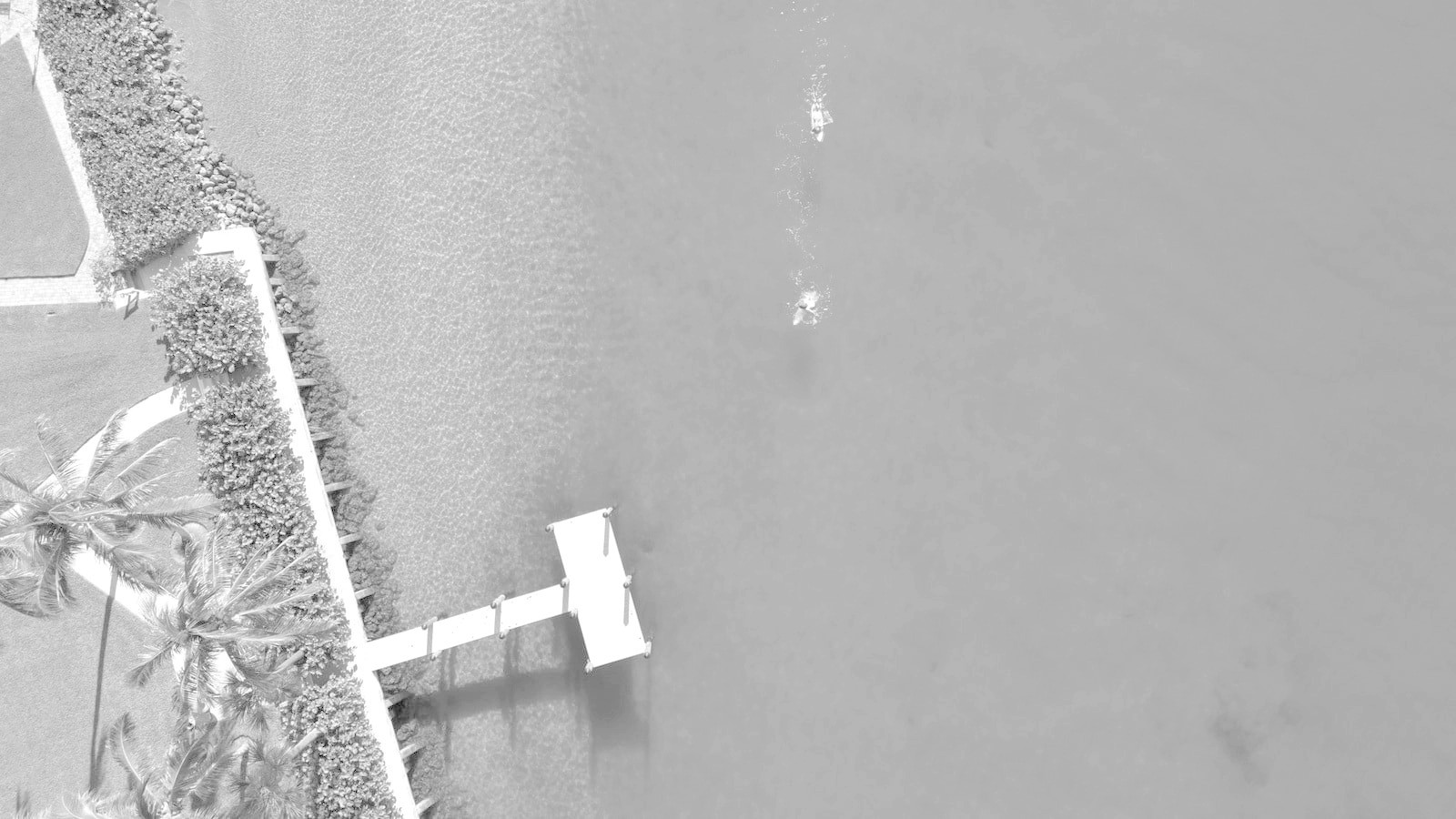
What follows is built for buyers and sellers who want to understand how the market works at this level. It covers how deals start before they reach the public market, which waterfront features drive the biggest price differences and why, how insurance and tax planning add up over time, and what the most prepared families do differently from contract through the first 90 days of ownership.
Five Facts That Change How You Bid or Price
I. Market Mechanics: How the Top of the Market Actually Moves
At $10M and above, scarcity, discretion, and deal psychology determine outcomes. Price indices only tell part of the story.
At the very high end, a meaningful share of deals begin off-market. Brokerage-only previews let a property be shown to select buyers without public marketing, protecting the seller's privacy and preventing days-on-market from becoming a negotiating tool for the other side.
Buyer: Arrive with a clear brief, proof of funds, and a signed non-disclosure agreement (NDA) before previewing. Seller: Decide between a private showing track and a public launch before listing. The two paths attract different buyers and produce different negotiating dynamics.
Executive relocations from finance, technology, and family offices drive demand throughout the year. At lower price points, seasonality has faded. At $10M and above, it has not. Most closings at this level happen in Q1 and Q2. The properties that close in those windows start preparing in the fall: documentation assembled, deferred maintenance resolved, photography completed before serious buyers activate in January. Smart buyers position for previews ahead of that wave. Smart sellers build their timeline backward from it.
Leading indicator: Major office leasing and corporate relocation announcements, not seasonal visitor counts. Timing indicator: Fall preparation activity among serious sellers signals Q1 and Q2 inventory before it reaches the market.
In 2025, buyers at $10M and above pushed back on inflated asking prices. The properties that traded did so at numbers supported by recent comparable sales. Overpricing carries a real cost. The longer a property sits on market, the more leverage shifts to the buyer and the fewer serious inquiries arrive. The final sale price often lands below where a well-priced launch would have landed.
Sellers: Price based on recent closed sales and current conditions. The cost of overasking is a lower sale, not just a slower one. Buyers: Make targeted offers grounded in closed sales. Numbers backed by data are more persuasive than aggressive offers, and sellers who have done their homework recognize the difference.
Three features carry outsized value at this level: a deep-water dock, wide frontage (100 feet or more), and proximity to a major inlet with no fixed bridges between your dock and open water. Fixed bridges are the most limiting factor: they permanently cap how tall a vessel can pass underneath, which rules out sport-fishing towers and most large sportfish boats. Shallow canals do the same from below. Distance to the inlet means a longer run before reaching the ocean. Palm Beach Inlet and South Lake Worth Inlet are the widest and most reliable passes. Jupiter Inlet works well for many vessels but has depth and shoaling variables. Boynton Inlet carries its own limitations. Match your search to the inlet your vessel needs.
Before you tour: Confirm all three variables first. A property that checks two but misses one is a fundamentally different asset when you go to resell.
II. On the Ground: Where the Details Decide
Each submarket has its own shape, zoning rules, and boating profile. Every address needs individual verification.
III. Waterfront and Access Notes
What the seller says in the listing is not a substitute for a captain running the route and checking depths with sonar.
Jupiter Inlet shifts with the seasons and wind conditions. The inlet authority dredges regularly, but conditions are not static. Lake Worth Inlet (Palm Beach Inlet) is deeper, more consistent in all weather, and better suited to larger yachts that sit deeper in the water.
Match inlet to boat: Shallow-draft center consoles suit Jupiter. Deeper yachts benefit from Lake Worth's reliability.
Fixed bridges set a permanent height limit for your vessel. Drawbridges open on published schedules but add transit time and require planning around openings. Every route to the inlet passes through a specific sequence of bridges, and the lowest one sets the ceiling for what can pass.
Before the offer: Measure your vessel's height above water and map every bridge on your route to the inlet. Confirm clearances on site, not from listing descriptions.
Residential canals commonly run 4 to 6 feet at low tide. Depth varies within the same canal system based on sediment buildup and dredging history. What the seller says about depth is not verification.
Verify: Captain's run, tide tables, and sonar before submitting an offer.
Dock length is the starting point. But turning room, width clearance, piling placement, and bumper layout determine whether your vessel actually fits and can safely dock.
Before you bid: Captain's route check plus a marine contractor walkthrough. Not after.
IV. Buyer and Seller Playbook
Preparation determines which off-market properties a buyer gets to see. On the sell side, how you sequence the process controls whether you set the price or give it away.
V. Risk and Insurance Realities
Florida homeowners insurance at the $5M-plus level runs $50,000 to $150,000 annually before credits for wind protection, and the carrier market has shifted significantly since 2022. These numbers belong in your budget before any offer.
Six Insurance Variables to Budget Before You Bid
A buyer who arrives with a completed wind-mitigation inspection can calculate insurance credits into the offer and present a carrier quote alongside proof of funds. Confirmed insurability is a stronger negotiating tool than a higher dollar amount with unknown annual costs.
VI. Tax Strategy: Homestead, Save Our Homes, and Portability
The homestead application is due March 1. Portability transfers expire after three years. Model the tax picture before the offer.
Three Tax Mechanics That Build Savings Over Time
VII. Title Structure and Privacy
How you hold title determines homestead eligibility, your long-term tax picture, and the degree of privacy you achieve. These decisions are difficult to reverse after closing.
Two Ownership Decisions to Make Before Drafting the Offer
VIII. Palm Beach vs New York
Buyers from the Northeast often arrive with expectations shaped by New York pricing. Four variables break that model in Palm Beach County.
IX. The First 90 Days After Closing
The first 90 days contain every deadline that matters and every window that does not reopen. Treat it as a project plan, not a settling-in period.
Five Actions That Cannot Wait
X. Waterfront Due Diligence Checklist
Each item surfaces a risk you can price into your offer, or removes one before the other side can use it against you.
Bottom Line
The buyers who close at this level are the prepared ones rather than the highest bidders: vessel access confirmed, insurance budgeted, title structure decided, tax trajectory projected over the hold period, proof of funds verified. That preparation does more than win offers. It surfaces inventory that never reaches the wider market.
For buyers relocating to Palm Beach County: Arrive with a clear brief, insurance pre-quoted, title structure decided, and proof of funds verified. Run two tax scenarios before your first showing. The preparation that surfaces off-market inventory is the same preparation that wins a competitive offer: certainty of close, not the highest number.
For sellers at $5M+: Serious buyers at this level evaluate documentation before they evaluate finishes. A property with a current wind-mitigation report, confirmed route to the ocean, insurance-ready coverage, and clean permits rises to the top of that review. Assemble the full package before photography. Every day spent fixing issues while on market gives the buyer more leverage.
For both sides: The variables that separate outcomes are all knowable before the offer is written: insurance costs, waterfront access, tax trajectory, and title structure. None require negotiation. All require preparation.
This article is informational and does not constitute legal, tax, or insurance advice. Consult qualified professionals before making any decision. References to market dynamics and buyer behavior reflect practitioner observation across BeachesMLS closed data and are general characterizations, not formal statistical extracts. Figures vary by submarket and period and should not be applied to individual property decisions without direct comparable sales analysis. Navigational data (bridge clearances, canal depths, inlet conditions) requires individual address-level verification and changes over time. Insurance premium ranges are illustrative and vary by property, carrier, and coverage structure. Tax mechanics reflect Florida statutes as of publication. Consult a Florida-licensed CPA or attorney before making any titling or homestead decision.
Home Price and Appreciation: FHFA House Price Index, fhfa.gov. Florida Realtors Market Reports, floridarealtors.org.
Economic Drivers and Relocation: Business Development Board of Palm Beach County, bdb.org. BDB Wall Street South Migration Report, bdb.org.
Flood, Insurance, and Mitigation: FEMA Flood Map Service Center, msc.fema.gov. Florida OIR Wind Mitigation Resources, floir.com. Citizens Property Insurance Wind Inspection, citizensfla.com. My Safe Florida Home Program, mysafeflhome.com.
Waterfront Access and Navigation: Jupiter Inlet District, jupiterinletdistrict.org. Florida Inland Navigation District Bridge Guide, floridainland.org. NOAA Coast Pilot, nauticalcharts.noaa.gov.
Tax Mechanics: Palm Beach County Property Appraiser, Homestead, pbcpao.gov. Palm Beach County Property Appraiser, Portability, pbcpao.gov. Florida DOR Save Our Homes Brochure, floridarevenue.com.
Privacy and Ownership: Florida Land Trust Act 689.071, leg.state.fl.us. FinCEN Beneficial Ownership Information, fincen.gov.