 Contact Contact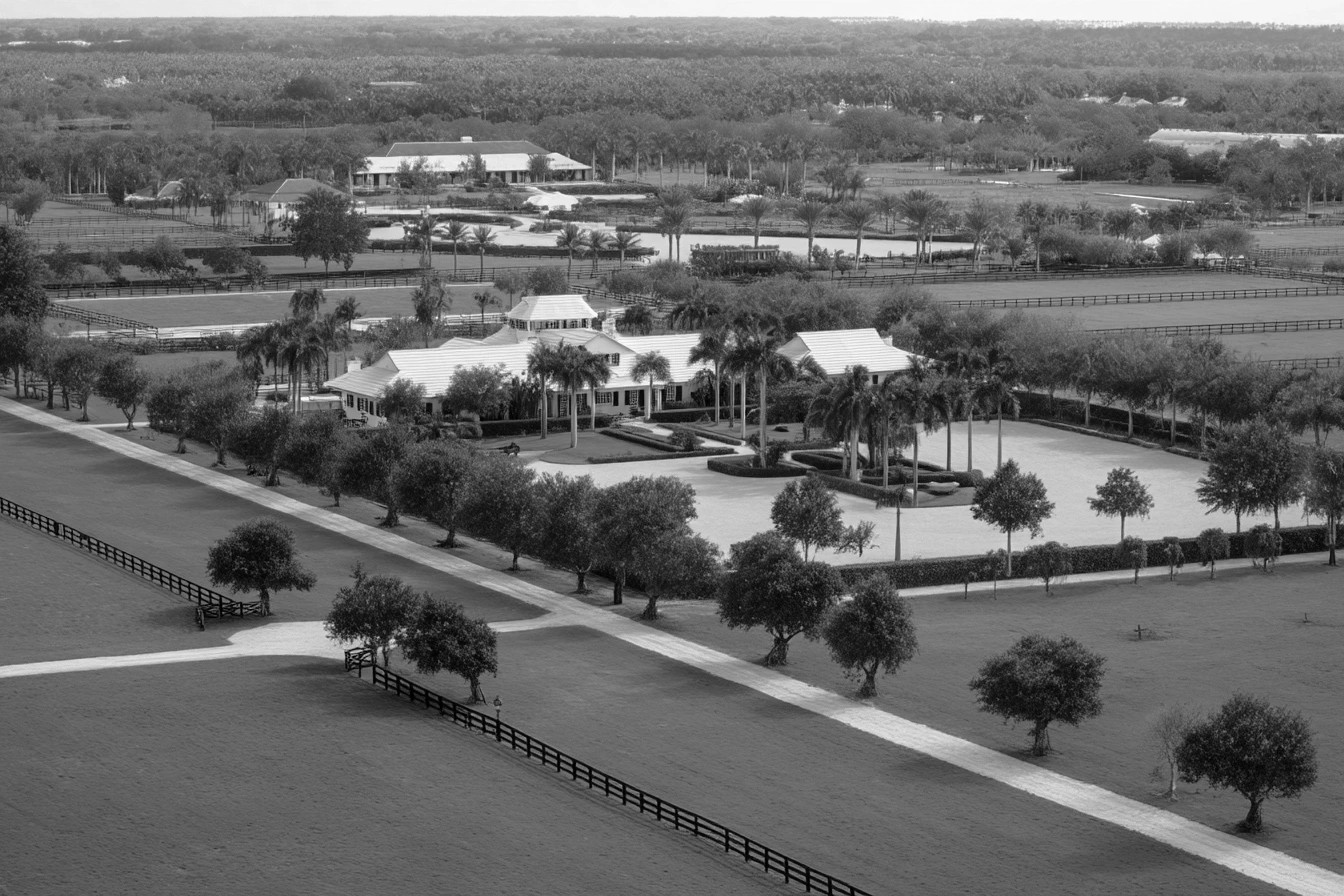
Winter Equestrian Capital
Home of the Winter Equestrian Festival and International Polo Club. Equestrian estates, polo-adjacent compounds, and golf course residences from $2M to $20M+.

Wellington, 33414
Wellington, 33414
Wellington, 33449
Wellington, 33449
Wellington, 33414
Wellington, 33414
Wellington, 33414
Wellington, 33414
Wellington, 33414
Wellington, 33414
Wellington, 33414
Wellington, 33414
Wellington, 33414
Wellington, 33414
Wellington, 33414
Wellington, 33414
Wellington, 33449
Wellington, 33414
YOUR SEARCH
Tell us your priorities and we will build a curated selection, including off-market opportunities you will not find on any portal.
One conversation. A shortlist built around your priorities. Access to inventory that never goes public.
Get Private Access →The Definitive Guide
Wellington is a 45-square-mile village in western Palm Beach County with more than 60,000 year-round residents and a seasonal population that effectively doubles each winter. The community exists around a single defining asset: the largest concentration of professional equestrian and polo facilities in the Western Hemisphere, anchored by the Winter Equestrian Festival (WEF) and the International Polo Club Palm Beach.
The WEF runs 13 weeks from January through March at Wellington International, awarding more than $15 million in prize money and drawing competitors from 50+ countries. The International Polo Club hosts the U.S. Open Polo Championship from December through May. Together, these events contribute over $400 million annually to the local economy and create a seasonal rental market that directly impacts real estate values across the village.
Beyond the equestrian sector, Wellington has developed into one of Palm Beach County’s strongest family markets. The village offers strong public schools and a price-to-value ratio that attracts buyers from higher-cost northeastern and western markets. Median home values sit well below coastal Palm Beach County while offering comparable school quality and suburban infrastructure.
The luxury market centers on two segments: equestrian estates ($2M to $20M+) near the show grounds with direct bridle trail access, and golf and country club residences ($2M to $8M) in communities like Palm Beach Polo, Wycliffe, and Wellington National. Below $2M, the village offers strong family neighborhoods that provide the suburban infrastructure, school quality, and community character that support the broader market.
Property Categories
Three luxury segments defined by proximity to equestrian and polo venues, bridle trail access, and club membership.
$2M to $20M+
Professional horse properties on 5 to 25+ acres with custom barns (10 to 24 stalls), covered arenas, paddocks, and direct bridle trail access to Wellington International. Turnkey facilities typically include guest houses, staff quarters, and groom apartments. Proximity to the show grounds is the primary value driver, with properties in Grand Prix Village and Saddle Trail commanding the highest premiums.
$2M to $8M
Estate-level homes in gated communities including Palm Beach Polo, Wycliffe Golf and Country Club, and Wellington National. Four- to six-bedroom residences with golf course or lake views, full club membership access, and resort amenities. These communities attract buyers seeking Wellington's tax advantages and school quality without equestrian requirements.
$2M to $15M
Properties in the polo corridor near the International Polo Club, as well as hybrid estates offering both equestrian facilities and residential luxury on 3 to 10+ acres. Many serve as seasonal bases for polo patrons and equestrian families who compete during the winter circuit and use the property for entertaining during the season.
Market Intelligence
How seasonal equestrian demand, year-round family migration, and limited equestrian-zoned land shape pricing.
Wellington’s real estate market is driven by two overlapping forces: year-round residential demand from families relocating to Florida for tax and lifestyle reasons, and seasonal equestrian investment that concentrates in the January-through-April show circuit. Each winter the village’s population roughly doubles as riders, trainers, grooms, and spectators arrive, creating sustained demand for both permanent residences and short-term rentals.
The equestrian estate segment has shown particular strength. Properties with trail connectivity to Wellington International command significant premiums over comparable acreage without it. Turnkey facilities with professional arenas, multiple barns, and adequate training acreage trade between $5 million and $15 million, with compounds exceeding $20 million. The supply of equestrian-zoned land within riding distance of the show grounds is finite, which creates structural pricing support similar to waterfront scarcity in coastal markets.
The golf and country club segment ($2M to $8M) draws buyers who want Wellington’s tax advantages, school quality, and lifestyle without equestrian requirements. Palm Beach Polo, Wycliffe, and Wellington National offer estate-level homes with full club amenities. These buyers are typically relocating from the Northeast and comparing Wellington’s golf communities against similar options in Jupiter, Palm Beach Gardens, and Boca Raton.
For current market data, visit our Wellington Market Report page, updated monthly.
The Wellington Lifestyle
Equestrian sport, championship polo, family infrastructure, and 57 miles of bridle trails connecting it all.
The largest and longest-running hunter/jumper competition in the world. 13 weeks of FEI-sanctioned show jumping at Wellington International, with Saturday Night Lights drawing thousands weekly.
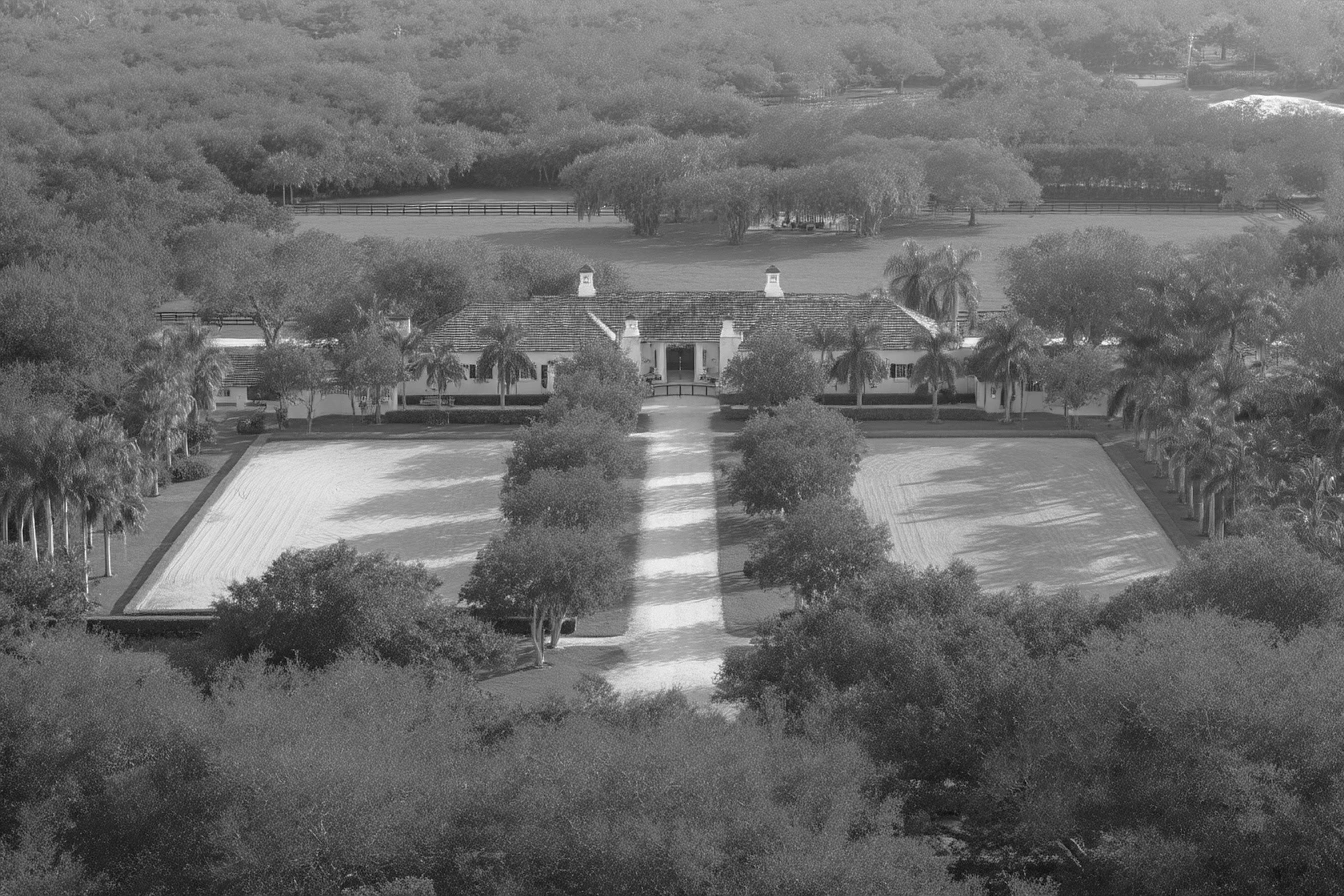
Home of the U.S. Open Polo Championship. High-goal matches from December through May, Sunday brunch, and the social core of Wellington's winter season.
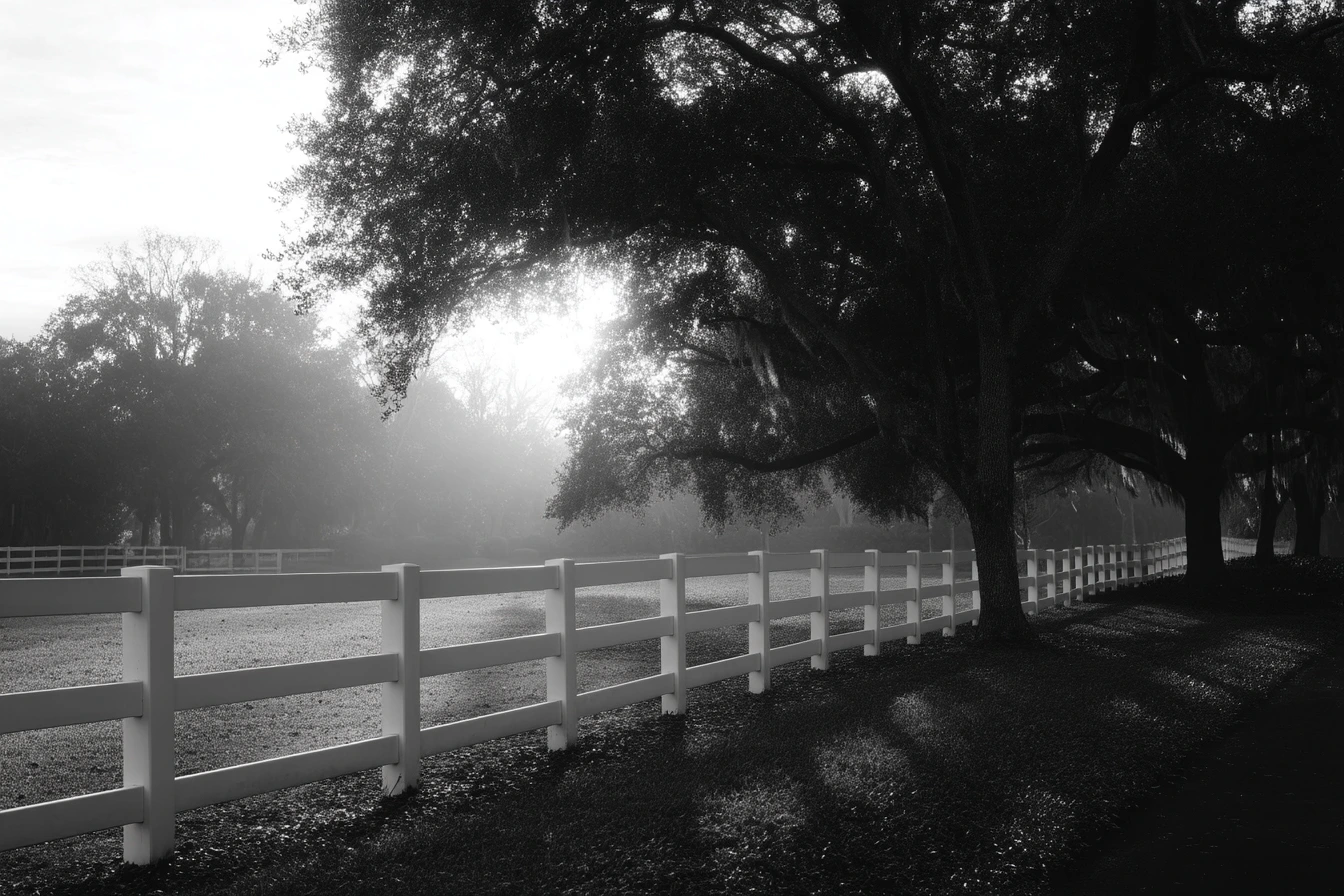
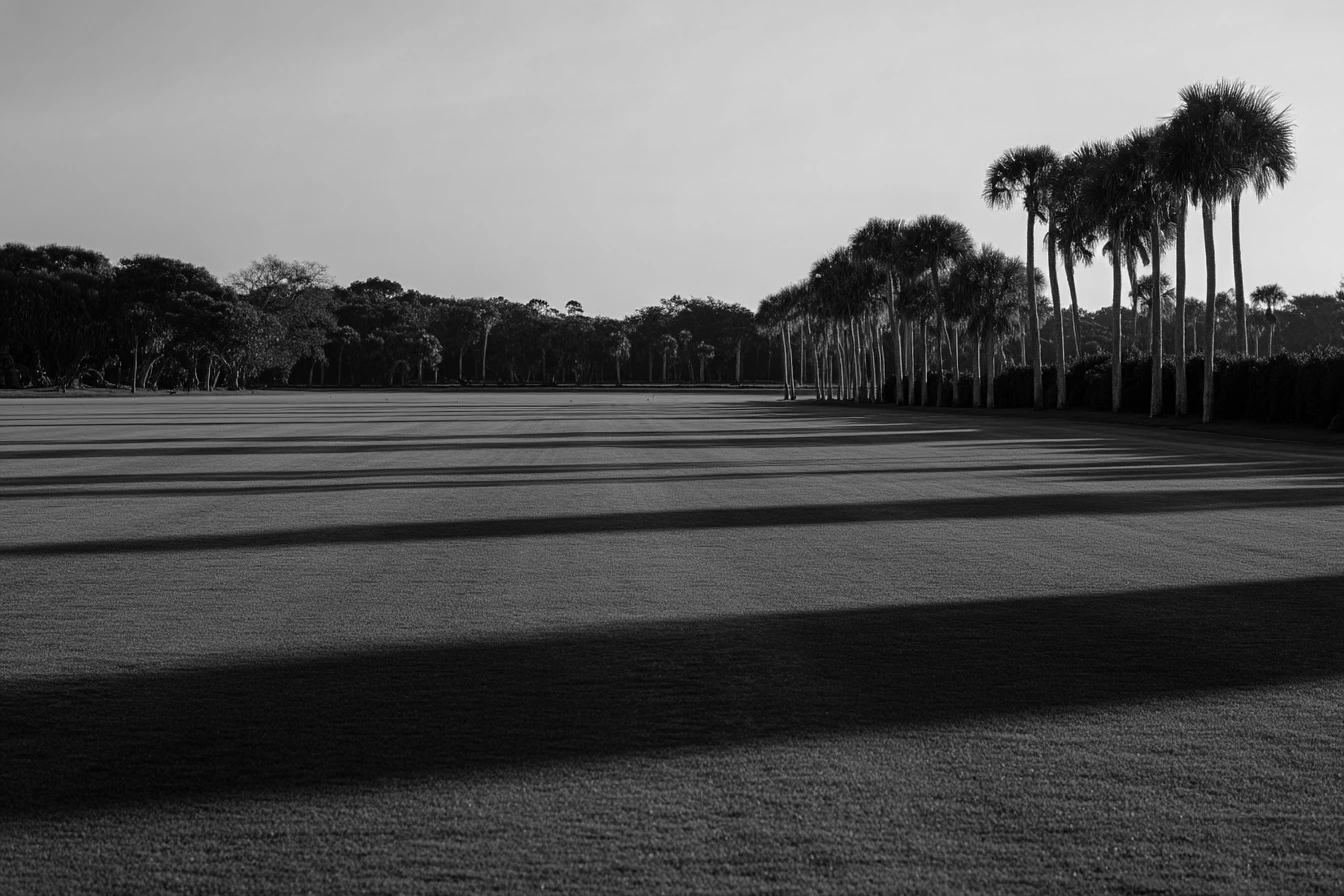
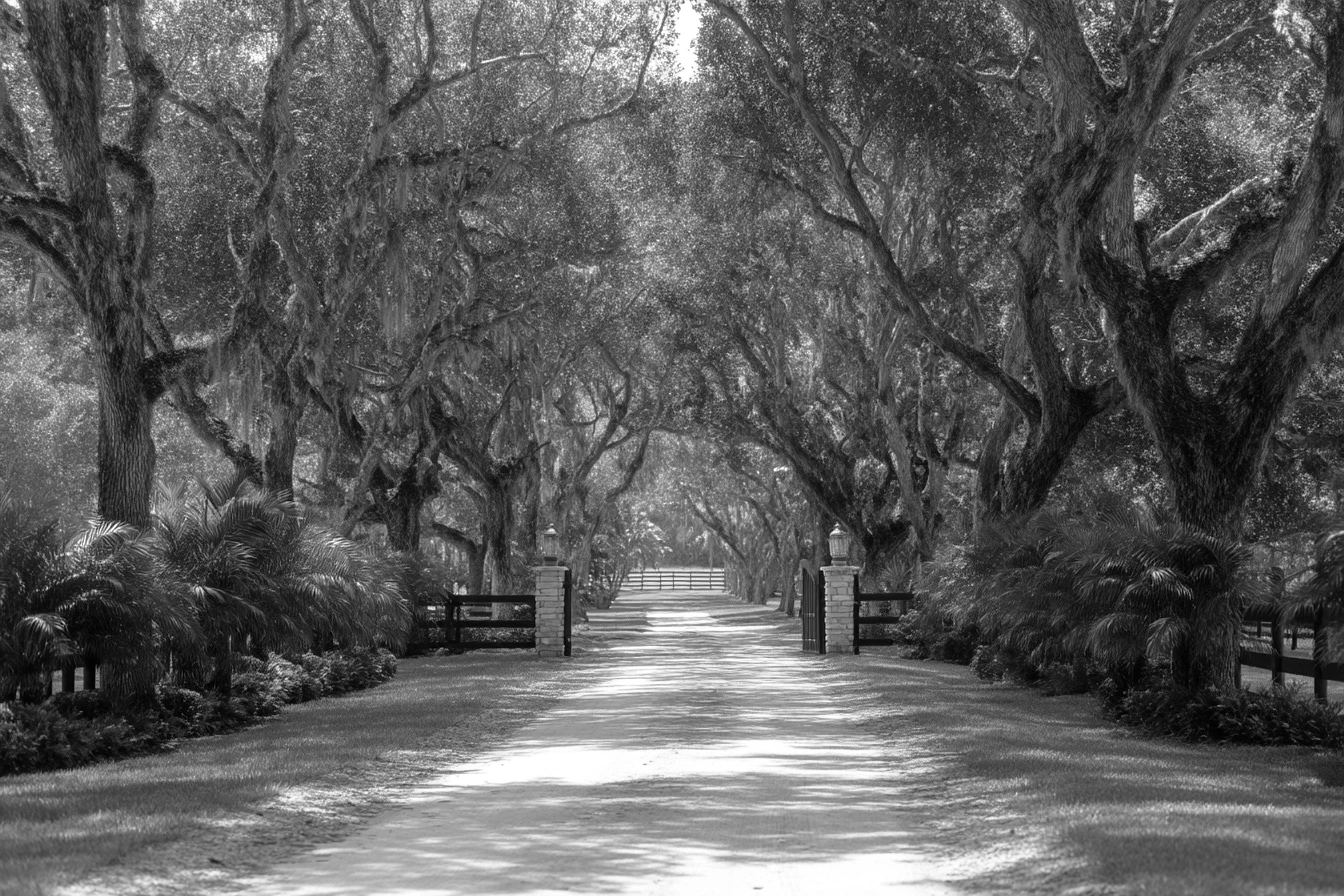
57 miles of maintained paths connecting equestrian communities directly to Wellington International. Riders can hack from barn to show ring without loading a trailer.
Strong public schools including Wellington High, Polo Park Middle, and Wellington Elementary. Village Green Park, the Wellington Aquatics Complex, and year-round youth programming.
Common Questions
What buyers and relocating families need to know about Wellington real estate, equestrian properties, schools, and taxes.
Wellington’s luxury market starts at approximately $2 million, where buyers access two distinct segments. Equestrian estates ($2M to $20M+) range from five-acre properties with basic barn facilities to turnkey professional compounds with covered arenas, multiple barns, and direct bridle trail access to Wellington International. At the $5M to $15M range, the market includes competition-grade facilities with 10 to 20 stalls, groom quarters, and staff housing. Above $15M, properties typically offer 10 to 25+ acres with the full infrastructure of a professional training operation.
Golf and country club estates ($2M to $8M) in communities like Palm Beach Polo, Wycliffe, and Wellington National offer four- to six-bedroom residences with club membership, golf course or lake views, and resort amenities. Polo-adjacent properties ($2M to $15M) near the International Polo Club serve seasonal patrons and hybrid equestrian/residential buyers. For current inventory, see our property search and Wellington market report.
Wellington’s equestrian communities are organized around proximity to Wellington International and the 57-mile bridle trail network. Grand Prix Village (gated, 3 to 5 acre lots, direct show access) is the closest to the competition grounds and commands the highest per-acre prices. Saddle Trail offers 5+ acre estates with established infrastructure near WEF. Palm Beach Point provides 10+ acre properties with lake frontage and more space between neighbors. Rustic Ranches features large-acreage estates for buyers prioritizing land. Wellington Preserve offers 50+ acre farms for the most private operations.
The primary value driver in equestrian Wellington is trail connectivity: properties connected to the show grounds by maintained trail command 20% to 40% premiums over comparable acreage without it. Buyers should also evaluate barn condition, arena footing, drainage, and whether the property can support the number of horses they intend to keep. Our equestrian properties page covers Wellington alongside other horse communities in the county.
Wellington’s luxury market includes a significant non-equestrian segment. Golf and country club communities like Palm Beach Polo ($2M to $8M), Wycliffe Golf and Country Club, and Wellington National attract buyers seeking estate-level living with full club amenities, strong schools, and Florida’s tax structure. These buyers are typically relocating from the Northeast and comparing Wellington against Jupiter and Palm Beach Gardens, where comparable homes cost 20% to 30% more.
The equestrian calendar does shape the village’s social season, dining scene, and cultural character from January through April, which many non-equestrian residents consider an asset rather than a limitation. Wellington’s school district, median household income (above $100,000), and community infrastructure make it one of Palm Beach County’s strongest family markets at any price point. Our neighborhood guide compares Wellington to other communities in the county.
The Winter Equestrian Festival (WEF) is the largest hunter/jumper competition in the world, running 13 weeks from January through March at Wellington International. The event features FEI-sanctioned international show jumping, hunter/jumper competitions, and dressage at the adjacent Equestrian Village. WEF awards over more than $15 million in prize money annually and draws competitors from 50+ countries, with hundreds of thousands of spectators across the season. Saturday Night Lights, the weekly Grand Prix held under stadium lighting, draws thousands of spectators and has become the signature Wellington social event.
WEF’s impact on real estate is direct: equestrian properties within riding distance of Wellington International see peak rental demand from January through April (see our seasonal rental FAQ below for specific pricing). The show circuit also supports Wellington’s restaurant, retail, and service economy, with the combined WEF and polo seasons contributing over $400 million to the local economy annually. For buyers evaluating equestrian properties as both lifestyle and income assets, WEF proximity is the single most important pricing variable. See our equestrian properties page for current listings.
The Palm Beach polo season runs from late December through early May at the International Polo Club Palm Beach, which hosts the nation’s highest-goal competitions culminating in the U.S. Open Polo Championship. Sunday afternoon matches are open to the public and have become a Wellington social tradition, with tailgating, brunch at the Pavilion, and a scene that draws spectators from across South Florida. The season overlaps with WEF, concentrating Wellington’s social and sporting calendar into a four-month window.
Wellington supports multiple polo training facilities and club grounds beyond the International Polo Club, making it the largest polo community in the United States. Properties in the polo corridor, particularly those near the International Polo Club on Lake Worth Road, benefit from proximity to both polo and show jumping venues. Buyers interested in polo-adjacent real estate should also review our equestrian properties and private club communities pages.
Wellington sits approximately 16 miles west of West Palm Beach, about 25 minutes by car. Palm Beach International Airport (PBI) is 20 minutes east. Worth Avenue and the Palm Beach coastline are roughly 30 minutes away. Fort Lauderdale International Airport is 45 minutes south via the Turnpike, and Miami International is approximately 90 minutes. I-95 and Florida’s Turnpike are both accessible within 15 minutes from most Wellington addresses.
Wellington’s inland location means buyers trade ocean proximity for acreage, privacy, and lower price-per-square-foot compared to coastal communities. For families splitting time between Wellington and the coast, communities in the eastern portion of the village (closer to the Turnpike) offer the most convenient access. Our neighborhood hub maps Wellington relative to other Palm Beach County communities.
Wellington property taxes are assessed by the Palm Beach County Property Appraiser at roughly 2% of assessed value for non-homesteaded properties, reflecting the Village of Wellington’s municipal millage on top of county and school district levies. Florida has no state income tax and no state estate tax (federal estate tax still applies). Homesteaded properties benefit from the Save Our Homes cap, which limits annual assessed value increases to the lower of 3% or the Consumer Price Index, creating meaningful tax savings over time.
For equestrian property owners, Florida’s agricultural classification can significantly reduce the tax burden on acreage actively used for bona fide agricultural purposes, including horse breeding and training. Properties qualifying for ag exemption are assessed based on agricultural use value rather than market value, which on a 10-acre equestrian estate can reduce the tax assessment on that acreage from market value to a fraction of it, often saving $20,000 to $40,000 annually depending on location and millage. Filing for homestead exemption through the Palm Beach County Property Appraiser must be completed by March 1 of the year following purchase.
Wellington is served by the School District of Palm Beach County, with multiple schools consistently earning top ratings. Notable public schools include Wellington Elementary, Citrus Grove Elementary, Polo Park Middle, Wellington Landings Middle, and Wellington High School. The school district consistently ranks among the top performers in Palm Beach County, which itself is one of Florida’s highest-performing large districts.
Private options include Conservatory Prep Senior High, which accommodates student-athletes with flexible scheduling. Palm Beach Day Academy (on Palm Beach Island) and The Benjamin School (in North Palm Beach) also draw Wellington families for elementary and secondary education. School zoning varies by address within Wellington, so buyers with school-age children should verify school assignments for specific properties. Our neighborhood guide includes school district context for each community.
Wellington’s investment case for luxury buyers rests on three structural factors: limited equestrian-zoned land within riding distance of Wellington International (creating scarcity comparable to waterfront in coastal markets), sustained demand from high-net-worth equestrian buyers competing globally for proximity to the show grounds, and a seasonal rental market where turnkey facilities command $30,000 to $100,000+ per month from January through April (see our seasonal rental FAQ below for pricing detail). Golf and country club properties benefit from a separate demand driver: families relocating from higher-tax states who compare Wellington favorably against Jupiter and Palm Beach Gardens on both price and school quality.
Equestrian properties near Wellington International have shown consistent appreciation, supported by the finite supply of trail-connected acreage. Buyers should factor in insurance costs, which have increased significantly across South Florida in recent years, and club or HOA assessments in gated communities. For current property search and equestrian listings, see our search pages. These observations reflect general market trends and should not be construed as investment advice.
Wellington’s seasonal rental market is one of the strongest in Palm Beach County, driven almost entirely by the equestrian show circuit from January through April. Equestrian properties with barn facilities, turnkey stall capacity, and proximity to Wellington International command the highest rents: $30,000 to $60,000 per month for mid-range facilities, and $60,000 to $100,000+ for large compounds with direct trail access, covered arenas, and groom quarters. Non-equestrian homes in desirable communities rent for $5,000 to $15,000 per month during the season.
The rental market creates an investment dynamic unusual in residential real estate: some equestrian property owners cover a significant portion of their annual carrying costs through four months of winter rental income. Properties must be properly configured for seasonal use (furnished, with functional barn operations and insurance in place), and lease terms typically align with the WEF calendar. For buyers evaluating Wellington properties with rental income potential, our team can provide comparable seasonal rental data. Contact us for current analysis.
Wellington’s origins trace to the 1950s, when Charles Oliver Wellington, a Massachusetts accountant and aviator, purchased 18,000 acres of swampland he called “Flying Cow Ranch” (after his initials, C.O.W.). The land was transformed into a planned community in the 1970s after developer Jim Nall acquired portions of the property. The Palm Beach Polo and Country Club opened in 1979, establishing the equestrian and polo identity that defines the community today.
Wellington incorporated as a village in 1995 and has since grown into Palm Beach County’s most populous village. The Winter Equestrian Festival, which began in 1976, has expanded from a regional show into the largest hunter/jumper competition in the world. The International Polo Club Palm Beach (originally Palm Beach Polo) has similarly grown into America’s premier polo venue. Together, these two institutions have transformed a former cattle ranch into the equestrian capital of the Americas, shaping every aspect of the village’s real estate market and culture.
For equestrian buyers, Wellington has no direct competitor in the United States. The combination of the Winter Equestrian Festival, 57-mile bridle trail network, International Polo Club, and concentration of professional training facilities is unique. Loxahatchee offers more acreage at lower price points but lacks maintained trail access, proximity to the show grounds, and established community infrastructure. Ocala provides a year-round equestrian community at lower cost but without the winter show circuit’s social and competitive advantages.
For non-equestrian luxury buyers comparing golf and club communities, the closest alternatives are Jupiter (ocean access, higher price points), Palm Beach Gardens (PGA corridor, more retail and restaurant infrastructure), and Boca Raton golf communities (established clubs, closer to Fort Lauderdale). Wellington’s advantage is pricing: comparable golf club estates typically cost 20% to 30% less than the same product in those markets. The tradeoff is distance to the coast. Our neighborhood hub provides side-by-side comparisons.
Wellington's equestrian estates require specialized knowledge of barn configurations, trail access, zoning, and seasonal rental dynamics. Our team also works with golf and country club buyers evaluating Wellington against coastal alternatives.