10 Pieces of Knowledge Only the Top 0.01% of Buyers Use

Buyer Intelligence

10 Pieces of Knowledge Only the Top 0.01% of Buyers Use

Nikko Karki
Nikko Karki November 29, 2025
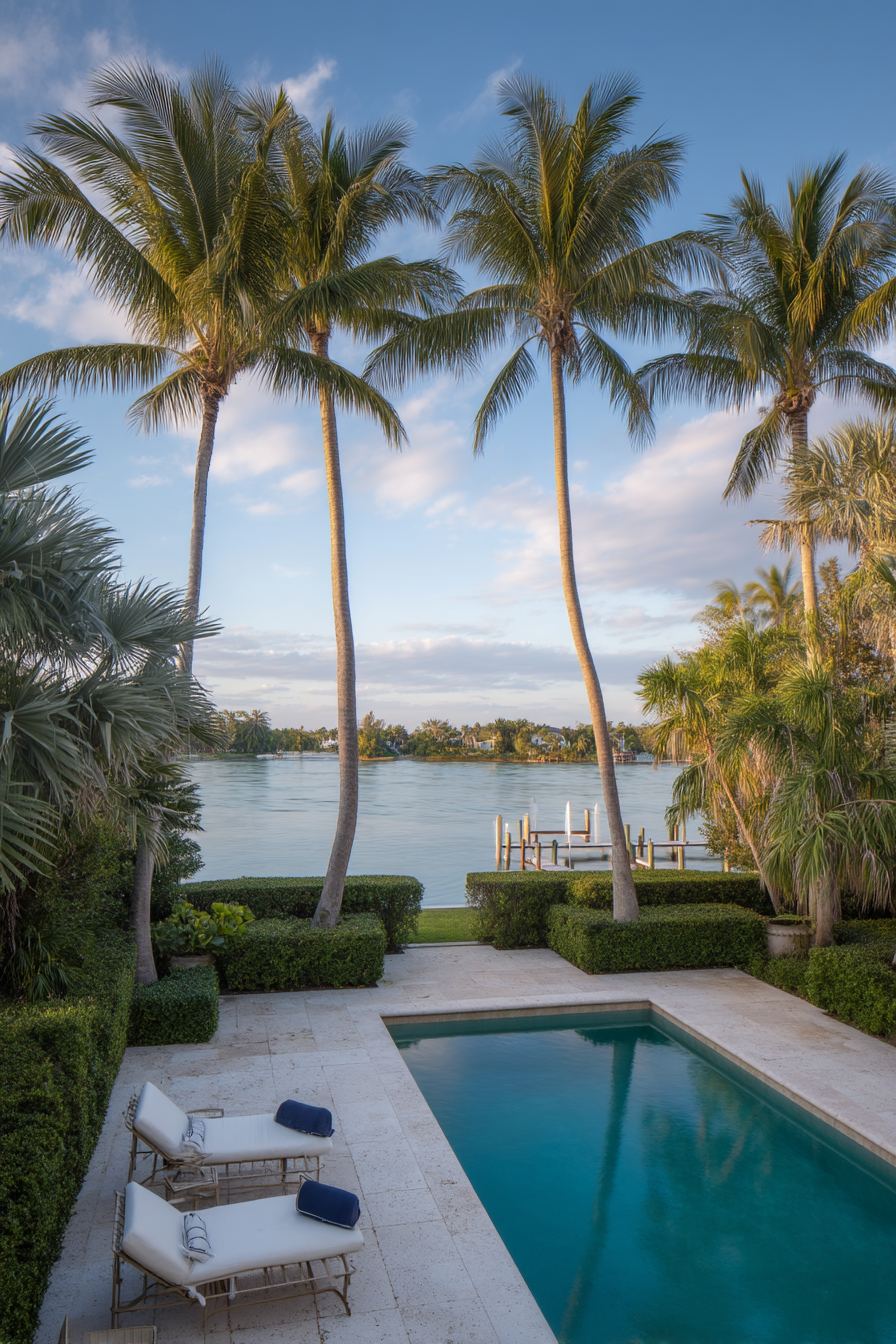
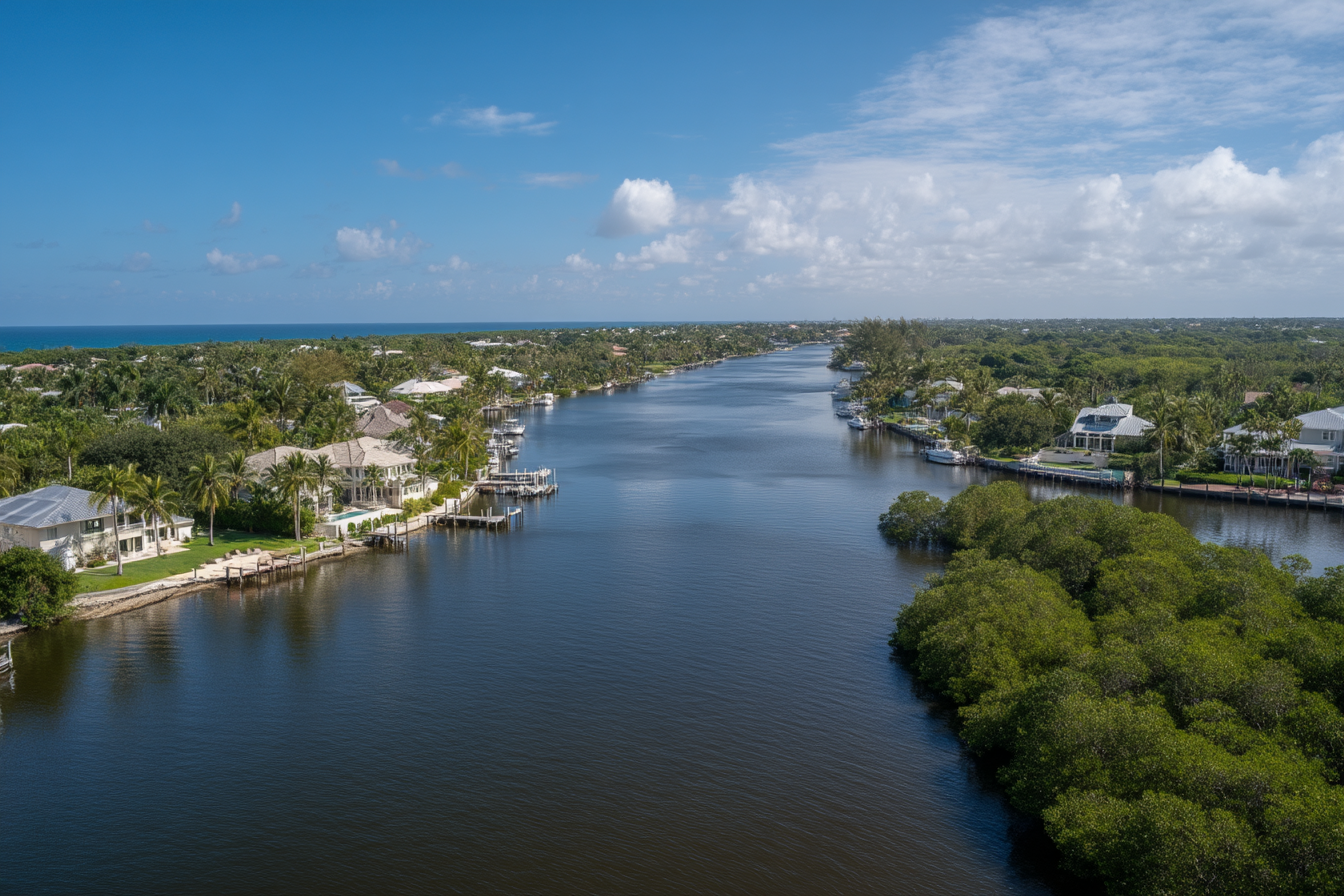
Palm Beach County waterfront at $10 million and above is, first and foremost, a lifestyle decision: the water, the vessel, the proximity to open ocean, the rhythms of daily life on the water. That is the reason to buy. But beneath the lifestyle, the variables that separate a purchase from a well-considered capital allocation are rarely visible in a listing photo. They live in the insurance file, the bridge clearance, the title structure, and the tax trajectory over your hold period. This guide covers the ten variables that well-informed principals and families use to ensure their satisfaction spans both: quality of use and the full administrative picture of ownership. The submarkets covered include Jupiter, Jupiter Island, North Palm Beach, Palm Beach Gardens, the North End of Palm Beach, and West Palm Beach.

What follows is built for buyers and sellers who want to understand how the market operates at this tier: how deals originate before they reach the public market, which waterfront attributes command outsized value and why, how insurance and tax strategy compound over a hold period, and what the most prepared families do differently from contract through the first 90 days of ownership.

Five Facts That Change How You Bid or Price

1
Private lanes set public prices. Office exclusives and quiet outreach shape comps long before they appear on the MLS.
2
Timing has a rhythm. The most desirable properties begin preparing for sale in the fall. Well-informed buyers position for previews before the public market activates.
3
Risk lives in the roof and the map. Roof age and geometry, wind mitigation, flood zone, and carrier appetite govern insurability and carry. Finish quality does not.
4
Your tax basis is a strategy. Homestead, the Save Our Homes cap, and portability compound savings if you title and time correctly.
5
Water creates micro-markets. Inlet behavior, bridge regimes, and canal depths can swing price per front foot more than finishes ever will.

I. Market Mechanics: How the Top of the Market Actually Moves

At the $10M-plus tier, scarcity, discretion, and deal psychology determine outcomes where price indices provide only partial visibility.

01
The Private-Price, Public-Print Effect

At the very high end, a meaningful share of deal flow begins off-market. Office exclusives allow a property to be shown within a brokerage while avoiding public marketing triggers, preserving discretion, protecting the seller's position, and preventing days-on-market from becoming a negotiating variable.

Buyer: Arrive with a discreet brief, proof of funds, and a signed NDA before previewing. Seller: Decide between private lane and public launch before listing; the two paths produce different buyer pools and different negotiating dynamics.

02
Demand Is Structural, But Timing Still Has a Rhythm

Executive relocations tied to finance, technology, and family office drive absorption year-round. At the $1M to $2M tier, seasonality has diminished as a material factor. At $10M and above, it has not. The majority of closings at the top of the market concentrate in Q1 and Q2. The properties that close in those windows begin preparation in the fall: documentation assembled, mitigation resolved, photography completed before the serious buyer pool activates in January. Well-informed buyers position for previews before the public market. Well-informed sellers build their timeline backward from that window.

Leading indicator: Class-A office leasing and corporate relocation announcements, not seasonal visitor counts. Timing indicator: Fall preparation activity among serious sellers signals Q1 and Q2 inventory before it reaches the market.

03
Comps Win. Aspirational Pricing Does Not.

In 2025, buyers at the $10M-plus tier pushed back on aspirational ask prices. The properties that traded did so on comp-supported numbers. Overpricing carries a measurable cost: accumulated days on market transfer leverage to the buyer, narrow the pool of serious interest, and often result in a final sale price below where a disciplined launch would have landed.

Sellers: List based on closed comps and current market conditions. The cost of overasking is not a slower sale; it is a lower sale. Buyers: Make targeted offers grounded in closed comps. Well-supported numbers are more persuasive than aggressive ones, and sellers who have done their homework recognize the difference.

04
The Waterfront Trifecta

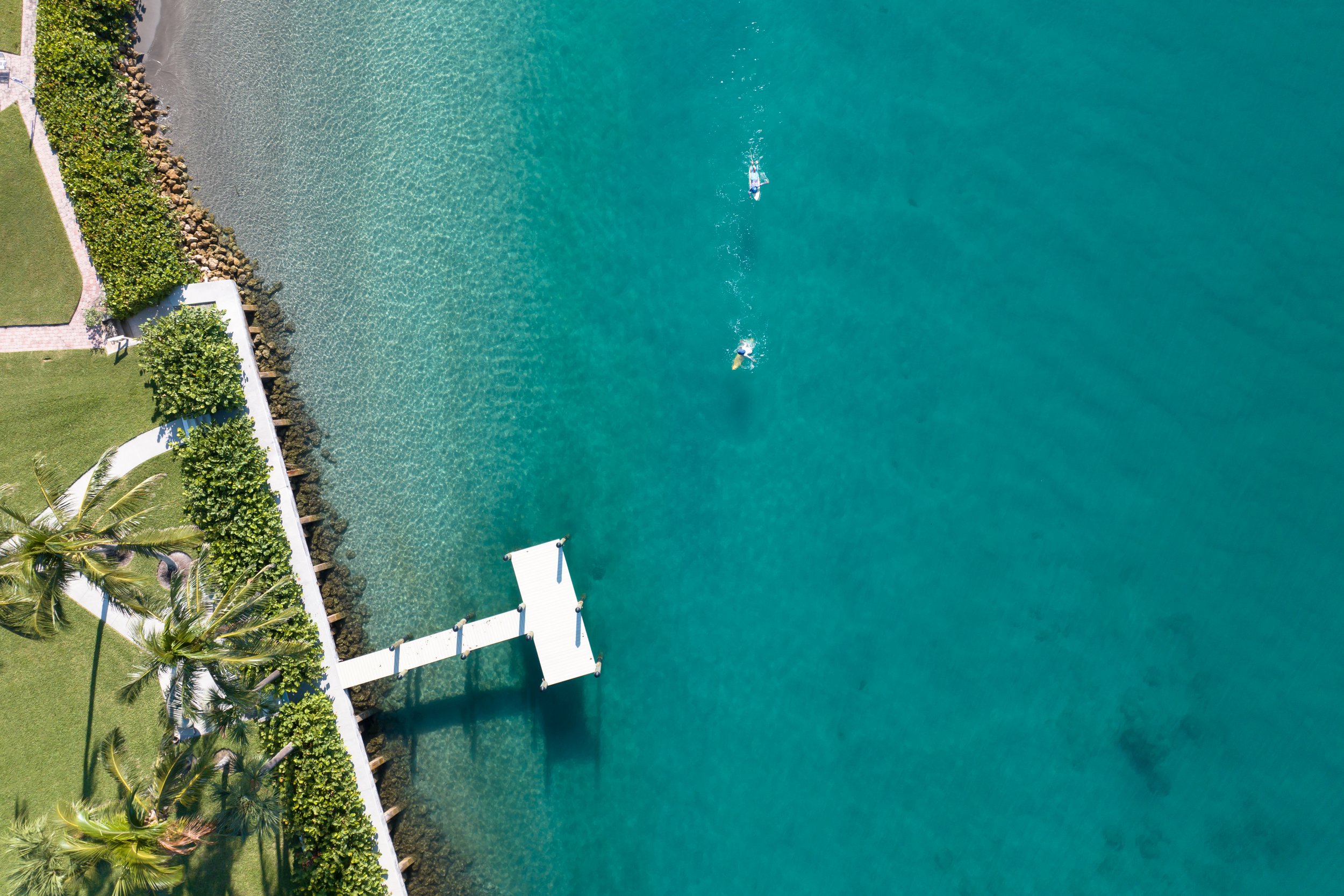
Three attributes carry outsized value at this tier: a deep-water dock, wide frontage (100 feet or more), and proximity to a major inlet with no fixed bridges between your dock and open water. Each matters for a specific reason. Fixed bridges are the most limiting constraint: they cap air draft permanently, which rules out tuna towers and most sportfish profiles. Shallow canals do the same from below. Distance to the inlet means a long run before ocean access. Palm Beach Inlet and South Lake Worth Inlet are the widest and most reliable passes. Jupiter Inlet works well for many vessels but has draft and shoaling variables. Boynton Inlet carries its own constraints. Match your search to the inlet your vessel requires.

Gating item: Confirm all three variables before you tour. A property that checks two but misses one is a fundamentally different asset at resale.

II. On the Ground: Where the Details Decide

Each submarket has distinct geometry, zoning constraints, and maritime profile. Every address requires individual verification.

North County Submarket Reference
SubmarketKey AttributesWhat to Verify
Jupiter and Jupiter Inlet ColonyA boating-oriented market ten minutes from the inlet and twenty from the open Atlantic. Protected river frontage, established neighborhoods, and proximity to Gulf Stream fishing characterize the appeal. The Loxahatchee River corridor and the Inlet Colony offer distinct characters at different price points.Match your vessel profile to the specific address. Bridge clearance, canal depth, and dock configuration vary meaningfully from one street to the next. Details in Section III.
Jupiter IslandUltra-low-density. Large parcels, strict setbacks, and protected shoreline. Comp sets are thin and require hand-built adjustments.Price per linear foot of protected water and per unit of privacy. Dune condition and view corridor drive value more than square footage.
North Palm Beach and Palm Beach GardensBridge regimes and turning radii in canal systems determine whether your yacht lives at your dock or at a marina. Fixed bridges cap air draft permanently; bascules open on schedule but add transit time.Measure air draft before touring. A single clearance miss changes the entire use equation.
North End of Palm BeachLagoon frontage lots trade on wake exposure, proximity to the inlet, and view corridor quality. Year-round executive base from West Palm Beach widens the buyer pool.Assess commute by water and by car. Wake exposure from vessel traffic affects dock utility and outdoor programming.
West Palm Beach WaterfrontWaterfront comps along Flagler Drive are narrowing the gap to Palm Beach Island pricing, driven by Class-A office expansion and permanent executive teams relocating across the Intracoastal. Interior lots are appreciating on the tail end of this wave as the waterfront premium compresses.Compare Flagler waterfront closed comps against current Palm Beach Island ask prices. Track interior lot appreciation for relative value. Demand here is year-round and increasingly decoupled from seasonal patterns.

III. Waterfront and Access Notes

Seller representations and listing narratives are not a substitute for a captain's route check and a sonar log.

Inlets
Jupiter vs Lake Worth

Jupiter Inlet is dynamic; shoaling conditions vary by season and wind set. The inlet authority dredges routinely, but conditions are not static. Lake Worth Inlet (Palm Beach Inlet) is a deeper, more consistent all-weather pass suited to larger yachts with deeper drafts.

Match inlet to hull: Shallow-draft center consoles suit Jupiter. Deep-draft yachts benefit from Lake Worth's reliability.

Bridges
Clearances and Timing

Fixed bridges are permanent constraints on air draft. Bascule bridges open on published schedules but add transit time and require planning around openings. Every route to the inlet passes through a specific sequence of spans, and the lowest one sets the ceiling for your vessel.

Before the offer: Measure air draft and map every bridge on your route to the inlet. Confirm clearances on site, not from listing descriptions.

Canals
Controlling Depths

Residential canals commonly run 4 to 6 feet at mean low water. Depth varies within the same system based on sediment accumulation and dredging history. Seller representations are not verification.

Verify: Captain's run, tide tables, and sonar before the appraisal clock starts.

Dockage
Linear Feet Are Not Everything

Linear footage is the starting point. Turning basin, beam clearance, pile placement, and fendering geometry determine actual usability for your vessel.

Before the appraisal: Captain's route check plus marine contractor walkthrough, not after.

IV. Buyer and Seller Playbook

Preparation determines which off-market inventory surfaces to a buyer. On the sell side, sequence controls whether the seller sets the comp or concedes it.

For Buyers
The Off-Market Process, Palm Beach Edition
For Sellers
Precision Pricing and Privacy
1Buyer Brief. Define neighborhood, ocean-route requirements, vessel constraints, and title structure before reaching out. Clarity surfaces off-market inventory; ambiguity does not.
1Choose Your Lane. Private lane or public launch: different buyer pools, different negotiating dynamics. This is a strategy decision, not a preference.
2Proof of Funds. Assemble a banker's letter and sign NDAs before previewing. Sellers at this tier vet buyers as carefully as buyers vet properties.
2Pre-Photo Preparation. Resolve deferred items on the roof, openings, generator, and dock before photography. The first print sets the comp for the submarket; every unresolved item becomes a negotiating variable.
3Office Exclusives. Use quiet brokerage previews to access inventory before days-on-market accumulates.
3Lead with Insurability. A documented mitigation package, current roof, and clean carrier quotes remove buyer hesitation before it becomes leverage. Assemble before listing.
4Total Cost of Ownership. Underwrite insurance (with wind-mitigation credits), flood zone, and taxes under both homestead and non-homestead scenarios before any offer.
4Vet Buyers. Require NDAs and proof of funds before all tours. Discretion on both sides protects the transaction and both principals.
5Captain's Run. Inlet behavior, bridge timing, and controlling depth for your specific vessel before the appraisal clock starts.
5Protect the Narrative. Days-on-market is a liability. Limit public exposure to windows of genuine demand; each additional day transfers leverage to the buyer.
6Roof and Mitigation. Inspect for roof age, deck attachment, secondary water barrier, and rated openings. Mitigation certainty outperforms cosmetic asks in negotiation.
6Exit Math. Plan documentary stamps, any entity considerations, and post-closing obligations before the offer is signed. These affect net proceeds materially and cannot be addressed after the fact.
7Title Structure. Model personal, trust, and entity ownership before drafting the offer. Homestead eligibility and tax trajectory diverge materially across these structures.
7Compile the Due Diligence Package. Wind-mitigation report, roof certification, 4-Point inspection, and carrier quotes before listing. Presenting these upfront compresses the buyer's diligence timeline.
8Offer Construction. Shorter inspection windows with pre-arranged specialist access. Certainty of close wins ties more reliably than price alone.
8Post-Closing Obligations. Plan entity wind-down, deed recording, and maintenance schedules before the offer is executed. Net proceeds depend on getting these right before closing.
9Post-Closing Calendar. Set homestead and portability deadlines at closing. Schedule mitigation upgrades in the first 60 to 90 days; these windows do not extend.
9Engineer the First Print. Transaction-ready before photography: insurability confirmed, dock inspected, all deferred items resolved. The first print is the only print.

V. Risk and Insurance Realities

Florida homeowners insurance at the $5M-plus tier runs $50,000 to $150,000 annually before mitigation credits, and the carrier market has shifted materially since 2022. These variables belong in underwriting before any offer.

Six Insurance Variables to Underwrite Before You Bid

01
Wind-mitigation credits: Hip geometry, enhanced roof-deck attachment, secondary water barrier, and rated openings can materially reduce premiums. Document with a wind-mitigation inspection before the offer is written, not after.
02
4-Point and roof condition: For older homes, carriers focus on electrical, plumbing, HVAC, and roof. Roof age and condition both matter; recent underwriting form updates reflect stricter standards that can affect insurability entirely.
03
Flood mapping: Recheck FEMA flood zones for every target address. Prior assumptions from older listings often do not survive current remapping. Do not rely on seller representations of flood zone status.
04
Grant and inspection programs: Programs such as My Safe Florida Home can offset mitigation costs when available. Eligibility and funding vary year to year; verify current availability before budgeting for mitigation work.
05
Conservative scenario budgeting: Price two coverage scenarios at offer stage. Plan mitigation work in the first 60 to 90 days after closing, not at policy renewal.
06
Specialist broker: The carrier landscape is not static. A specialist surfaces options a generic quote engine will not find, particularly for higher-value properties in coastal flood zones.
The Mitigation Negotiation Advantage

A buyer with a completed wind-mitigation inspection can price credits into the offer and present a carrier pre-quote alongside proof of funds. Confirmed insurability is a more reliable negotiating tool than a higher dollar amount with unknown carry.

VI. Tax Strategy: Homestead, Save Our Homes, and Portability

The homestead application is due March 1; portability transfers expire after three years. Model the tax trajectory before the offer.

Three Tax Mechanics That Compound Over Time

01
Homestead and the Save Our Homes cap: Homestead reduces assessed value and locks annual assessment increases to the lesser of 3% or CPI. Over a 10-year hold the compound effect is material. Missing the March 1 deadline costs a full year.
02
Save Our Homes portability: Transfer up to $500,000 of accumulated assessment differential from a prior Florida homestead to a new one, provided the new homestead is established within three years. File the DR-501T portability form by March 1.
03
Build two pro formas before you bid: One with homestead and the Save Our Homes cap compounding over your hold period. One without. The delta is often larger than expected, and the choice is difficult to reverse after closing.

VII. Title Structure and Privacy

How you hold title determines homestead eligibility, assessment trajectory, and the degree of privacy you achieve. These decisions are difficult to reverse after closing.

Two Ownership Variables to Decide Before Drafting the Offer

01
Entity versus personal title: Personal name or qualifying trust is generally homestead-eligible. Title held in an LLC is generally not eligible for homestead or the Save Our Homes cap. Florida land trusts provide a privacy middle ground, but the privacy benefit should be weighed against tax savings before deciding.
02
Privacy best practices: Deeds are public records; privacy depends on how ownership is structured. Banks and title companies perform KYC checks regardless of structure. Understand precisely what each structure obscures and what it does not.

VIII. Palm Beach vs New York

Buyers from the Northeast often arrive with a mental model built on New York pricing mechanics. Four variables break that model in Palm Beach County.

FactorPalm Beach CountyNew York / Northeast
Cost of CarryNo state income tax plus Save Our Homes produces compounding carry stability no Northeast market matches.State and city income tax with no assessment stability tools. Carry costs compound against net returns on longer holds.
Liquidity ProfileFewer trades, but curated networks and off-market previews compress time-to-match for well-prepared properties.Deeper transaction volume with broader buyer pools and stronger public comp sets. More price discovery, less discretion.
Closing CadenceClosings move faster when insurability is confirmed and title structure is decided at offer stage, not during diligence.Longer diligence timelines. Co-op board processes add weeks in Manhattan. Denser title and attorney involvement.
Water AccessBridge regimes and inlet reliability drive larger value gaps here than in most Northeast markets. Route-to-ocean feasibility is a primary value driver, not a secondary one.Bridge clearances and inlet conditions are less operationally significant for the Northeast boating profile. This advantage does not transfer.

IX. The First 90 Days After Closing

The period between closing and day 90 contains every deadline that compounds and every window that does not reopen. Treat it as a project plan, not a settling-in period.

Five Actions That Cannot Wait

01
File homestead by March 1. If you close after January 1, the filing applies to the following tax year. Calendar the deadline at closing. Missing it costs a full year of Save Our Homes accumulation that does not compound retroactively.
02
File portability if transferring from a prior Florida homestead. The DR-501T form carries the same March 1 deadline. Up to $500,000 in accumulated SOH savings can transfer, but only within three years of abandoning the prior homestead. Coordinate with your CPA and attorney before closing, not after.
03
Execute mitigation upgrades in the first 60 days. Roof, openings, and mechanical relocation completed early unlock premium reductions at your first policy renewal. Waiting until renewal to begin the work means paying the higher premium for a full additional cycle.
04
Bind final insurance within the lender's required window. If you closed with a binder, convert to the permanent policy promptly. Confirm flood, wind, and liability coverage amounts with your specialist broker. A lapse between binder and permanent policy creates closing-level risk after you already own the asset.
05
Commission dock and seawall inspections. If diligence focused on route-to-ocean and bridge clearance, the first 90 days are when you verify pile condition, lift capacity, and shore power under actual use. Schedule marine contractor walkthroughs before committing to vessel upgrades.

X. Waterfront Due Diligence Checklist

Each item surfaces a risk you can price, or removes one before it becomes leverage for the other side.

Ten-Step Waterfront Due Diligence Sequence

01
Confirm FEMA Flood Zone and Base Flood Elevation
Pull the Elevation Certificate for the specific address. Prior assumptions from older listings often do not survive current remapping.
02
Order a Wind-Mitigation Inspection
Order at offer stage, not inspection. Price insurance credits based on roof geometry, rated openings, and deck attachment before writing the offer.
03
Obtain a 4-Point Inspection
If home age or carrier requirements apply, address roof condition and the other three systems before your offer creates a contingency the seller can use against you.
04
Run a Captain's Route Check
Inlet behavior, tide windows, and every bridge clearance for your intended vessel. Confirm controlling depths at mean low water.
05
Verify Canal Controlling Depths Independently
Use sonar. Depth varies within the same canal system based on sediment and dredging history. Seller representations are not verification.
06
Assess Dock Usability
Turning basin, beam clearance, pile spacing, and a fendering plan suited to your vessel. Linear footage alone does not confirm the dock works for your boat.
07
Pre-Model Insurance with a Specialist Broker
Identify mitigation work to execute post-closing and build it into your hold-period budget before the offer.
08
Decide Title Structure Before Drafting the Offer
Personal, trust, or entity: homestead eligibility, privacy, and tax trajectory all depend on this decision and are difficult to reverse after closing.
09
Calendar Homestead Filing and Portability Deadlines
March 1 for homestead. Three-year window for portability transfer. These deadlines do not extend and savings do not compound retroactively.
10
Build a 36-Month Total-Cost-of-Ownership Projection
A base case and a high case for insurance, taxes, maintenance, and carry. Every variable in this checklist feeds this number, and this number tells you what you are actually buying.

Bottom Line

The buyers who close at this tier are not the ones who bid highest. They are the ones who arrived prepared: vessel feasibility confirmed, insurance modeled, title structure decided, tax trajectory projected over the hold period, proof of funds verified. That preparation does not just win offers — it surfaces inventory that never reaches the wider market.

For buyers relocating to Palm Beach County: Arrive with a discreet brief, pre-underwritten insurance, title structure decided, and proof of funds verified. Underwrite two tax scenarios — homestead and non-homestead — before your first showing. The preparation that surfaces off-market inventory is the same preparation that closes a competitive offer: certainty of close, not the highest number.

For sellers at $5M+: Serious buyers at this tier evaluate documentation before they evaluate finishes. A property with a current wind-mitigation report, confirmed route-to-ocean, carrier-ready coverage, and clean permits rises to the top of that review. Assemble the full package before photography. Every day spent resolving diligence gaps on market transfers leverage to the buyer.

For both sides: The variables that separate outcomes are all knowable before the offer is written — insurance posture, waterfront feasibility, tax trajectory, and title structure. None require negotiation. All require preparation.

This article is informational and does not constitute legal, tax, or insurance advice. Consult qualified professionals before making any decision. References to market dynamics and buyer behavior reflect practitioner observation across BeachesMLS closed data and are directional characterizations, not formal statistical extracts. Figures vary by submarket and period and should not be applied to individual property underwriting without direct comp analysis. Navigational data (bridge clearances, canal depths, inlet conditions) requires individual address-level verification and changes over time. Insurance premium ranges are illustrative and vary materially by property, carrier, and coverage structure. Tax mechanics reflect Florida statutes as of publication; consult a Florida-licensed CPA or attorney before making any titling or homestead decision.

Home Price and Appreciation: FHFA House Price Index, fhfa.gov. Florida Realtors Market Reports, floridarealtors.org.

Economic Drivers and Relocation: Business Development Board of Palm Beach County, bdb.org. BDB Wall Street South Migration Report, bdb.org.

Flood, Insurance, and Mitigation: FEMA Flood Map Service Center, msc.fema.gov. Florida OIR Wind Mitigation Resources, floir.com. Citizens Property Insurance Wind Inspection, citizensfla.com. My Safe Florida Home Program, mysafeflhome.com.

Waterfront Access and Navigation: Jupiter Inlet District, jupiterinletdistrict.org. Florida Inland Navigation District Bridge Guide, floridainland.org. NOAA Coast Pilot, nauticalcharts.noaa.gov.

Tax Mechanics: Palm Beach County Property Appraiser, Homestead, pbcpao.gov. Palm Beach County Property Appraiser, Portability, pbcpao.gov. Florida DOR Save Our Homes Brochure, floridarevenue.com.

Privacy and Ownership: Florida Land Trust Act 689.071, leg.state.fl.us. FinCEN Beneficial Ownership Information, fincen.gov.

Nikko Karki
Written by

Nikko Karki

Nikko Karki holds an M.Sc. in economics from Helsinki School of Economics and has been in real estate for nearly two decades. He spent his early career on the developer side at Related Group in West Palm Beach, running the analysis behind the region's largest luxury projects. He has since worked on residential, commercial, and hospitality projects across the U.S., Europe, and Southeast Asia. He built this platform so that buyers and sellers could have better real estate outcomes through better analysis, for free.
About our team →
Palm Beach Luxury

Every article we write is built on the same research we use to advise our clients. If anything here sparked your interest, we'd welcome a conversation.

Start a Conversation