
The Matched Segment
The honest comparison between these neighbors is the million-dollar-and-up condominium, the product that makes up most of the luxury market in each town. That means 349 Singer Island closings against 123 in Juno Beach since 2021, drawn from every recorded sale in both towns and deduplicated across feeds. Houses play a small part on this stretch of coast. The two towns combined recorded fewer than two hundred million-dollar house sales over the same period. In each town houses have sold within ten percent of condominium prices per square foot. Condominiums are the market that matters here.
One Price, Five Minutes Apart
Pooled across five years, the two towns are priced like a single market: $781 per square foot on Singer Island, $753 in Juno Beach, a spread of under five percent. The yearly medians move around because Juno Beach records only a handful of qualifying sales in any single year. Each town has posted the higher annual figure at least once, and neither has held a lasting premium over the other. You might expect Singer Island's direct oceanfront towers to command a premium for their views. In practice, Juno Beach's tight supply and newer low-rise buildings offset that advantage. The practical point for buyers is that moving from one town to the other saves nothing on price. The decision can rest on the two things that genuinely separate these markets: speed and product.
Source: Beaches MLS closed sales, deduplicated
Half the Wait in Juno
Time on market is the first big difference. Juno Beach's luxury condominiums have sold in a median of 28 days against Singer Island's 52, a gap that has held in every recent year and follows directly from supply. Singer Island's corridor holds thousands of units across more than a dozen towers, so a buyer's alternative to any listing is the listing next door, and sellers wait accordingly. Juno Beach's smaller stock puts only a handful of luxury listings on the market at a time, and the well-priced ones go under contract within a month. In Juno Beach, an overpriced listing becomes obvious quickly because the accurately priced ones sell within weeks. On Singer Island, even accurate pricing usually means a longer wait.
What the Same Money Buys
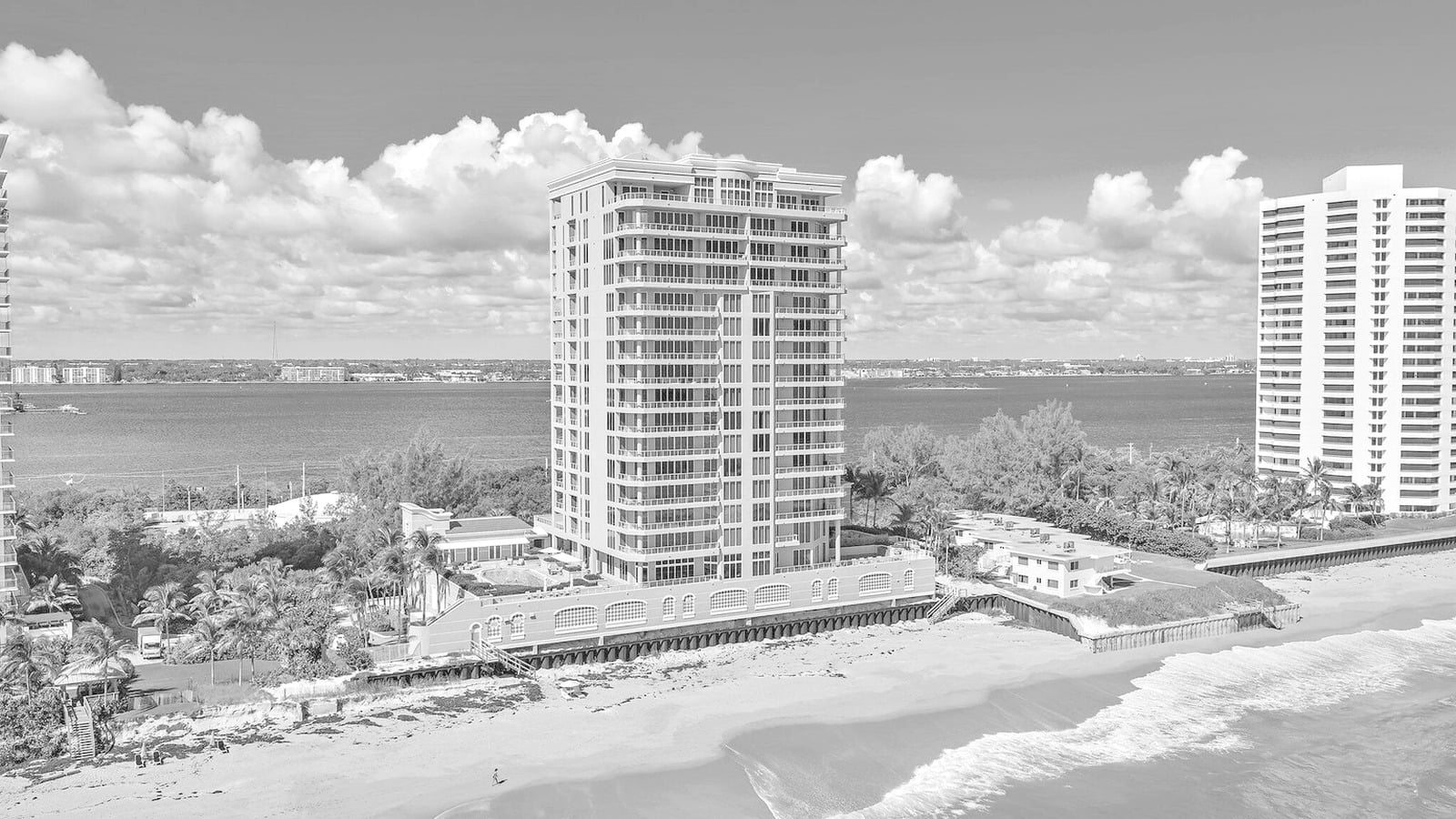
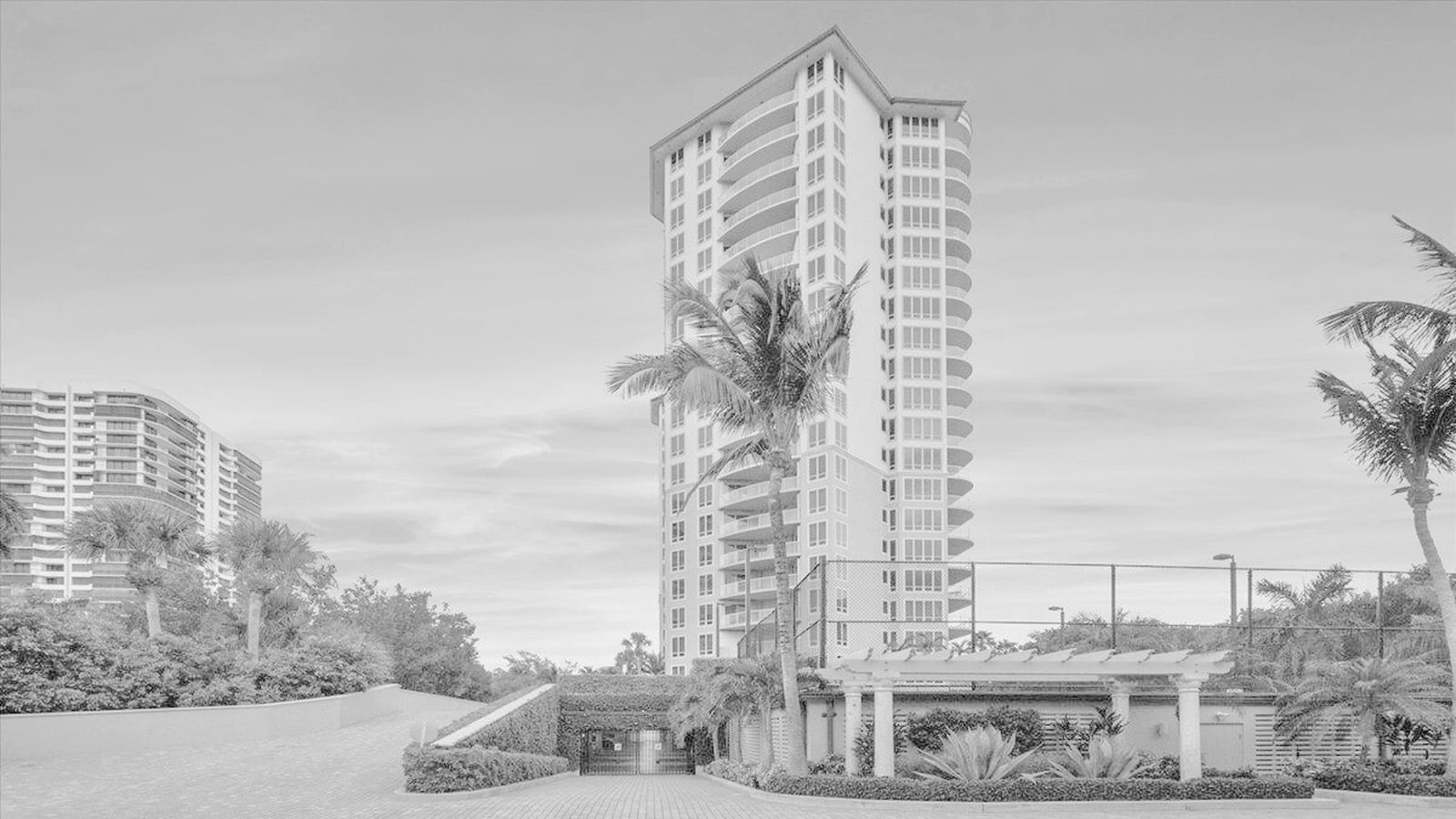
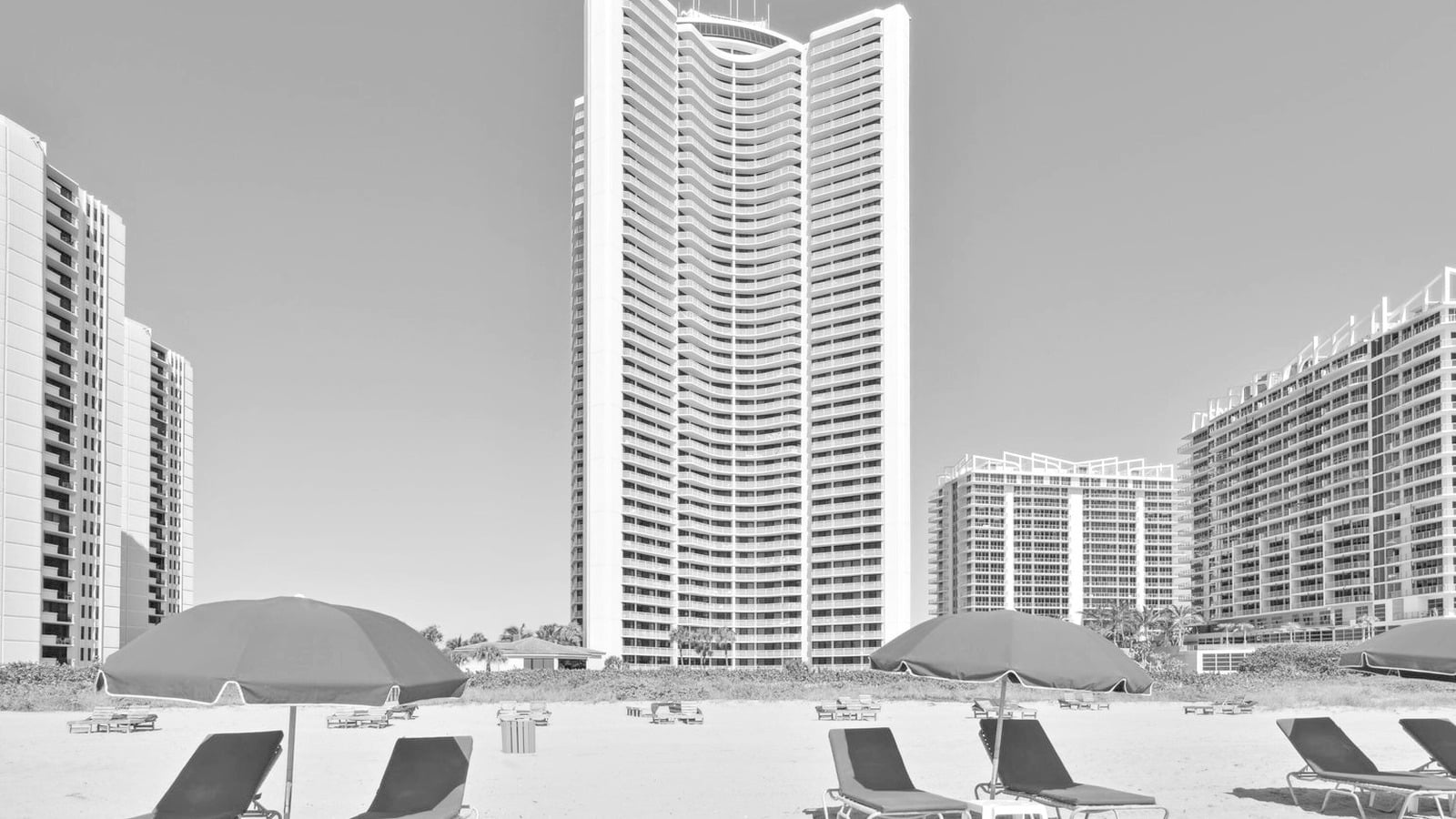
The second difference is the product itself. Singer Island is the county's purest tower market: direct oceanfront high-rises that run from the boutique buildings of the 1970s to newer projects like VistaBlue. The towers offer balconies over the sand and carry the larger maintenance budgets that come with vertical living. Juno Beach is a town that happens to touch the same beach: low buildings, 112 townhouse sales in the same five years, streets that end at the dune, and a scale that feels residential rather than resort. The same million and a half dollars buys a high floor and a long ocean view on Singer Island. In Juno Beach it buys a two-story address a short walk from the pier. The two purchases have almost nothing in common except the price.
Which Beach Fits Which Buyer
Buy on Singer Island for the ocean itself: the unobstructed view, the deepest selection at every price point, and a resale market with 3 times as many sales. Buy in Juno Beach for the town: the low skyline, the faster and tighter market, and a beach-village address that has nearly vanished from the county. The county market outlook describes the same shortage of oceanfront land across the whole coast, and these two towns show it in miniature. The result is nearly identical pricing, opposite products, and a decision that comes down to how you want to live at the beach.
Source: Beaches MLS closed sales, deduplicated, medians throughout
Bottom Line
Luxury condominiums on Singer Island and in Juno Beach close within five percent of each other per square foot, and the two markets differ on almost everything else. Singer Island offers 3 times as many sales and a median wait of 52 days. Juno Beach offers half the wait and a fraction of the selection. Because the prices match, the decision comes down to the product.
For buyers choosing between the two: Decide on the product first, a tower or a town, then shop that market. Singer Island gives you time and selection. In Juno Beach, the right listing sells quickly, so be ready to move when it appears.
Matched segment: condominiums closed at one million dollars and above, January 2021 through May 28, 2026, 349 Singer Island and 123 Juno Beach sales after deduplication across MLS feeds, drawn from every recorded sale in both towns. Medians throughout. Per-square-foot figures use recorded living area. House and townhouse counts appear for product context. Juno Beach records only a small number of qualifying condo sales each year and its yearly medians shift with the mix of what sold. The comparison therefore relies on pooled five-year figures rather than single years.
Source: Beaches MLS closed-sale records via direct feed access.