 Contact Contact
America's Most Prestigious Address
From Estate Section oceanfront mansions to In-Town residences steps from Worth Avenue. A 16-mile barrier island, historic Mizner architecture, and some of the most expensive residential real estate in America.

Palm Beach, 33480
Palm Beach, 33480
Palm Beach, 33480
Palm Beach, 33480
Palm Beach, 33480
Palm Beach, 33480
Palm Beach, 33480
Palm Beach, 33480
Palm Beach, 33480
Palm Beach, 33480
Palm Beach, 33480
Palm Beach, 33480
Palm Beach, 33480
Palm Beach, 33480
Palm Beach, 33480
Palm Beach, 33480
Palm Beach, 33480
Palm Beach, 33480
YOUR SEARCH
Tell us your priorities and we will build a curated selection, including off-market opportunities you will not find on any portal.
One conversation. A shortlist built around your priorities. Access to inventory that never goes public.
Get Private Access →The Definitive Guide
Palm Beach is a barrier island in Palm Beach County, Florida, with approximately 2,200 residential parcels and virtually no developable land remaining. The year-round population of roughly 8,800 swells to over 25,000 during “the season” (January through April). Henry Flagler first developed the island in the 1890s, and it has attracted prominent American families ever since.
The Town of Palm Beach encompasses just 3.86 square miles of land area, yet within this compact geography lies some of the most valuable residential real estate in the country. The median single-family home price is approximately $18.5 million based on closed transaction data, with oceanfront estates in the Estate Section regularly trading between $30 million and $150 million. The highest recorded residential sale on the island exceeded $170 million, reflecting a market where trophy properties trade at prices found in only a handful of U.S. markets.
Connected to the mainland city of West Palm Beach by three bridges (Flagler Memorial, Royal Park, and Southern Boulevard), Palm Beach offers residents easy access to Palm Beach International Airport (approximately 15 minutes), hospitals including Good Samaritan Medical Center (5 minutes across the bridge) and Jupiter Medical Center (25 minutes north), and the cultural amenities of the broader county while maintaining its distinct island character.
What distinguishes Palm Beach from comparable luxury markets, including Aspen, the Hamptons, and Beverly Hills, is its social infrastructure. The island is home to over 60 private clubs, more per capita than any other American community, including institutions like The Everglades Club (founded 1918), Bath and Tennis Club, Beach Club, and the Sailfish Club. Membership in these clubs often proves more challenging to secure than purchasing property itself, with waiting lists spanning years and rigorous vetting processes.
History & Heritage
The history, social fabric, and institutions that shape the island's real estate market.
Palm Beach’s transformation from a remote barrier island to the country’s preeminent luxury address began when railroad magnate Henry Morrison Flagler extended his Florida East Coast Railway to the area in 1894. Flagler constructed the Royal Poinciana Hotel, then the world’s largest wooden structure, followed by The Breakers, establishing Palm Beach as the winter destination for America’s industrial titans.
The 1920s marked Palm Beach’s architectural golden age when architect Addison Mizner arrived and introduced his distinctive Mediterranean Revival style. Mizner’s designs, characterized by stucco walls, barrel tile roofs, arched doorways, and interior courtyards, defined the Palm Beach aesthetic that continues today. His El Mirasol estate (now demolished) and the Everglades Club building remain touchstones of the era.
Throughout the 20th century, Palm Beach attracted families whose names define American industry and finance: the Kennedys, Pulitzers, Posts, and Lauders among them. This concentration of accomplished families created a social fabric unlike any other American community, one that persists today through the island’s club system and seasonal social calendar.
This architectural legacy is actively protected. The Town’s Architectural Commission reviews all exterior modifications, and many properties carry landmark designations that limit alterations. Buyers should expect the commission approval process for renovations or new construction to take six months or longer.
Palm Beach’s over 60 private clubs form the backbone of the island’s social structure, not merely its recreational infrastructure. The Everglades Club, founded by Paris Singer in 1918 and designed by Addison Mizner, remains the island’s most prestigious institution, with membership conferring automatic social standing. The Bath and Tennis Club offers oceanfront tennis and casual dining; the Beach Club provides intimate ocean access; the Sailfish Club serves the yachting community.
Golf clubs including The Breakers Ocean Course, Palm Beach Country Club, and the Gulf Stream Golf Club offer championship layouts alongside membership in circles that transcend sport. These institutions operate with interconnected membership dynamics; acceptance at one club often opens doors at others, and sponsorship typically requires existing member relationships.
The social season transforms the island as seasonal residents return and the population triples. Charity galas, art shows, and private dinners fill the calendar, with events at institutions like The Society of the Four Arts and the International Red Cross Ball defining the social agenda. This seasonal rhythm influences real estate activity, with peak transaction volume typically occurring from October through March.
Market Intelligence
Current market conditions, price trends, and inventory analysis for informed decision-making.
The Palm Beach real estate market operates unlike any other in the United States, characterized by limited inventory, discretionary buyers, and price points that create dynamics distinct from the broader housing market. With stringent development restrictions preventing new supply and virtually no buildable land remaining, the fundamental supply and demand dynamic favors sellers in most market conditions.
Current market conditions reflect constrained inventory, with active listings hovering around 350 properties across all price points. Single-family homes represent the most constrained segment, with roughly 100 to 150 homes typically available at any given time. This scarcity drives premium pricing: price per square foot ranges from $1,500 in older condo buildings to $5,000+ for oceanfront Estate Section properties.
The season sees peak activity as seasonal residents return and the population swells from 8,800 to over 25,000. However, buyers increasingly find value opportunities in the off-season months when competition is reduced and sellers may demonstrate more flexibility.
For the most current data, visit our Palm Beach Market Report page, updated monthly.
The Palm Beach Lifestyle
Private clubs, cultural institutions, and a seasonal social calendar that drives both lifestyle and real estate timing.
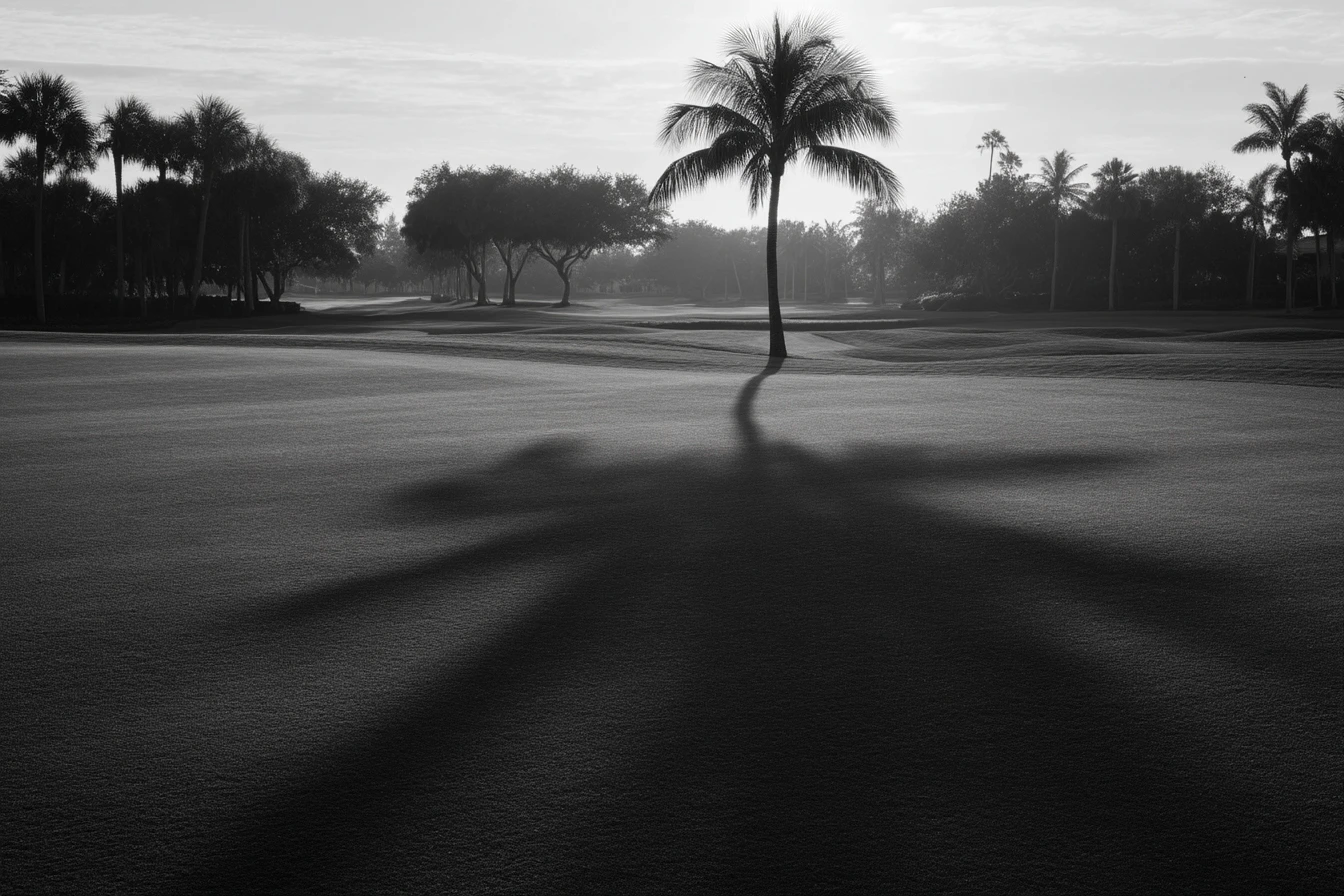
The Everglades Club, Bath and Tennis Club, Beach Club, and dozens of other private institutions define the seasonal social calendar and provide the primary framework for establishing connections on the island.
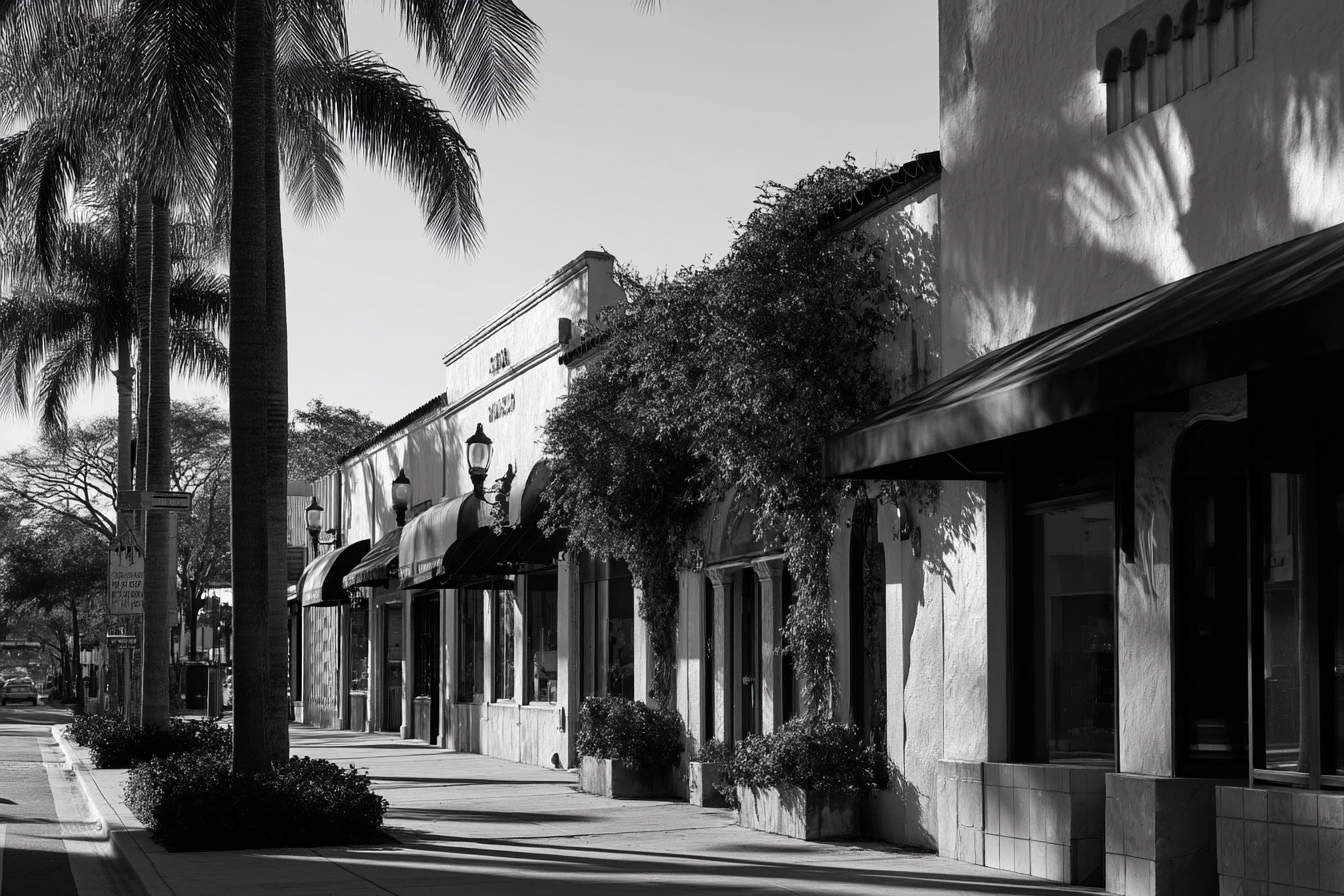
Worth Avenue rivals Rodeo Drive with Chanel, Hermès, and Gucci. Dine at Café Boulud, Renato's, and Buccan. Royal Poinciana Plaza offers additional boutiques.
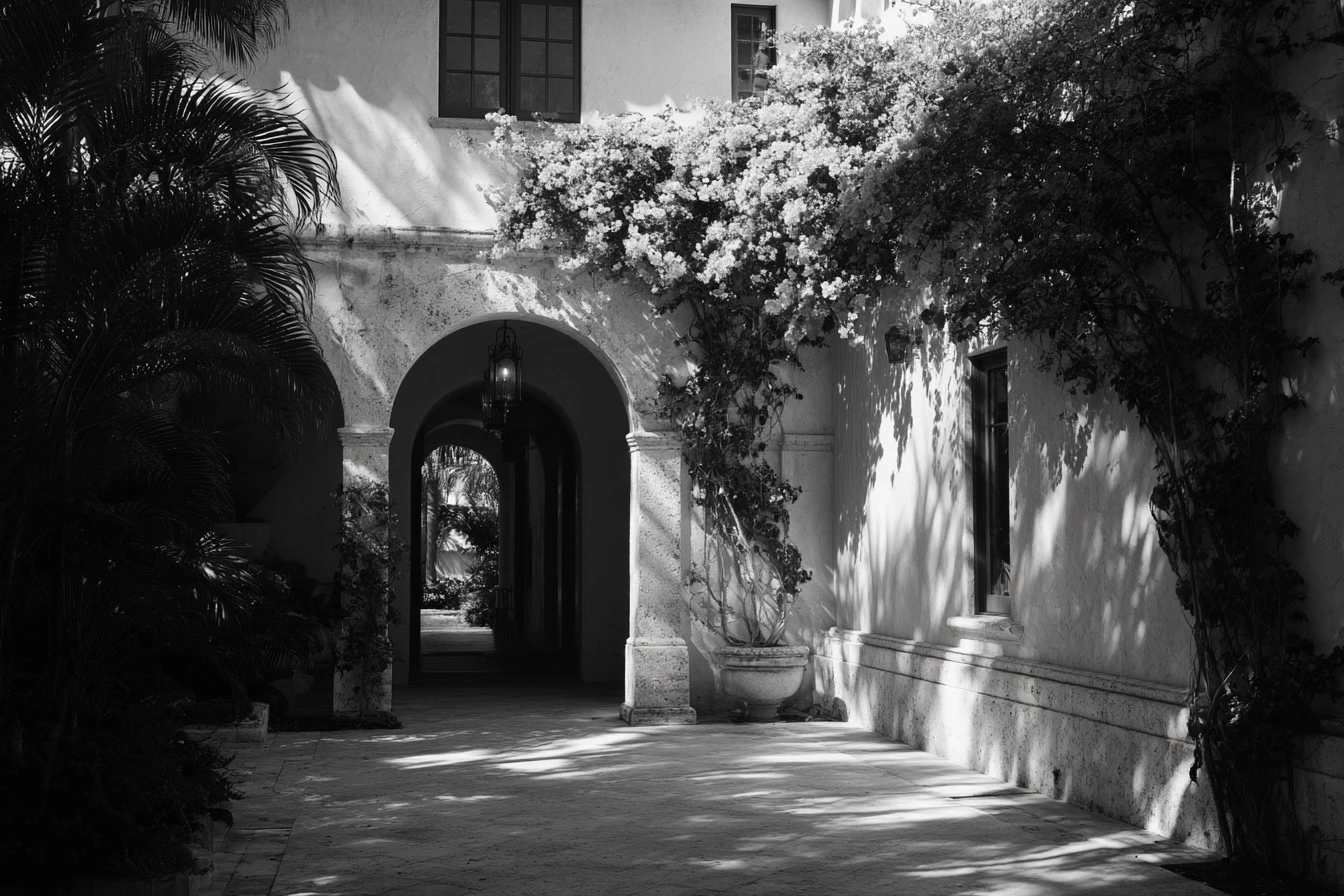
The Society of the Four Arts, Flagler Museum at Whitehall, and Norton Museum provide year-round programming. The Palm Beach Art and Antique Show draws collectors from around the world.
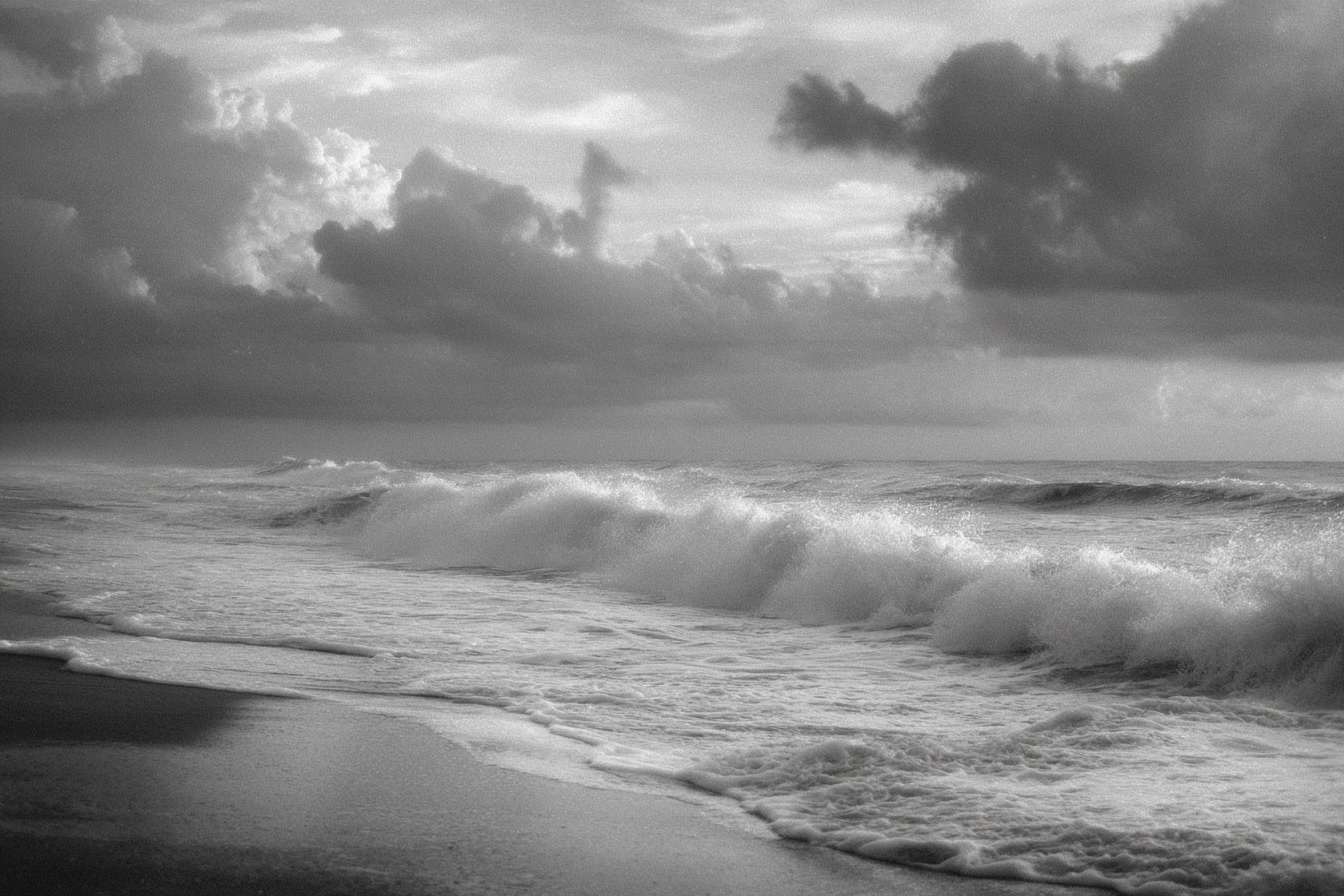
Pristine beaches, championship golf, boating via Lake Worth Inlet, tennis at private clubs, and the scenic Palm Beach Lake Trail for cycling and walking.
Common Questions
What buyers and relocating families need to know about Palm Beach real estate, taxes, insurance, and island life.
Single-family homes in Palm Beach range from approximately $3 million for smaller In-Town properties to over $150 million for oceanfront estates in the Estate Section, with a median single-family sale price around $18.5 million per BeachesMLS closed sales. At $3M to $5M, buyers find renovated three-bedroom In-Town homes within walking distance of Worth Avenue. Between $5M and $10M, four- to five-bedroom properties with pools become available in Midtown, the North End, and the South End. From $10M to $25M, the market includes larger homes with Intracoastal views, private docking, and 4,000 to 6,000 square feet. Above $30M, Estate Section compounds offer 8,000 to 20,000+ square feet on lots of one acre or more, with price per square foot reaching $4,000 to $5,000+.
Condominiums provide a lower entry point, ranging from $500,000 to $15M+ (see our condo FAQ below for a full tier breakdown by price). For current inventory across all price tiers, see our Palm Beach properties page and monthly market report.
Palm Beach Island divides into five distinct areas, each with its own character and price range. The Estate Section ($15M to $150M+) occupies the island’s center along South Ocean Boulevard and North Lake Way, featuring the largest lots and most prominent estates. The North End ($5M to $50M) offers maximum privacy on larger parcels with both ocean and Intracoastal frontage. In-Town ($3M to $25M) provides walkability to Worth Avenue, Royal Poinciana Plaza, and the island’s social core. Midtown ($2M to $15M) offers a mix of single-family homes and condominiums. The South End ($5M to $60M) features historic estates and direct ocean access near the southern tip.
Families with school-age children often prefer the North End or In-Town for proximity to Palm Beach Day Academy; buyers seeking the island’s dining and club scene gravitate toward In-Town; and those prioritizing privacy and lot size focus on the Estate Section or North End. Our neighborhood guide compares Palm Beach alongside other waterfront communities across Palm Beach County.
The Estate Section is Palm Beach’s most prestigious residential area, stretching along South Ocean Boulevard (oceanfront) and North Lake Way (lakefront) in the central portion of the island. Properties here range from $20M to over $150M based on closed transaction data, with lots typically one acre or larger. Homes feature 8,000 to 20,000+ square feet of living space, direct ocean or Intracoastal frontage, private docking on the lakefront side, and substantial grounds. Architecturally, the section is defined by estates from Addison Mizner, Maurice Fatio, Marion Sims Wyeth, and John Volk, many carrying landmark designations.
The Estate Section operates under the Town of Palm Beach Architectural Commission, which reviews all exterior modifications to maintain the area’s visual consistency. Buyers should expect the approval process for renovations or new construction to take six months or longer. Inventory is extremely limited: per BeachesMLS, typically fewer than 15 to 20 Estate Section homes are listed at any given time. Current oceanfront and waterfront listings are available on our property search pages.
Palm Beach condominiums range from roughly $500,000 for smaller units in older buildings to $15M+ for full-floor residences in newer oceanfront towers. Monthly maintenance fees typically run $1,500 to $8,000+ depending on the building’s age, amenities, and reserves. Entry-level buyers at $500K to $1.5M find one- to two-bedroom units in established buildings. Between $2M and $5M, the market includes updated two- to three-bedroom units with ocean or Intracoastal views. Above $5M, buyers access 2,500 to 4,000+ square foot residences in newer buildings with private elevator entry, direct ocean or Intracoastal views, and full-service amenities including valet, concierge, and resort-style pools.
Most Palm Beach condo and co-op buildings require board approval for purchases (see our FAQ on buying eligibility below for detail on the process). Post-Surfside legislation (SB 4-D and subsequent amendments) now requires milestone structural inspections and funded reserves for buildings three stories or taller that are 30 years old or older (25 years for buildings within three miles of the coast), which has increased assessments in some older buildings. Review our Palm Beach County condos page and new developments for current options including South Flagler House.
Palm Beach is a 16-mile barrier island town with approximately 8,800 year-round residents and a median single-family home price above $18M. West Palm Beach is the larger mainland city (population approximately 120,000) directly across the Intracoastal Waterway, with a median home price under $500,000. The two are connected by three bridges: Flagler Memorial, Royal Park, and Southern Boulevard. Palm Beach has no commercial district beyond Worth Avenue and Royal Poinciana Plaza; West Palm Beach offers the Clematis Street and Rosemary Square entertainment districts, an expanding restaurant scene, and a growing employment base.
Palm Beach offers its private club system, strict architectural standards, a dedicated town police force, and a seasonal social calendar. West Palm Beach provides urban walkability, proximity to employers, and significantly lower price points. Many families maintain connections on both sides of the bridge. Our neighborhood hub and property search cover communities across the county.
Single-family homes in Palm Beach can be purchased by any financially qualified buyer without membership requirements or residency restrictions. Condominiums and co-operative buildings are different: most require board approval, which involves comprehensive financial disclosure (typically full net worth and income documentation), personal and professional references, and one or more in-person interviews. Boards have broad discretion to approve or reject applicants, and the process typically takes 30 to 90 days. Some buildings restrict corporate or trust ownership, requiring individual purchasers.
Foreign buyers face no additional legal restrictions on purchasing Palm Beach real estate, though financing can be more complex; many lenders require larger down payments for non-U.S. residents. Cash purchases are common across all price tiers, with roughly 60% to 70% of transactions closing without mortgage financing per BeachesMLS data. A meaningful share of Palm Beach’s highest-value transactions close off-market, never appearing on MLS. Our team coordinates the full transaction process, including sourcing off-market and pre-market opportunities through long-standing island relationships, as well as board application preparation for condo and co-op purchases. For questions specific to your situation, contact our team directly.
Palm Beach property taxes are assessed by the Palm Beach County Property Appraiser at approximately 1.1% to 1.4% of assessed value for non-homesteaded properties. Florida has no state income tax and no state estate tax (federal estate tax still applies), which is a primary driver of high-net-worth relocation to the island. Homesteaded properties benefit from Florida’s Save Our Homes cap, which limits annual assessed value increases to the lower of 3% or the Consumer Price Index, creating significant tax savings over time. A $20M homesteaded property held for a decade could see an assessed value well below current market value, reducing the effective tax rate substantially.
New buyers should note that the property is reassessed to market value upon purchase, so the Save Our Homes benefit begins accruing only after the first year of homesteaded ownership. Filing for homestead exemption through the Palm Beach County Property Appraiser is essential and must be completed by March 1 of the year following purchase. Buyers should also budget for Florida’s documentary stamp tax of $0.70 per $100 of sale price (0.7%), which applies at closing. On a $20M purchase, that amounts to $140,000. Despite this transfer cost, Palm Beach’s combined tax structure (no state income tax, no state estate tax, homestead cap) typically produces a lower total holding cost than comparable properties in New York, California, or Connecticut.
Palm Beach single-family home values have more than doubled since 2019, per closed transaction data via BeachesMLS. The structural driver is supply: approximately 2,200 total residential parcels exist on the island with virtually no developable land remaining, while demand from high-net-worth relocations to Florida continues to build. The island’s limited inventory creates a floor under pricing: even during the 2008 to 2011 downturn, Palm Beach recovered faster than most luxury markets due to the same supply dynamics.
Current conditions show tight active inventory (typically 100 to 150 single-family listings at any time) and strong absorption, particularly in the $5M to $30M range. Buyers should factor in holding costs including property taxes, insurance (windstorm premiums are up 30% to 50% since 2022), and maintenance on older estate-quality homes. The strongest appreciation has historically occurred in waterfront and oceanfront properties, where replacement cost and scarcity create additional pricing support. These observations reflect general market trends and should not be construed as investment advice.
Most of Palm Beach Island falls within FEMA flood zones AE or VE, meaning flood insurance is required for any property with a federally backed mortgage. Annual flood insurance premiums under FEMA’s Risk Rating 2.0 program range from $3,000 to $15,000+ depending on elevation, construction type, and proximity to the ocean. Private flood insurance markets offer alternatives that may provide better rates for higher-value properties. Windstorm insurance, which covers hurricane damage, is a separate policy. For homes built after 2002 (when Florida adopted stricter building codes), annual premiums on a $5M to $20M property typically run $25,000 to $50,000 with wind mitigation features in place. Older construction without mitigation often runs $60,000 to $100,000+. Rates across both categories have increased 30% to 50% since 2022.
Palm Beach’s building code is among the most stringent in Florida, and newer construction (post-2002 Florida Building Code adoption) generally qualifies for lower insurance rates. Buyers should verify a property’s flood zone designation through the FEMA flood map portal and request a Coastal Construction Control Line (CCCL) determination for oceanfront properties, as the CCCL affects what can be built or modified seaward of the line. Our team coordinates with insurance specialists as part of every transaction to ensure buyers have accurate cost projections before closing. See our waterfront properties guide for additional diligence considerations.
Palm Beach is home to over 60 private clubs, more per capita than any other American community. The most prominent include The Everglades Club (founded 1918, the island’s most socially significant institution), Bath and Tennis Club (oceanfront, tennis and dining), Beach Club (intimate ocean access), Sailfish Club (yachting and fishing), and Palm Beach Country Club (golf). Golf options also include The Breakers Ocean Course and, just off-island, clubs profiled on our golf communities page. Initiation fees range from $50,000 to $500,000+ depending on the club and membership category (approximate, subject to change, verify directly with each club).
Membership at Palm Beach’s top clubs requires sponsorship by existing members, a formal application, interviews, and in many cases a waiting period of one to three years. For families relocating to the area, club membership often proves as important as the property purchase itself: it opens introductions across business and philanthropic circles that are otherwise difficult to access as a newcomer. Explore our private clubs hub for profiles of club communities across the county.
Palm Beach families have access to several established private schools on or near the island. Palm Beach Day Academy (pre-K through 9th grade) is the primary on-island school for many resident families. Rosarian Academy (pre-K through 8th grade), a Catholic independent school founded in 1925, sits just across the Flagler Bridge in West Palm Beach and draws a significant number of Palm Beach families. The Benjamin School (pre-K through 12th) in North Palm Beach offers a full college-preparatory curriculum. Oxbridge Academy in West Palm Beach provides a technology-focused high school experience. Many families use Palm Beach Day Academy through middle school before transitioning to East Coast boarding schools for high school.
Public schools fall under the School District of Palm Beach County, one of the largest districts in the country. Assigned public schools for Palm Beach Island addresses include Palm Beach Public Elementary and a handful of magnet and choice programs. In practice, the majority of Palm Beach families enroll children in private institutions. School zoning is a meaningful consideration for families evaluating properties across different Palm Beach County neighborhoods, as school assignments vary by address.
New ground-up construction in Palm Beach is extremely limited due to the island’s built-out geography and strict zoning and architectural review. Virtually no vacant residential lots remain. New supply comes primarily from tear-down and rebuild projects, where buyers purchase an existing home, demolish it, and rebuild. This process requires Architectural Commission approval and typically takes 18 to 24 months from demolition to occupancy. At any given time, only a handful of newly completed or under-construction single-family homes are available, generally priced at $15M to $50M+.
On the condominium side, South Flagler House represents one of the few recent new development projects on the island, offering full-floor residences on the Intracoastal Waterway. New condo development is similarly constrained by available land and zoning. Buyers seeking new construction at lower price points may also consider new developments in nearby communities like West Palm Beach, where multiple new luxury condo projects have delivered or are under construction. Our new construction page covers custom-build opportunities across the county.
Palm Beach real estate often moves through relationships rather than public listings. Our team surfaces off-market and pre-market properties through long-standing relationships on the island, and coordinates every step from initial search through closing.