An Island Spared
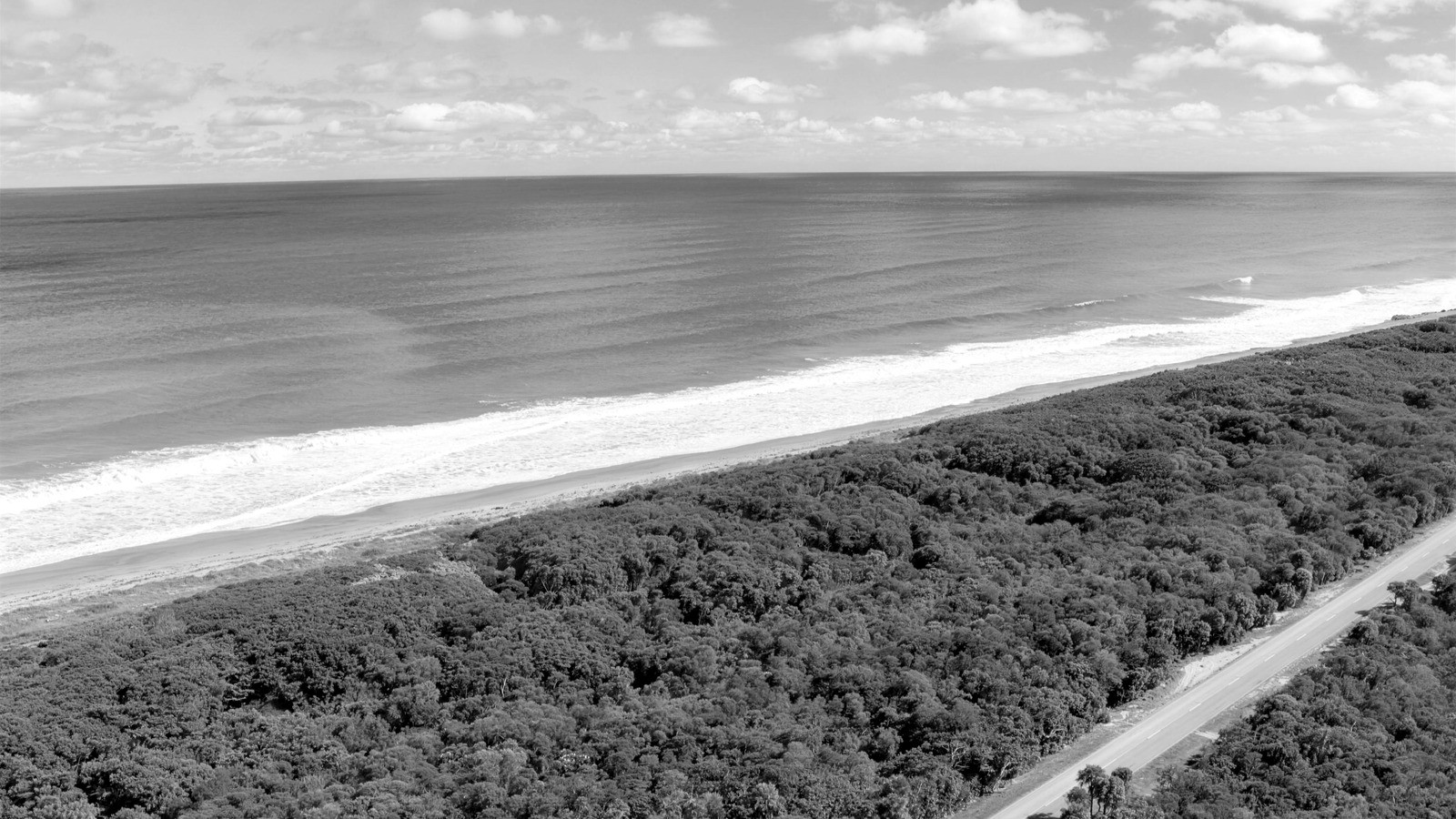
The island's story begins with a plan that never came to pass. In the 1920s, promoters platted Jupiter Island for the great Florida land boom, as they platted nearly every barrier island on this coast. The boom ended, the plan came to rest, and in 1933 a small partnership that included Joseph V. Reed acquired the island for a modest sum. What looked at the time like a quiet transaction proved to be one of the most consequential acts of foresight in the history of the Florida coast. Where others saw lots to be sold quickly, the Reeds saw a place worth keeping whole. By 1934 the family held the island through the Hobe Sound Company, and they began to shape it with a patience that developers of that era rarely showed.
A Community Designed for Quiet
The plats the family drew read, even now, like a quiet philosophy. Homesites were generous when the rest of Florida was selling fifty-foot lots. Land was offered gradually, to families who shared the Reeds' sense of the place, and no ground was set aside for commerce. Dozens of interior parcels were drawn with a deeded path to the ocean eight feet wide. Every family would live with the beach, whether or not they lived beside it. In 1944, with about 75 residents, Joseph and Permelia Reed established the Jupiter Island Club, which remains the community's gathering place. And in 1953 the residents incorporated their town, so that the island's character would rest permanently in the hands of the people who cherished it. Today's island reflects a design, held to with unusual constancy, whose first principle was restraint.
Sources: Town of Jupiter Island, The Nature Conservancy, U.S. Fish and Wildlife Service
Sources: Town of Jupiter Island, The Nature Conservancy, U.S. Fish and Wildlife Service
A Ninety-Year Commitment to Conservation
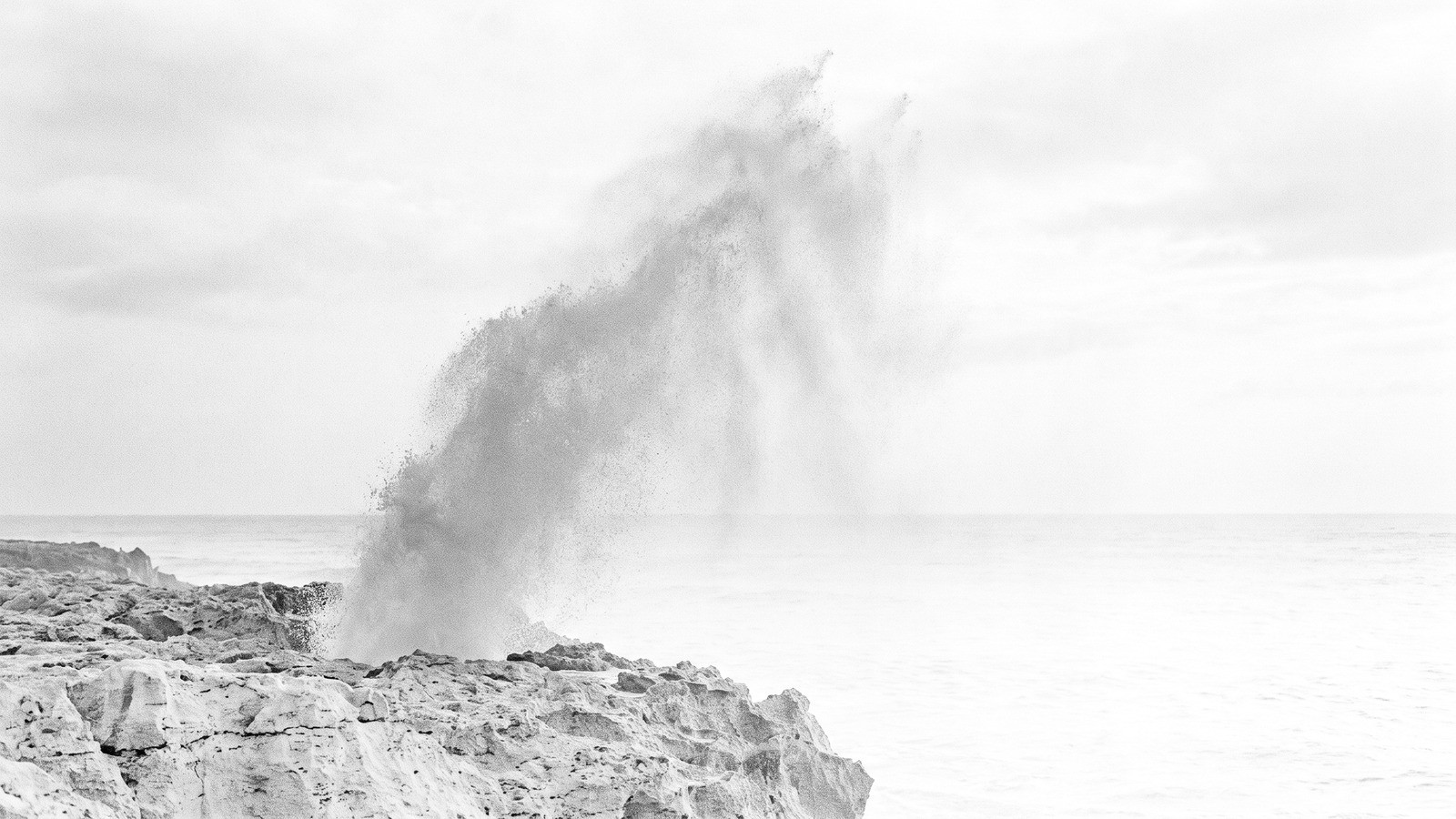
The family's most far-sighted acts were their gifts. In 1967 Joseph V. Reed set aside the island's undeveloped north end as the Reed Wilderness Seashore Sanctuary. Two years later those dunes anchored the new Hobe Sound National Wildlife Refuge. Miles of beach and coastal scrub were held for the public and for the wildlife that depends on them. The same year, island residents entrusted 73 oceanfront acres at the town's southern approach to The Nature Conservancy. That gift became Blowing Rocks Preserve, the largest exposed shelf of Anastasia limestone on Florida's east coast. There the tide breathes through the rock in white columns, and sea turtles nest each summer.
What distinguishes these acts is their permanence. The island's stewards did not merely refrain from building on the wild ends. They placed them in public and charitable trust, beyond the reach of any future change of heart. The dunes, the rock and the nesting beaches would outlast every generation of ownership, their own included. It is difficult to name another private community on this coast that gave away so much of its own shoreline, so early, so completely.
A Son of the Island
The island's ethic also traveled outward, carried by a son who grew up fishing its inlet and wading its flats. Nathaniel Reed, Joseph and Permelia's son, turned that childhood into one of the great American conservation careers. As Assistant Secretary of the Interior from 1971 to 1977 he helped write the Endangered Species Act of 1973 and advance the Clean Water Act. At home in Florida he helped found 1000 Friends of Florida and the Everglades Foundation, and he remained the Everglades' most devoted advocate for the rest of his life. In 2018, Congress renamed the refuge at the island's north end the Nathaniel P. Reed Hobe Sound National Wildlife Refuge, a fitting tribute to a lifetime of service. The island that taught a boy to love wild Florida saw his name placed, in honor, on the wildest stretch of its own shore.
What the Island Teaches
A barrier island is a living system. Its dunes hold the shore, its mangroves cradle the fishery, and its dark, quiet beaches invite the turtles back each year. Most of Florida learned the cost of forgetting this only after the seawalls went up. Jupiter Island never had to learn it, because its stewards understood from the beginning that the island's nature was the estate, and everything built upon it merely a guest. That understanding, sustained for ninety years, is why the island endures as it does, and it quietly explains the island's market as well. The supply of such a place is fixed by covenant and conscience alike. A home here, as the record book shows, conveys more than land. It conveys a share in one of the coast's great acts of stewardship, kept whole by the community that inherited it.
Bottom Line
Jupiter Island endures because a far-sighted family shaped it with restraint. The community incorporated its town in 1953 to protect that vision, and both ends of the island passed into conservation in the 1960s. The refuge and the preserve are permanent, and so is the quiet they guarantee.
For anyone drawn to the island: Understand what a home here truly conveys: a place in a ninety-year tradition of care. The island's history is its value, and both are secure.
Dates and events are drawn from the Town of Jupiter Island's published history, The Nature Conservancy's Blowing Rocks Preserve materials, the U.S. Fish and Wildlife Service, and published accounts of the Reed family's stewardship and Nathaniel Reed's public service. Historical figures are named in their public roles, with respect and gratitude.
Blowing Rocks Preserve and the refuge set their own visiting arrangements through The Nature Conservancy and the Fish and Wildlife Service. Check their sites before visiting.
Town of Jupiter Island, History.
The Nature Conservancy, Blowing Rocks Preserve.
U.S. Fish and Wildlife Service, Nathaniel P. Reed Hobe Sound National Wildlife Refuge.
National Geographic and Audubon, tributes to Nathaniel Reed, 2018.