The Name and the People Before
The island's recorded history opens with a storm. In September 1696 the barkentine Reformation, carrying a Quaker merchant named Jonathan Dickinson and his family toward Philadelphia, wrecked on Jupiter Island's shore. The survivors were held for several days by the Jobe, the people of this coast, before beginning a long march north to St. Augustine. Dickinson's journal of the ordeal became one of colonial America's most widely read books, and it fixed this stretch of coast in the written record.
The people did not survive the colonial era, but their name did, twice. Spanish accounts rendered it Jobe, pronounced roughly Hoe-bay, which lives on directly in Hobe Sound. English ears later heard the same word as Jove, and the island and its inlet took the Roman god's other name. Jupiter Island is, in the end, named for the people who met Dickinson on its beach.
A Century of Grand Plans
For its next two centuries the island was a canvas for other people's ambitions. Spain granted roughly 12,000 acres of this coast to Don Eusebio Gomez in 1815. Six years later he sold 8,000 of them at one dollar an acre, and speculators multiplied the price through the 1820s without building a thing. English investors arrived in the 1890s and planted pineapples until the great freeze of 1895 ended Florida's plantation dreams. William Angas built the little Island Inn in 1916. The Olympia Improvement Company platted resort subdivisions in 1923. And in 1925 came the grandest plan of all: Picture City, an east coast Hollywood of studios and celebrity estates, laid out on paper across the sound.
The land boom crashed in 1926 and took Picture City with it. The holdings passed through a bankruptcy, then through the Depression, and in 1933 they were liquidated for a fraction of their boom-era price. A century of schemes had come to nothing. The island was still mostly wild, still waiting, and about to be bought by people with no scheme at all.
Sources: Town of Jupiter Island official history, The Nature Conservancy, U.S. Fish and Wildlife Service, and Jonathan Dickinson's published journal
Sources: Town of Jupiter Island official history and the records above
The Different Vision
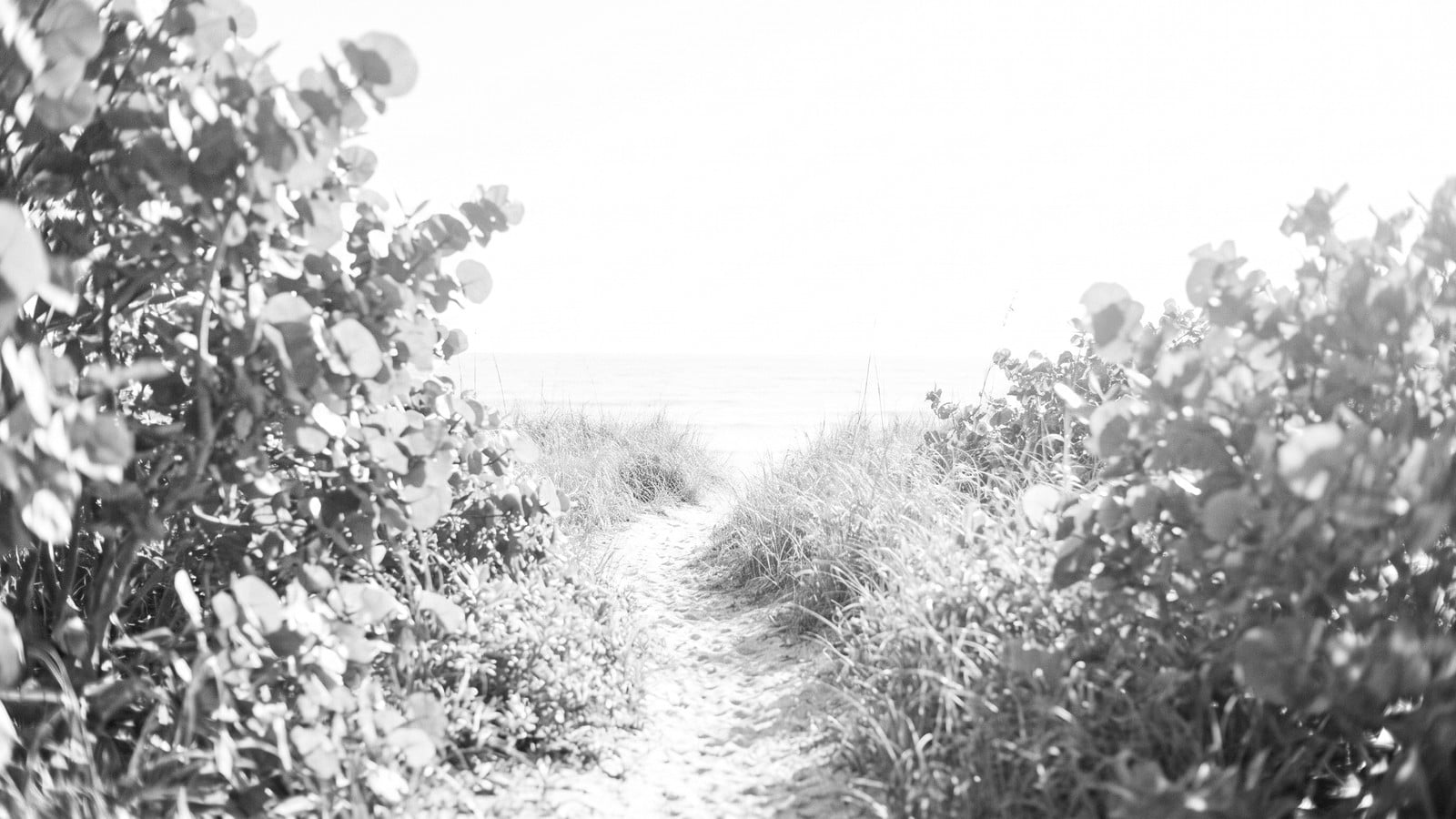
In 1933 four partners, among them a retired utilities executive named William Barstow and a young Joseph Verner Reed, formed a renewed Hobe Sound Company and acquired the island. A year later Reed bought his partners' shares, and one of the great acts of patience in American land history began. Where every earlier owner had drawn plans to fill the island, the Reeds drew plans to keep it. Homesites were generous. Land was offered gradually, to families who shared the family's sense of the place. No ground was zoned for commerce. Dozens of interior parcels were platted with a deeded path to the beach eight feet wide, so that every family would live with the ocean.
The community the plats implied duly arrived. In 1944, with about 75 residents, Joseph and Permelia Reed established the Jupiter Island Club, and the next year Reed donated the land for the police station and the firehouse. In 1953 the residents incorporated their town, placing the island's character permanently in its own hands. The family's company carried its stewardship until 1996, six decades of holding one idea steady. Nathaniel Reed would later title his history of the company A Different Vision, and no better name for it exists.
The Great Gifts
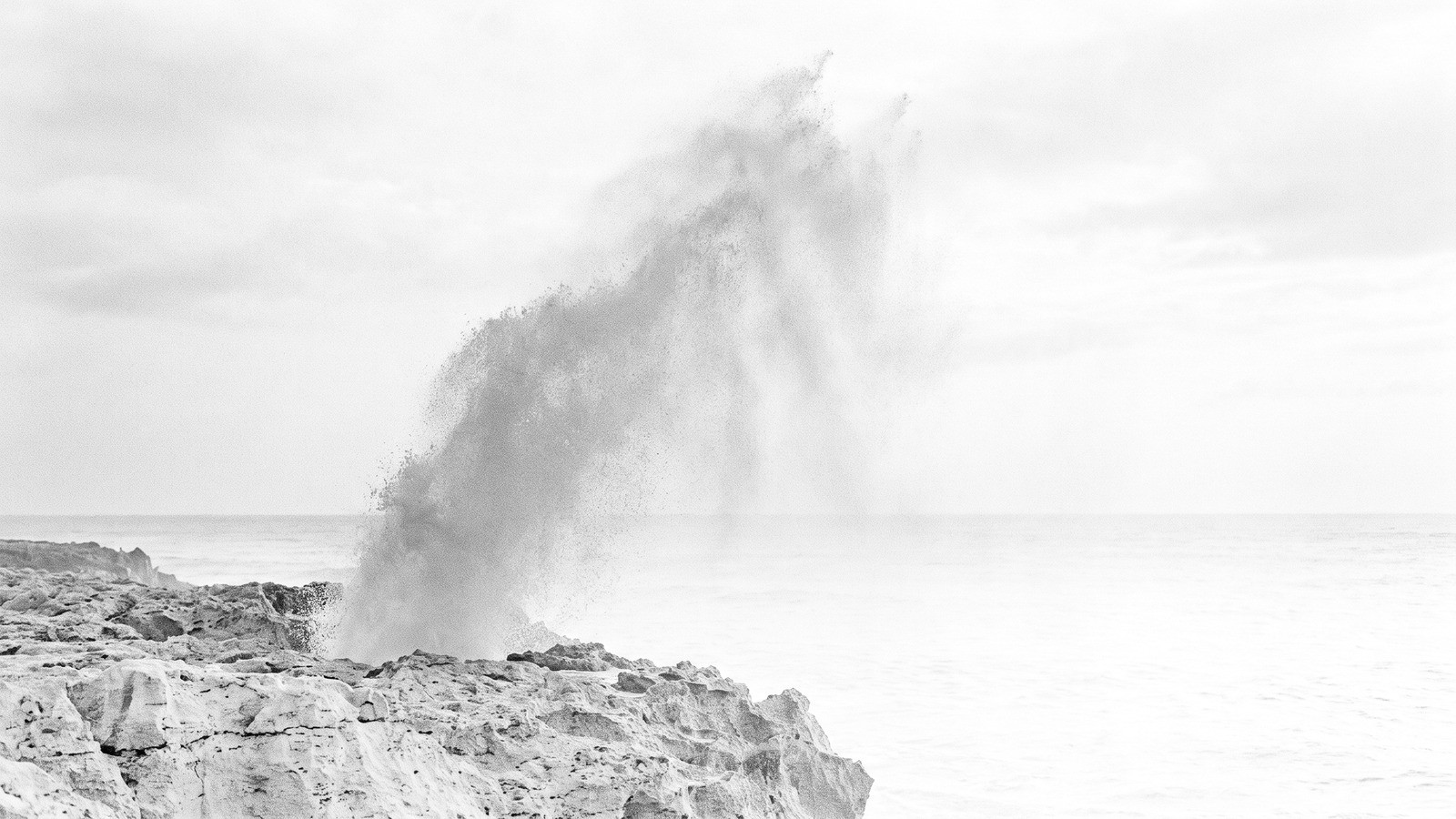
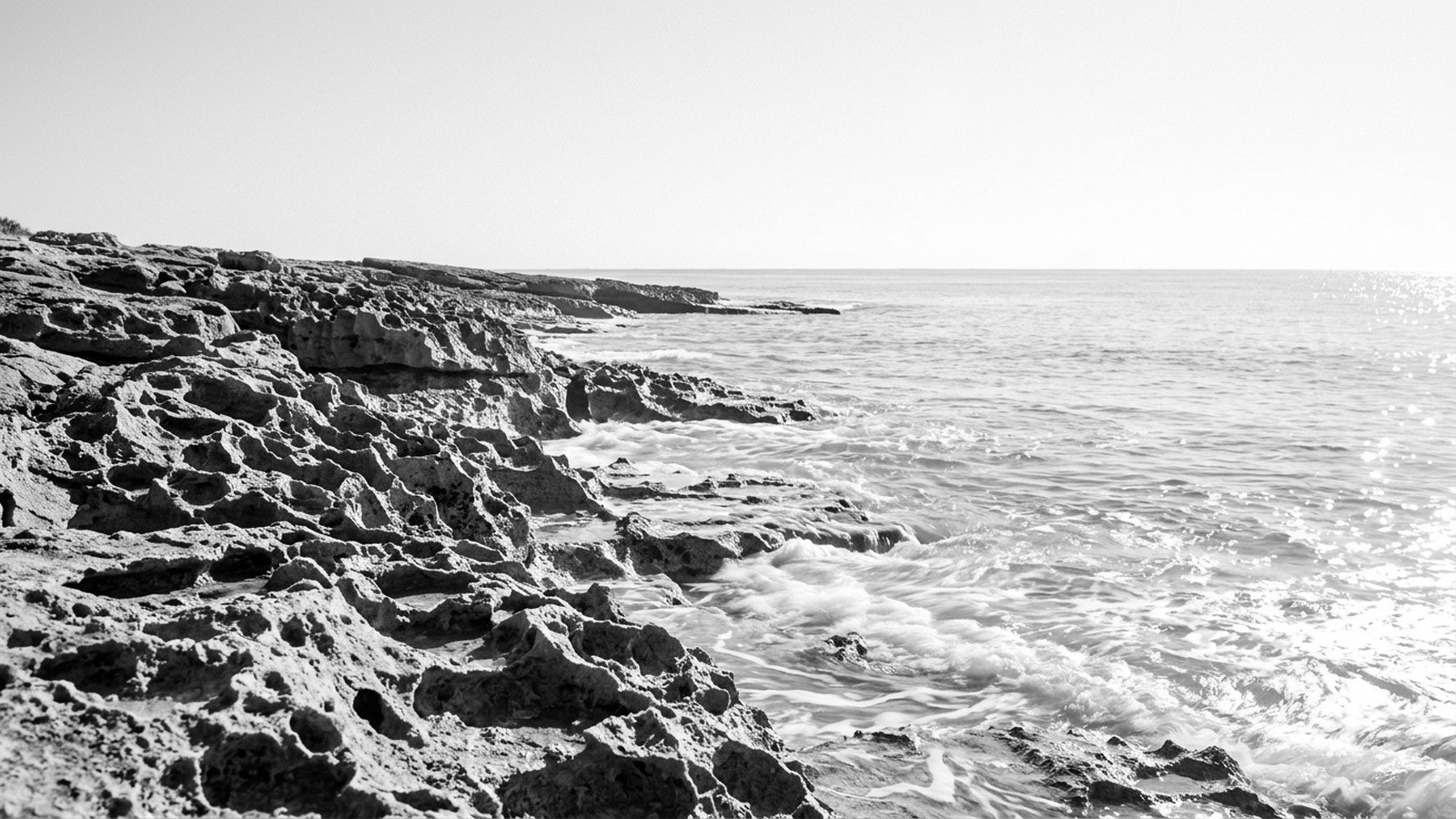
The island's most remarkable chapter is the one in which its owners gave its wildest land away. Joseph V. Reed set aside the undeveloped north end in 1967 as the Reed Wilderness Seashore Sanctuary. In 1969 those dunes anchored the new Hobe Sound National Wildlife Refuge, and a further 500 acres followed in 1976. The south end's turn came the same year the refuge began. When a proposal arrived to build densely above the rocks at the island's southern approach, residents bought the land instead and entrusted its 73 oceanfront acres to The Nature Conservancy. Blowing Rocks Preserve now protects the largest exposed shelf of Anastasia limestone on Florida's east coast, and its beach fills with turtle nests each summer.
The gifts were outright and in perpetuity, placed beyond the reach of any future generation's change of heart. Both ends of the island are now permanent wilderness, and the town between them is the only thing the island will ever hold.
The Conservationist the Island Raised
The island's ethic produced a national figure. Nathaniel Reed, Joseph and Permelia's son, grew up fishing the inlet and wading the flats, and he turned that childhood into one of America's great conservation careers. As Assistant Secretary of the Interior he helped write the Endangered Species Act of 1973. At home he fought for the Everglades for half a century. In 2018 Congress renamed the refuge at the island's north end in his honor. The wildest stretch of the island's own shore now carries the name of the boy it taught. He also wrote the company's history himself, and his title for the family project, A Different Vision, is the island's story in three words.
The Island the History Built
History explains this island better than any listing ever will. Three centuries of grand plans produced nothing durable, and one family's restraint produced everything. The generous parcels, the quiet, the beach paths, the protected ends and the self-governing town all trace to it. The island's conservation story is the heart of it, and its market is the consequence. A fixed supply of land, shaped by ninety years of restraint, repriced once the world understood it. The record book and our Jupiter Island page carry the numbers. The reason is in the history.
Bottom Line
Jupiter Island spent two centuries defeating grand plans, from a dollar-an-acre land trade to a paper Hollywood. The family that arrived in 1933 planned restraint instead, gave the wild ends away for good, and left a town whose history is the true source of its value.
For anyone drawn to the island: Learn the history before the listings. On Jupiter Island the past is the product.
Dates and events follow the Town of Jupiter Island's official history, with the conservation record verified against The Nature Conservancy and the U.S. Fish and Wildlife Service. The shipwreck account follows Jonathan Dickinson's published journal. Early land prices are as the town's history records them. The Hobe Sound Company's own story is told in Nathaniel P. Reed's book A Different Vision.
This essay describes historical events and public institutions. No living resident is named, and nothing here speaks for the town, the club or the preserves.
Town of Jupiter Island, official history.
The Nature Conservancy, Blowing Rocks Preserve.
U.S. Fish and Wildlife Service, Nathaniel P. Reed Hobe Sound National Wildlife Refuge.
Jonathan Dickinson's Journal, first published 1699.
Nathaniel P. Reed, A Different Vision: The History of the Hobe Sound Company and the Jupiter Island Club.