
What Delivery Changed
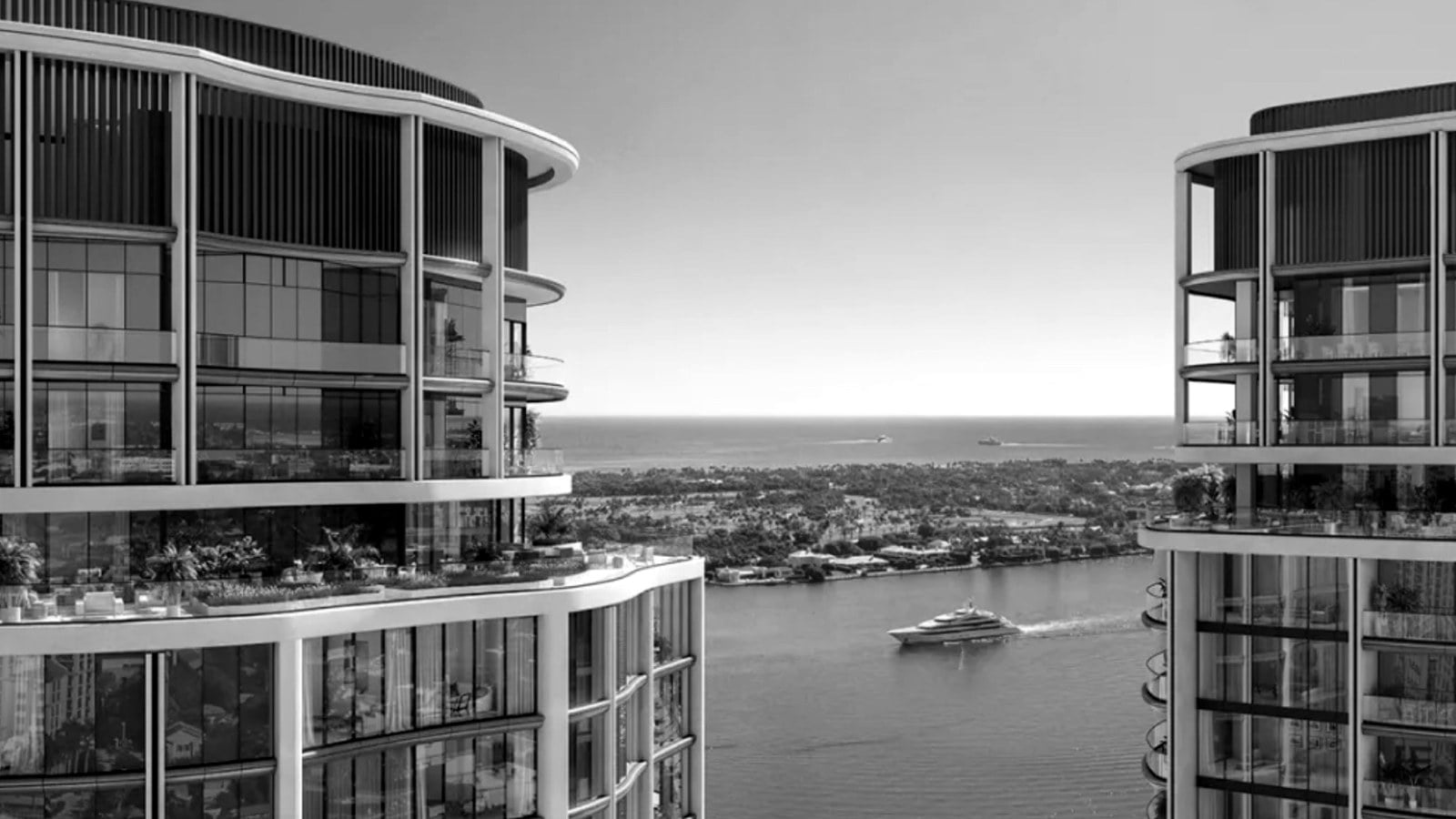
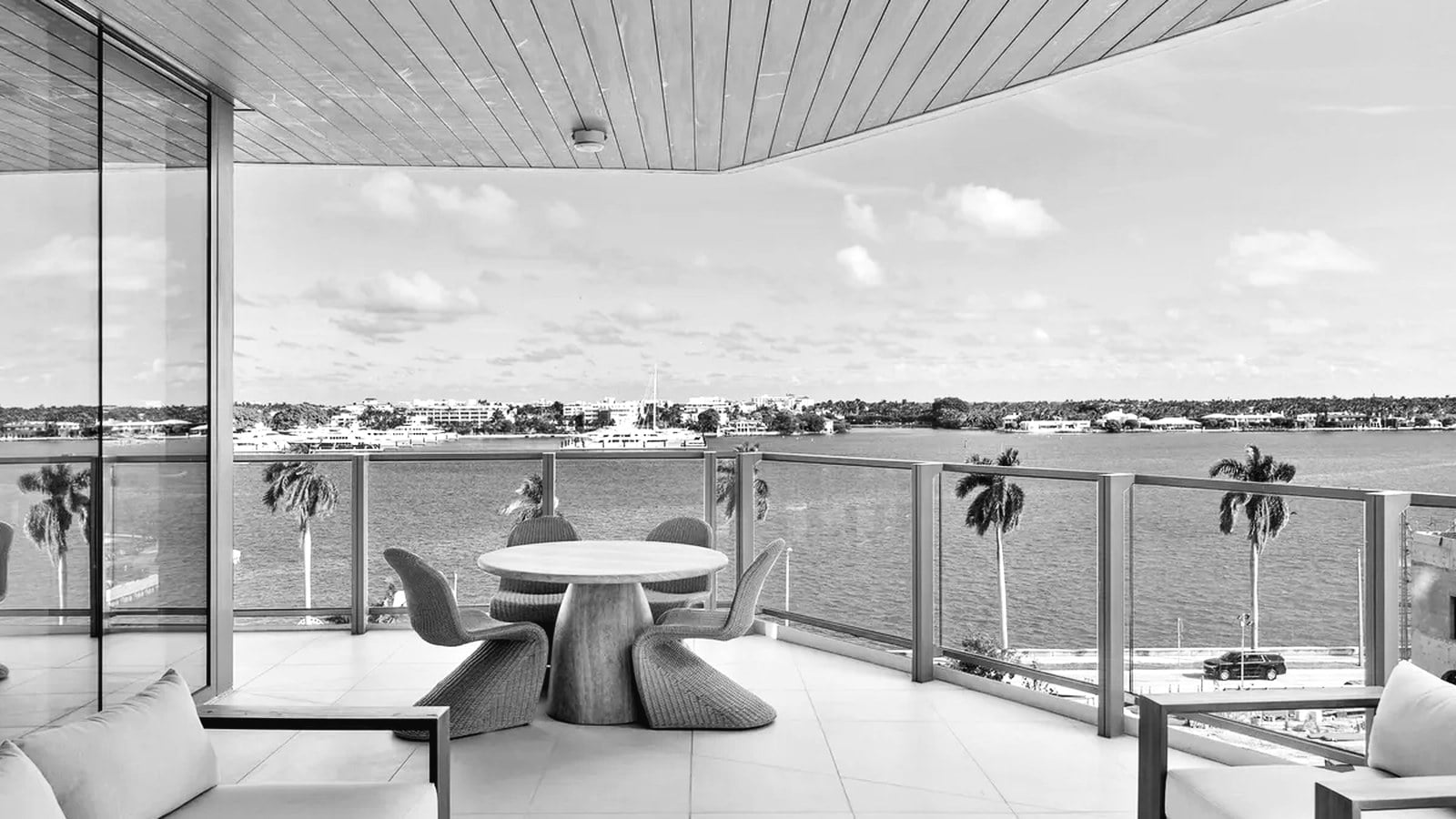
On the rest of the corridor, a buyer signs the developer's agreement, pays staged deposits into escrow, and waits for keys governed by an outside date. None of that applies at 1309 South Flagler Drive. The residence exists and can be inspected before signing. The price is negotiated between two private parties rather than set on a developer's sheet, the deposit and closing calendar are whatever the two sides agree, and delivery risk, the central worry of a preconstruction file, is simply gone.
What replaces it is condition and paperwork. A delivered building has an operating history, and the buyer's work is reading it. Our guide to buying at South Flagler House covers the preconstruction rails up the drive, and our sizing study of Forte covers the product itself. This piece covers the file between an offer and a closing here.
Florida's condominium framework and the building page's buyer guidance, September 2026. Your attorney confirms every term for your agreement.
The Window That Does Not Apply
New condominium buyers in Florida get fifteen days to cancel once they have signed and received the condominium documents. That window, under section 718.503 of the condominium statute, attaches to purchases from a developer. A resale does not carry it. The protections a resale buyer relies on are the ones written into the contract itself: the inspection period, the financing contingency and whatever document review terms are negotiated before signing. The diligence has to happen before the ink, because the statute will not reopen the deal afterward.
The association documents matter as much as they would in a preconstruction purchase. The difference is that they are now facts. Ask for the declaration of condominium and any amendments early, because rules can change once a developer turns the association over to its owners, and the version that binds you is the current one, not the one in the original offering.
Budgets, Reserves and the Estoppel
Start with the association budget, now an adopted document rather than a developer's projection. Read it beside the reserve study, ask specifically about recent or pending special assessments, and request the minutes of the last few board meetings, which show what the owners are actually debating. The building's own buyer guidance lists exactly this file, and it exists only because the building is delivered. A projection answers with estimates. A budget answers with history.
Before closing, obtain an estoppel letter from the association. The estoppel states the standing of the unit you are buying, whether dues are current, what assessments are outstanding and what is owed at transfer. It is the document that keeps a seller's arrears from becoming your first surprise as an owner.
The dues deserve arithmetic rather than a glance. Fees here are assessed per square foot and fund a heavy service layer: a 24 hour valet and doorman, concierge, building insurance, water, common area maintenance, reserves, the pool and fitness facilities, two house cars and two guest suites. With 41 homes, the per-unit share of fixed operating costs runs higher than in a building of 100 plus units. Ask for the current dues schedule and the most recent insurance renewal, and put both into the monthly number before you make an offer.
The building page's buyer guidance, September 2026. The association provides the file, and your attorney reads it with you.
The Board, the Declaration and the Clock
Most buildings of this type require association approval of a purchase, with an application, financial disclosure and an interview, and the building's guidance says to expect that here. Approval takes time, so build the timeline into the offer rather than discovering it in escrow.
Read the declaration for the rules that will govern your ownership. Rental policy is the one to confirm in writing, because lease minimums, caps on leases per year and board approval of tenants are set by the association and can be amended after developer turnover. Condition is the other. Original and renovated residences trade differently, so establish which you are looking at, and what the association permits by way of alterations, before you price a renovation into your plans.
Carrying Costs from the Closing Date
Dues, taxes and insurance apply from closing. Property tax deserves particular care, because a sale usually resets the county's assessment to the transaction price, so the first full bill can sit well above the seller's. A primary resident who files for homestead by March 1 takes up to $50,000 off assessed value, and Save Our Homes then caps annual assessment increases at 3 percent from the second year. A second home or an investment unit carries a 10 percent cap instead. Model year one at the full assessed value and treat anything better as a bonus. Florida levies no state income tax, which is often what funds the move in the first place.
The corridor context belongs in the same arithmetic. The pipeline census tracks the buildings still selling on a developer's calendar, and comparing their projected carrying costs against Forte's adopted numbers is one of the quieter advantages of buying delivered.
Bring Your Own Advisor
The gallery can tell you about the building. We tell you about the market around it. We know how each release has moved, what competing projects offer, and where the leverage sits. We arrange private presentations around your schedule, negotiate terms and incentives, and help you choose the right residence.
Building facts and the buyer guidance follow our Forte on Flagler building page as cached in September 2026, which draws on the developer's published materials. Florida's fifteen day rescission period for new condominium purchases comes from section 718.503 of the state's condominium statute and is described at a general level, and it applies to purchases from a developer rather than to resales. Association rules, fees, approval requirements and rental policies are set by the condominium association and can change, so the association's current documents govern. Property tax mechanics are described at a general level for Palm Beach County. Your attorney and tax advisor confirm every term, amount and date for your purchase.
This is buying-process guidance, not legal, tax or investment advice.
The Forte on Flagler building page on this site, September 2026.
Florida's published condominium framework, chapter 718.
Palm Beach Luxury: the Forte sizing study and the corridor's buying guides.