
Boutique Against the Big Builds: Glass House in Boca’s New Wave

New Developments

Boutique Against the Big Builds: Glass House in Boca’s New Wave

Nikko Karki
Nikko Karki July 28, 2026
Palm Beach County's condominium pipeline mostly builds big, and the logic is plain. Bigger buildings spread their costs across more owners and fill their brochures with more amenities. Glass House takes the other side of the argument in downtown Boca Raton with 28 homes, the smallest count on the pipeline we track. This piece weighs what the small position buys a resident, what it gives up, and how it reads beside the 75 resort residences across town.
Glass House
28
Homes behind the glass in the downtown core
At the Resort
75
The Residences at The Boca Raton, on the resort's own grounds
As Reported
From $2.7M
Glass House launch pricing, larger homes above $8M
As Reported
From $5M
The entry figure reported at the resort's residences

Boca's New Wave

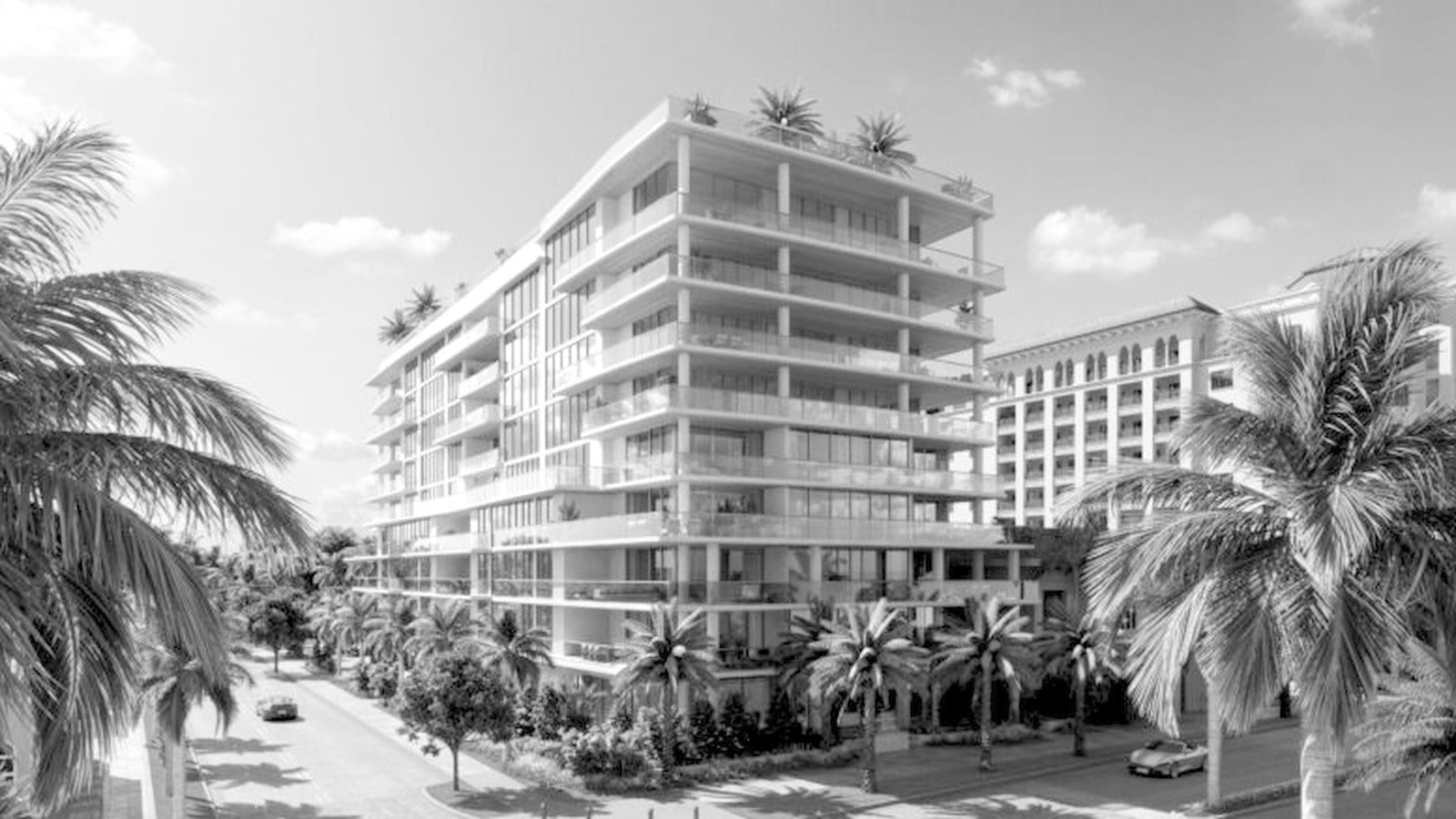
Boca Raton's downtown spent its last decade approving large buildings, and the current cycle keeps adding to the county pipeline. Against that backdrop, Glass House reads as a counterposition. The building holds 28 homes on nine stories at the middle of the downtown. Ground broke in April 2025, and $70 million of financing carries the build toward a late 2027 finish. Our full profile of the building covers the record. The question here is what the scale itself is worth.
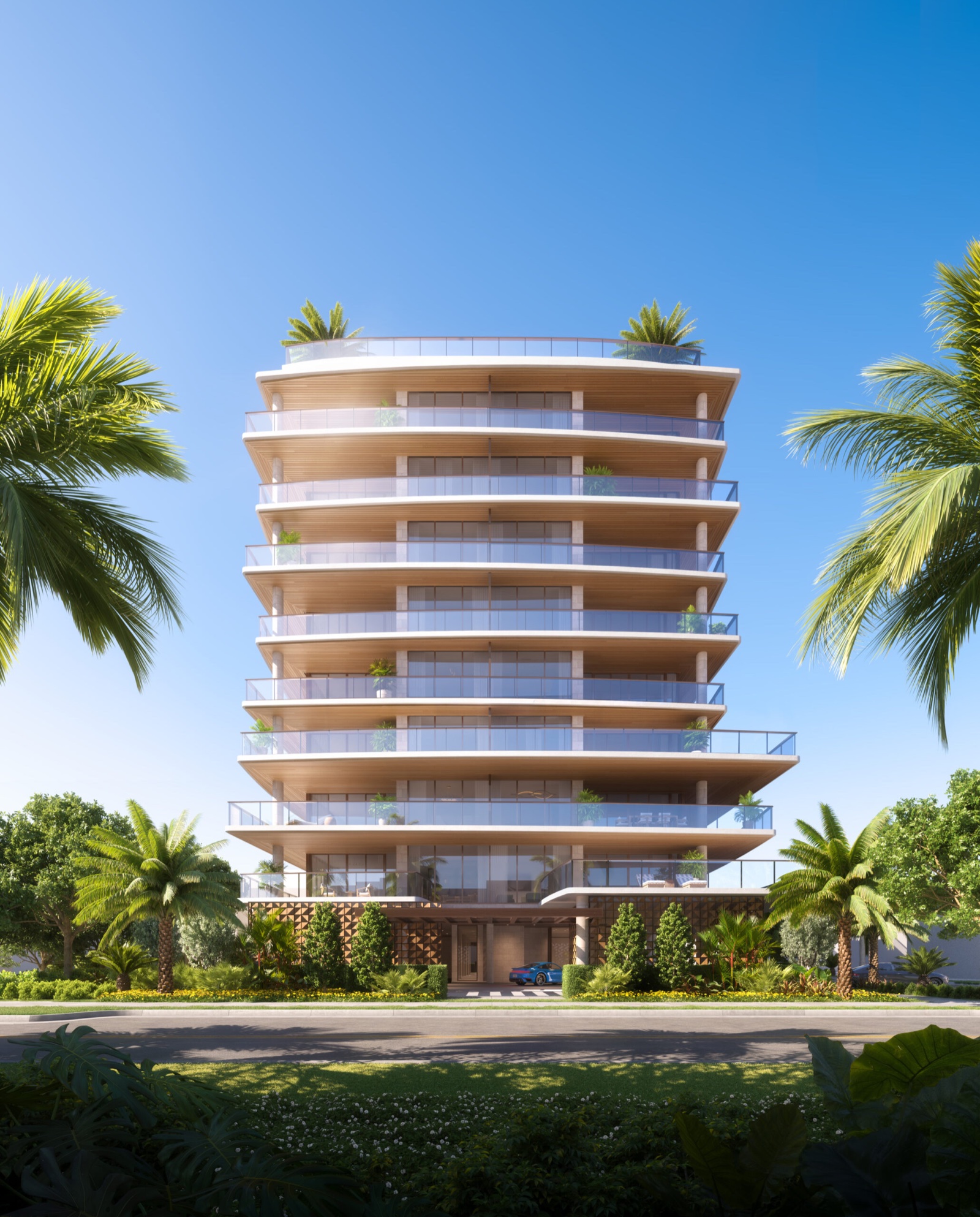
Glass House Boca Raton rendering
The rendered facade in a downtown that has spent a decade building much larger. Rendering: 280 E Palmetto Park Road LLC.

What a Count of 28 Buys

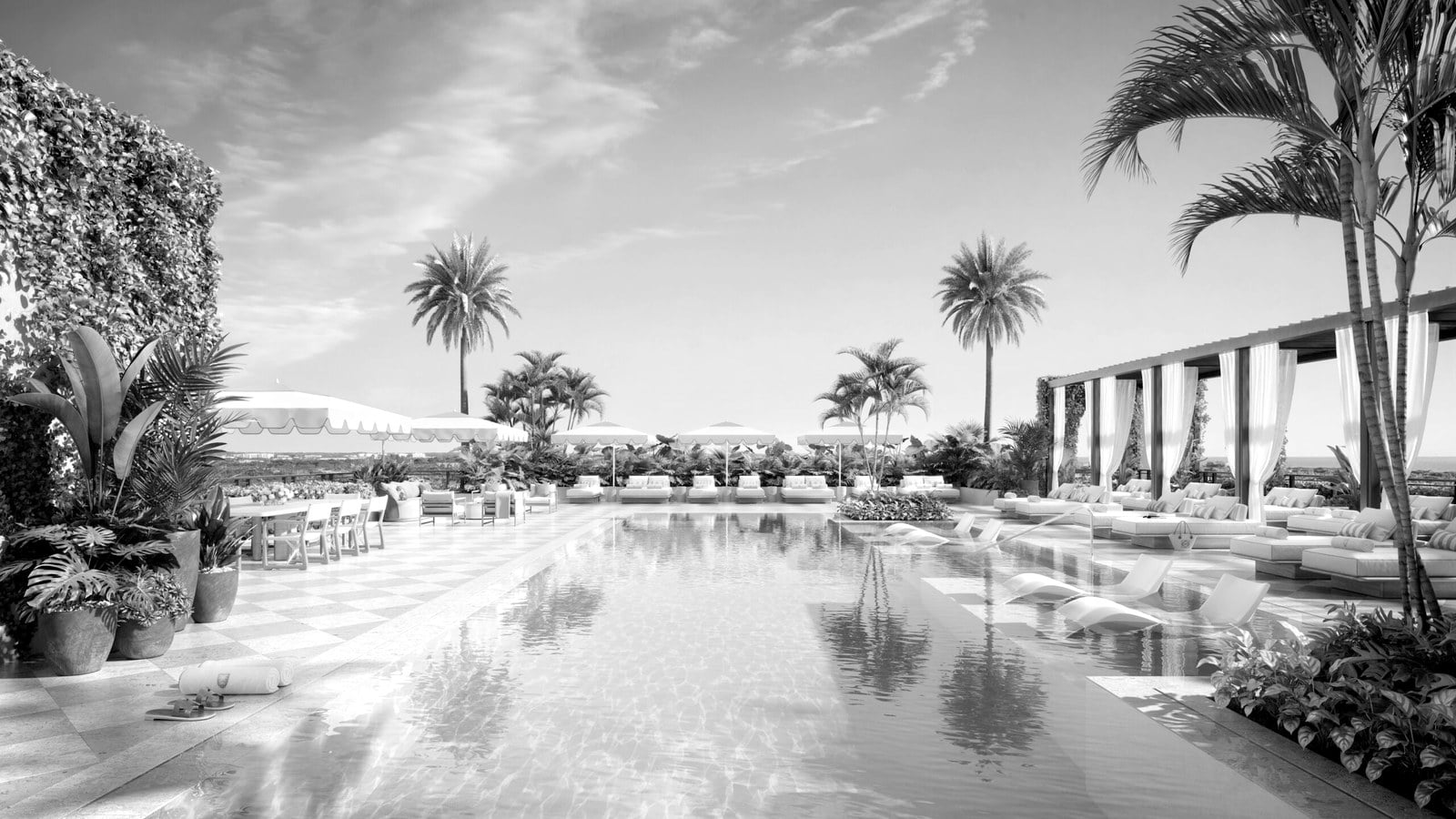
The purchase in a building this size is partly the home and partly the absence of everyone else. A resident shares the lobby, the elevator and the rooftop program with 27 other households. Layouts barely repeat, so a home here is close to unique by construction rather than by marketing claim. Every residence keeps two parking spaces, and the roof holds the pool, cabanas, outdoor kitchen and fire pit lounge for the whole book. Press reports place over a third of the building sold during construction, which suggests the position has found its audience.

What It Gives Up

The honest ledger has a debit side, and buyers should read it before the romance of the count settles the question. Resale supply in a 28 unit building will always be thin, because few owners can sell in any year even if they want to sell. Thin supply cuts both ways. It protects scarcity when demand holds, and it slows an exit when demand softens, since a single competing listing is real competition. Price discovery is also harder, as years can pass between sales of comparable homes. The amenity program is one rooftop, not the floors of club space the big builds carry, and the association's costs divide among 28 owners rather than hundreds.

The trade, line by line
General characteristics of boutique and large buildings, not any single budget
← Scroll to see all columns →
The questionIn a building of 28In the big builds
NeighborsTwenty-seven other householdsMany times that number
AmenitiesOne rooftop carries the programMultiple floors of club space and staff
The associationEvery cost divides 28 waysCosts spread across a large roll
Resale supplyRarely more than a line or two availableA steadier flow of listings in the building
Price discoveryYears can pass between comparable salesRecent closings usually exist as reference
PrivacyThe lobby stays quiet by arithmeticShared spaces carry more traffic

Source: structural traits of boutique and large buildings, stated both ways

The Resort Alternative

The cleanest comparison in town is The Residences at The Boca Raton, where BDT and MSD Partners are building 75 homes on 5.2 acres of the resort they own. The project sells infrastructure: hotel service, the golf course at the window and the beach club down the road, with reported pricing from $5M. Glass House sells the opposite quantity, a downtown address with almost nobody else in the building, from a reported $2.7M. Neither pitch is wrong. They price different instincts about luxury.

Two Answers to the Same Town
Downtown scarcity against resort infrastructure, per the developers' published materials as of July 2026.
Glass House
The Residences at The Boca Raton
The count
28 homes across nine stories downtown
75 homes across eight stories at the resort
The ground
280 E Palmetto Park Road, the downtown core
5.2 acres of the resort's grounds at 501 E Camino Real
The pitch
Scale and privacy as the product
The resort and its club as the product
Reported pricing
From $2.7M, larger homes above $8M
From $5M
Design
GarciaStromberg, Hallock Design Group interiors
Hart Howerton, Pembrooke & Ives interiors
What comes with it
Two parking spaces per home, a walk into downtown
Resort service, golf and the beach club attached

Sources: press coverage and the developers' published materials, July 2026. All pricing is reported, and neither figure implies a recorded sale.

Which Buyer Sorts Where

The sorting question is plain. A buyer who wants Boca Raton with a club, service staff and a full calendar has the resort's answer. A buyer who wants the downtown at the door and a private scale of ownership has Glass House's. Neither position comes free. The resort buyer shares the grounds with the resort's own traffic. The Glass House buyer accepts thin resale supply and an association of 28 that feels every budget line. The pipeline page holds the rest of the field, and both books remain reported rather than recorded until delivery.
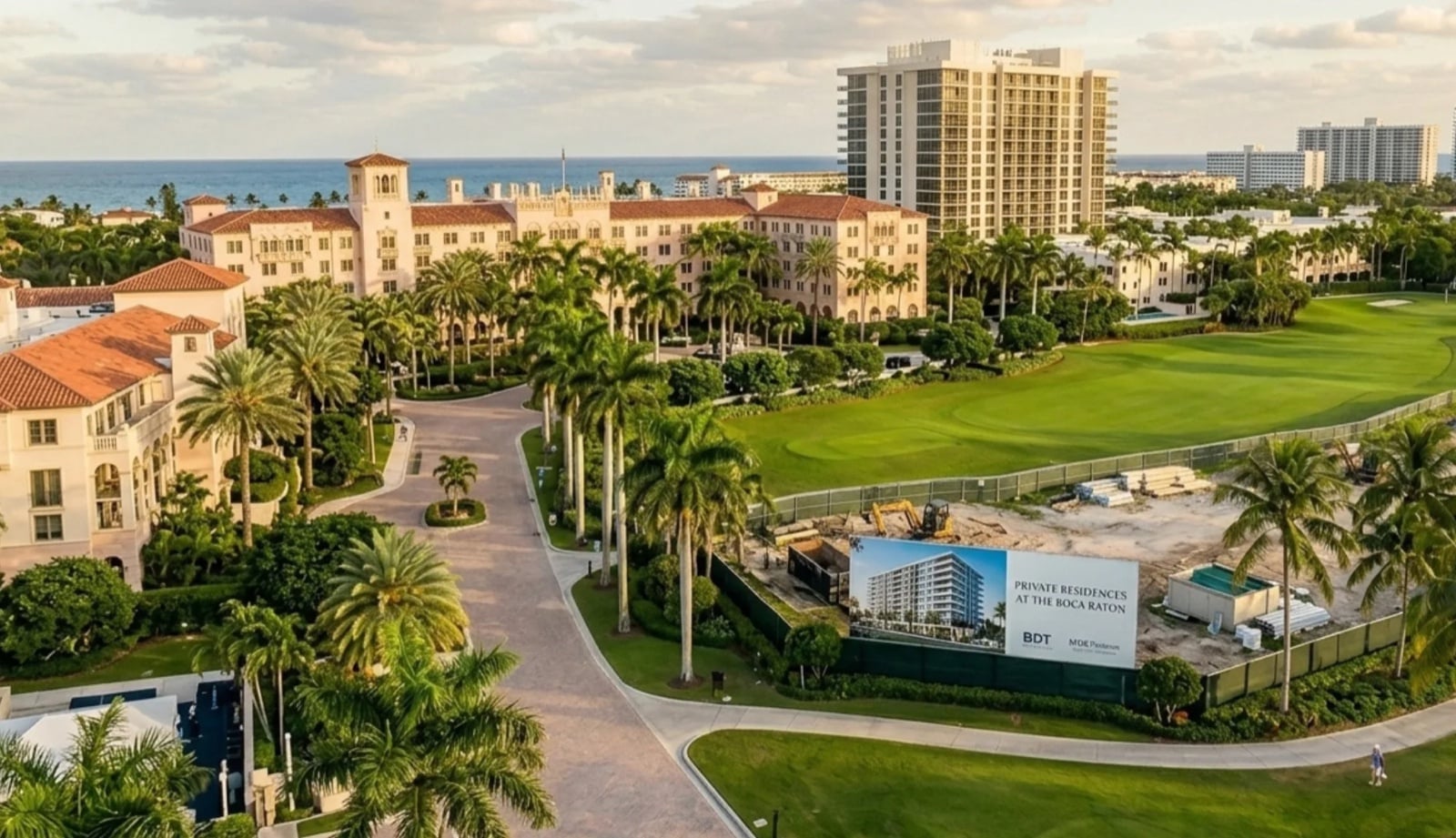
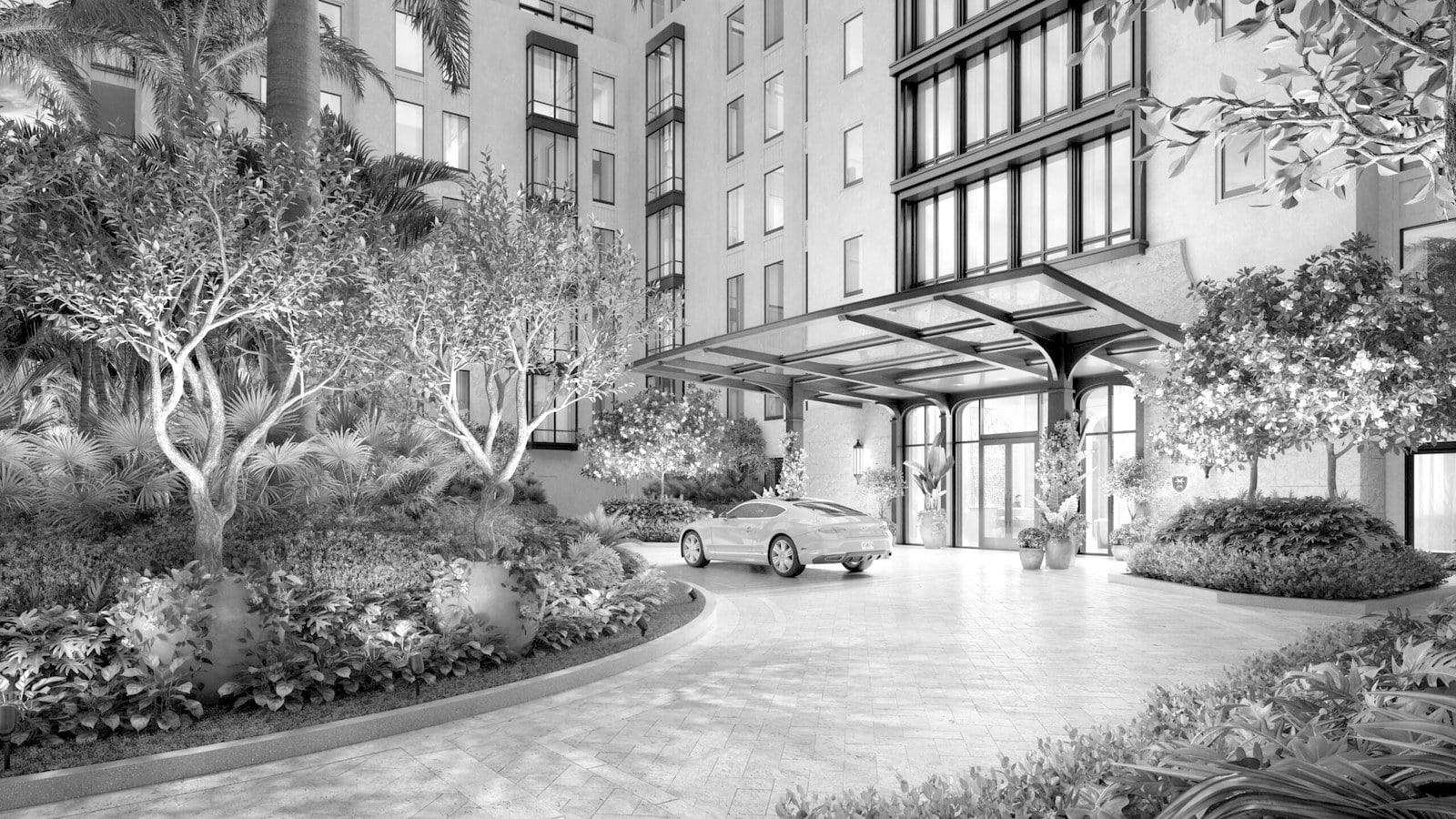
The Residences at The Boca Raton, resort grounds aerial
The Residences at The Boca Raton, the other current Boca Raton project, inside the resort grounds. Photograph: the developer's published materials.

Bottom Line

Glass House and the county's big builds sell different theories of luxury, and both can be right for different buyers. The 28 homes buy privacy, near unique lines and a downtown address from a reported $2.7M. They cost liquidity, since resale supply in a book this size stays thin, and they concentrate association costs on 28 owners. The big builds reverse every one of those terms. Choosing well means deciding which set of costs you would rather carry.

For a buyer weighing scale: Tell us which trade you lean toward and we will pull the current standing of both books, the reported pricing and what remains open. Seeing the two side by side usually settles the question quickly.

Glass House facts come from press coverage. The Real Deal covered the 2024 launch, and Florida YIMBY followed the build in 2025 and 2026. Connect CRE and Multi-Housing News reported the 2026 financing. Figures for The Residences at The Boca Raton follow the developer's launch coverage and our building page. Details for both projects follow the developers' published materials as of July 2026 and are subject to change. All pricing here is reported or asking, and neither figure implies a recorded sale. The trade table states broad characteristics of small and large buildings rather than either project's private figures. No official Glass House website had surfaced when this was written.

This is market analysis, not investment advice.

Project press from 2024 through 2026, led by The Real Deal and Florida YIMBY.

The developers' published materials for both buildings, via coverage and our building pages.

Palm Beach Luxury, the building profiles and the new development pipeline page.
Nikko Karki
Written by

Nikko Karki

Nikko Karki has worked in real estate for nearly two decades, beginning on the developer side at Related Group in West Palm Beach, then through private real estate investments and cross-border M&A across the U.S., Europe, and Southeast Asia. He holds an M.Sc. in economics from the Helsinki School of Economics. He built Palm Beach Luxury to make his analysis available to anyone in the market, for free.
About our team →
Frequently Asked Questions
The two sell different scales of the same town. Glass House holds 28 homes downtown with reported pricing from $2.7M, while the resort project holds 75 homes on 5.2 acres of The Boca Raton's grounds from a reported $5M. One sells privacy and the downtown, the other sells the resort and its club.
Neither is better by rule. Small buildings offer scarcity and near unique homes, but resale supply is thin and long stretches can pass between sales. Large buildings trade uniqueness for liquidity and steadier price references. The answer depends on your holding period and on how much the scale itself matters to you.
Among the projects we track, Glass House is the smallest, with 28 residences across nine stories in the downtown core. Its rooftop carries the amenity program, and the developer aims to finish late in 2027.
Palm Beach Luxury

Every article we write is built on the same research we use to advise our clients. If anything here sparked your interest, we'd welcome a conversation.

Start a Conversation