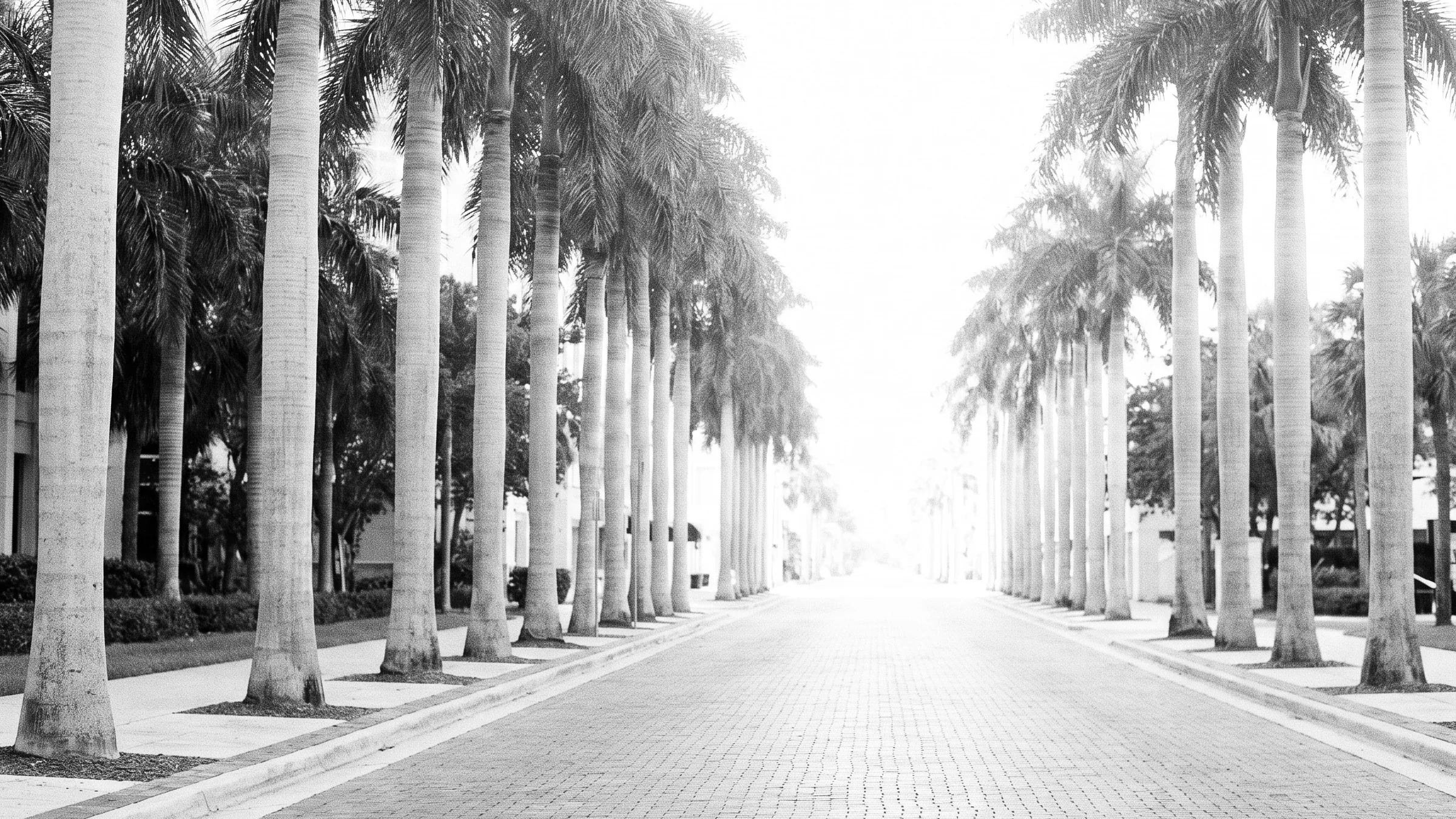
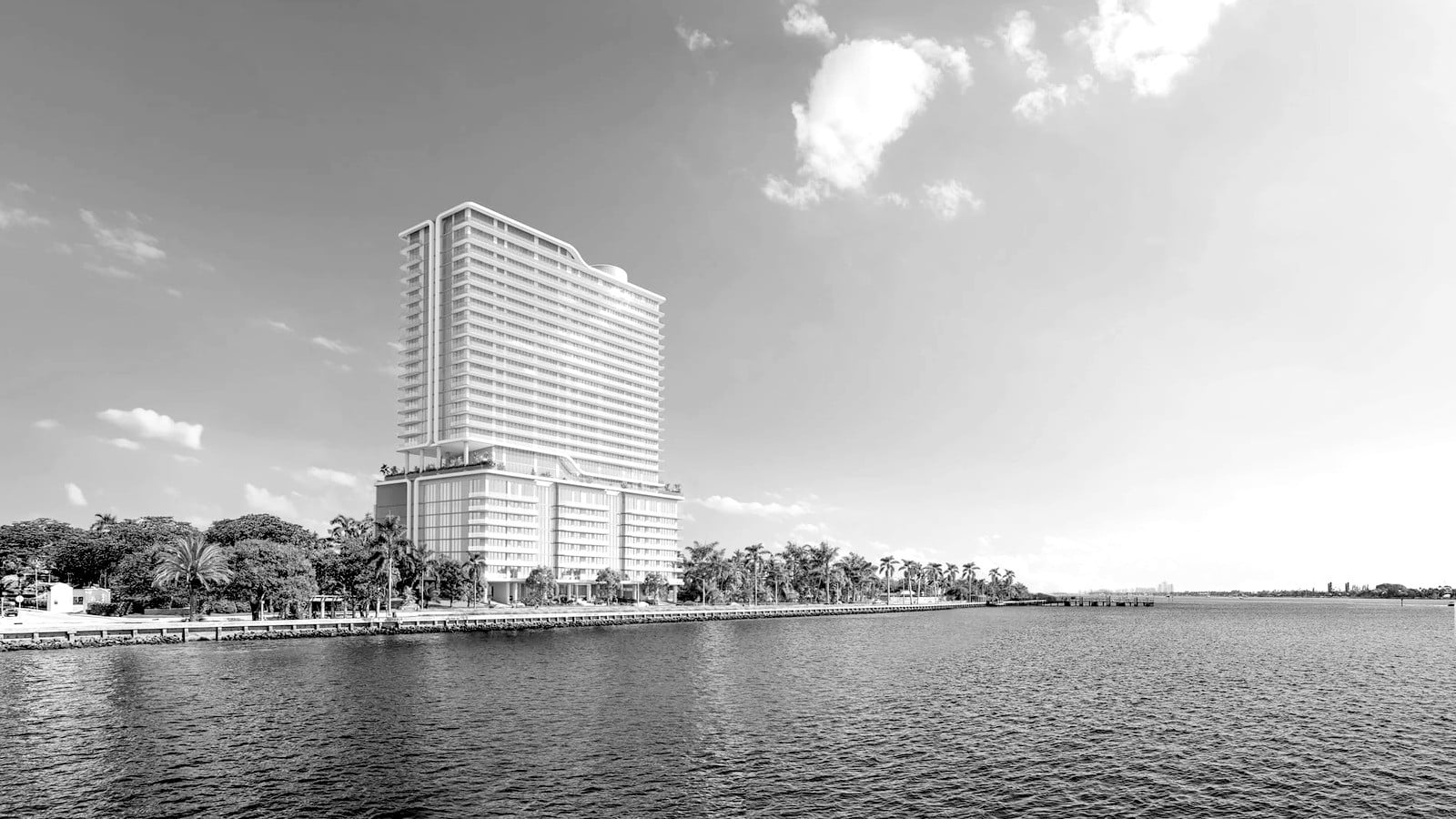
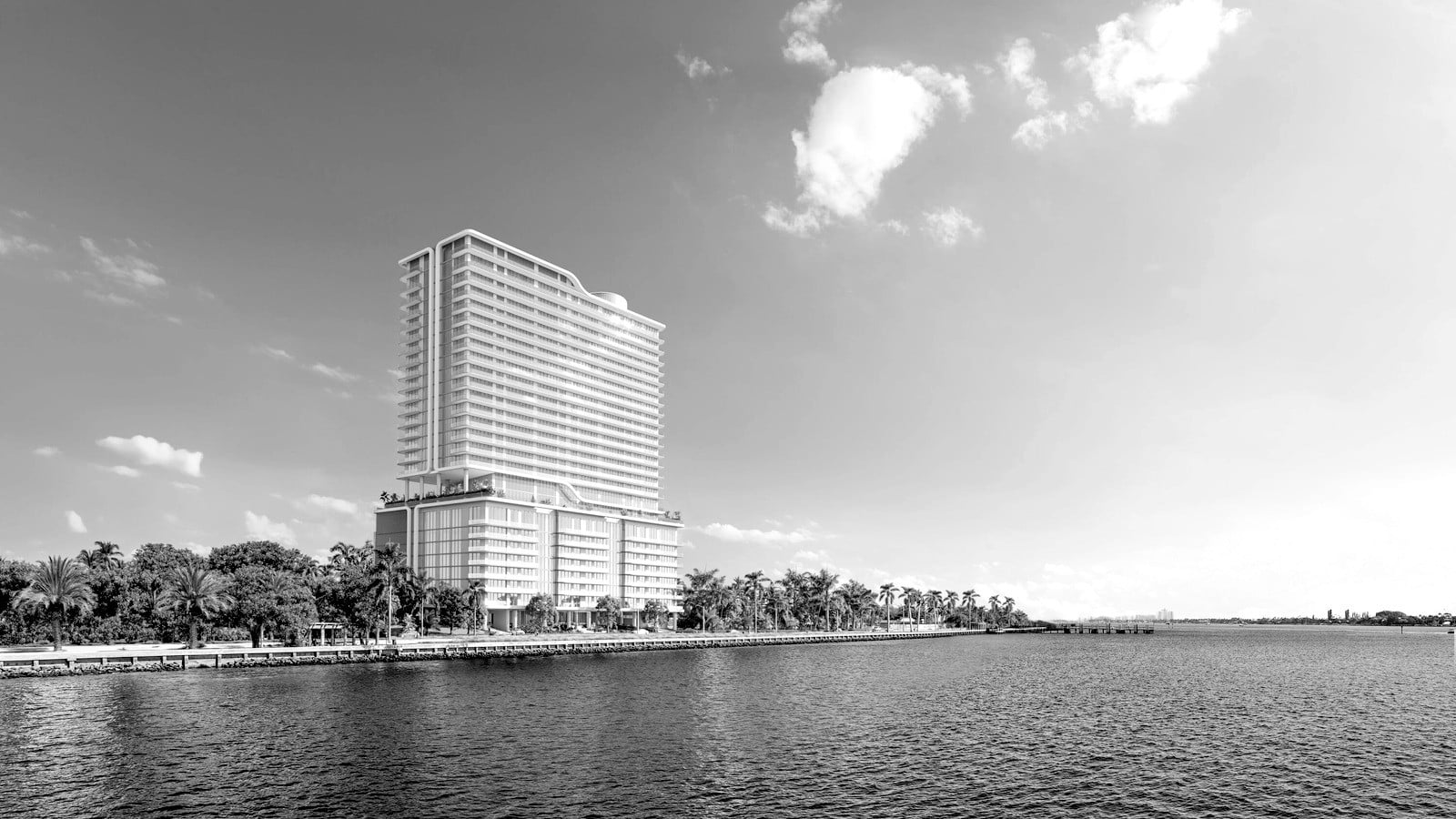
West Palm Beach was founded as the mainland city that served Palm Beach, and for a century it played that supporting role. In recent years it has stepped forward, as financial firms, new residents, and major development have converged on its downtown and waterfront. The city now offers something the island cannot, a walkable urban core with culture, dining, and transit, paired with direct views of the water and the island beyond.
The city’s luxury lives in two very different places. The first is its skyline, a growing set of full-service condominium towers along the Intracoastal with concierge services and open-water views. The second is its historic districts, where early-twentieth-century bungalows and Mediterranean homes sit on tree-lined streets near downtown. Together they let a buyer choose between vertical, service-rich living and the character of a restored mainland neighborhood.
This is a condominium-led and momentum-driven market, where value turns on the building, its position on the water, its services, and its governance, as much as on the residence. The city’s trajectory and the influx of new demand support the high end, while its historic districts trade on character and location. Understanding West Palm Beach means reading its towers building by building and knowing which historic streets hold value.